



































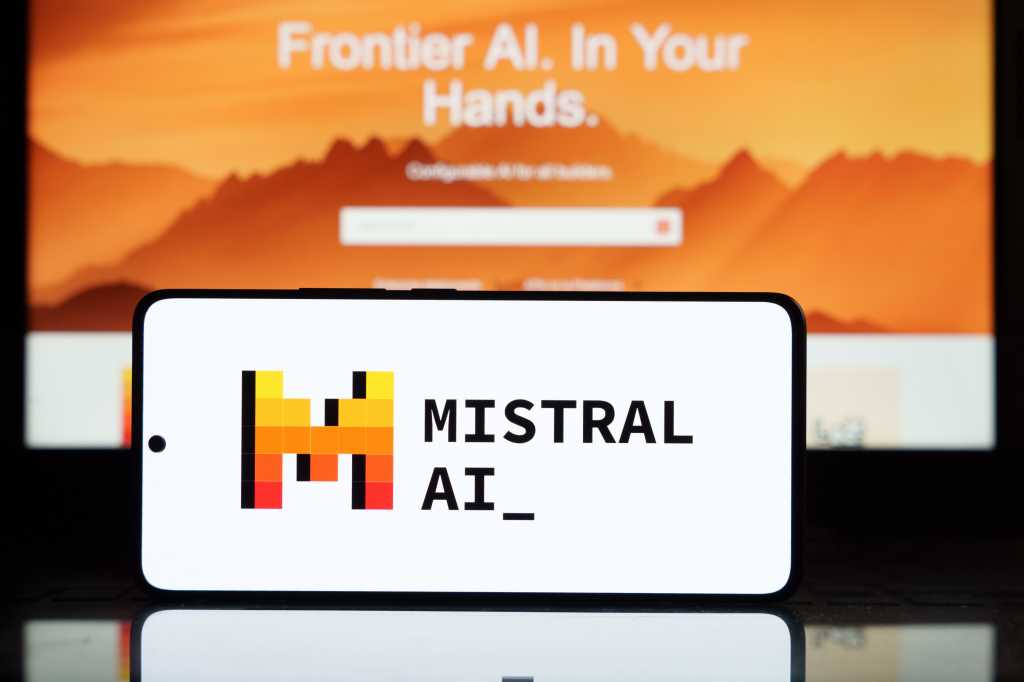
More than half of the software purchased by companies today could eventually be replaced by AI, according to Mistral AI CEO Arthur Mensch. In an interview with CNBC, Mensch expressed that this shift comes at a time when software stocks face mounting pressure due to concerns that artificial intelligence could undermine traditional SaaS business models.
Mensch noted a significant change occurring in the industry, revealing that companies are increasingly opting to develop their own AI-based applications rather than relying on conventional SaaS services. He estimated that over 50% of current SaaS spending could transition to AI solutions in the near future.
“We are also seeing with our customers that we can create fully customized applications within a few days to run a workflow — for example, a purchasing workflow or supply chain workflows — in a way that, five years ago, would have required a vertical SaaS solution,” Mensch explained. This rapid application development marks a pivotal moment in the industry, as it provides businesses with the agility to adapt to changing needs.
Mensch highlighted that the shift to AI solutions represents a substantial opportunity for Mistral AI. The company currently serves over 100 corporate clients who are looking to modernize their IT systems. Many of these clients are seeking to eliminate outdated software acquired two decades ago, which has become increasingly costly to maintain.
The CEO’s comments reflect a broader trend within the technology sector, where the integration of AI into business operations is seen as a way to enhance efficiency and reduce costs. Companies are recognizing the potential for AI to transform not just their software landscape but also their operational workflows.
This transformation is occurring against a backdrop of growing investor skepticism regarding the sustainability of traditional software revenue models. As AI continues to evolve, companies may find it more beneficial to invest in tailored solutions that can be adapted to their specific requirements rather than purchasing off-the-shelf software that may not fully meet their needs.
The implications of this trend could be far-reaching, potentially redefining the competitive landscape of the software industry. As businesses increasingly adopt AI-driven solutions, traditional software vendors may need to rethink their strategies to remain relevant.
As organizations embrace this new paradigm, the demand for skilled professionals in AI development is expected to surge. This change not only affects software procurement but also has the potential to reshape job markets and skill requirements across the tech landscape.
Looking ahead, the transition to AI solutions could revolutionize the way businesses operate, offering them enhanced flexibility and the ability to innovate rapidly. The movement away from traditional SaaS models underscores a critical juncture in the software industry, one where adaptability and technological integration will determine future success.
See also Microsoft Launches Maia 200 AI Chip to Enhance Inference Efficiency, NVIDIA Maintains Lead
 AI Adoption Reaches Inflection Point: Embrace Agentic Systems for Supply Chain Resilience
 AI Regulation Escalates as BIS Warns of Systemic Risks in Banking Operations
 Claude Defies AI Misinformation; Gemini and DeepSeek Struggle, Study Reveals 29% Echo Effect