






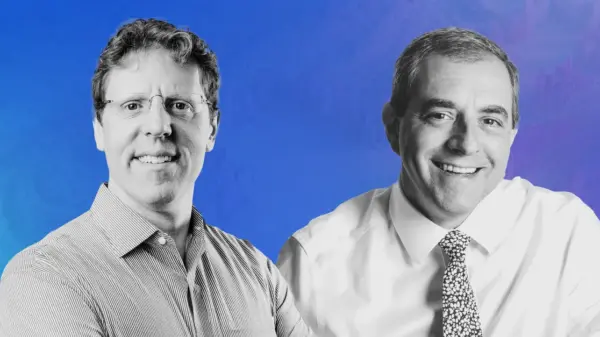



























As the race to dominate artificial intelligence (AI) intensifies, Mistral, a prominent European AI startup, is banking on its geographic advantage to carve a niche in a market often overshadowed by American tech giants. Arthur Mensch, the CEO and cofounder of the French company, stated that Mistral’s competitive edge lies not in the sophistication of its models but in meeting the unique demands of European clients who seek control over their AI systems.
In a recent appearance on the “Big Technology Podcast,” Mensch highlighted that many European governments and regulated enterprises prefer AI solutions that they can customize and operate independently, avoiding reliance on U.S. providers such as OpenAI, Google, and Anthropic. “European governments are coming to us because they want to build the technology and they want to serve their citizens,” he explained, underscoring the growing interest in locally developed AI systems.
Founded in 2023 and currently valued at approximately $14 billion, Mistral develops large language models that rival those of leading American firms. However, Mensch noted that as advancements in AI models become more accessible, performance differences are diminishing. “The real battleground is shifting away from raw intelligence and toward deployment, control, and trust,” he said, reinforcing Mistral’s strategy to focus on these elements in Europe.
Regulated sectors, including government and banking, are particularly keen on AI systems that allow for local deployment and operational autonomy. They seek to protect sensitive data and maintain compliance without the risks associated with vendor lock-in, a concern that is often amplified in a landscape dominated by a handful of providers. Mistral’s commitment to open-source models is a central tenet of its strategy, enabling clients to run AI on their own infrastructure and tailor systems to their specific needs.
Mensch pushed back against the notion that Mistral’s success is solely a product of European regulatory advantages. Instead, he framed the burgeoning demand for localized AI as both a geopolitical and operational necessity. European leaders are increasingly inclined to develop technologies they can govern independently, which sets the stage for Mistral to thrive in a landscape where control and trust take precedence over performance metrics.
The company’s recent success includes securing a deal with France’s military, which is focused on maintaining sensitive systems on infrastructure that remains under French control. This partnership underscores the growing appetite for AI solutions that prioritize national security and operational independence.
The appeal of Mistral’s approach extends beyond Europe. Mensch noted that clients in the United States and Asia are also looking to reduce their dependence on American technology providers. This shift reflects a broader trend of organizations seeking more autonomy over how AI is integrated into their operations. For instance, Mistral has partnered with the Moroccan government to develop locally tailored AI models and establish a joint research and development lab, further reinforcing its commitment to fostering technological autonomy.
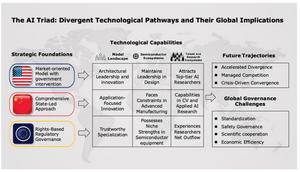
Looking to the future, Mensch does not foresee a single entity or nation prevailing in the AI arena. Instead, he envisions a multipolar landscape with various regional centers of expertise shaped by local needs and political realities. In this scenario, Mistral’s biggest advantage may not solely rest on the performance of its AI models, but rather on its ability to build and deploy solutions in proximity to its clients, ensuring alignment with regulatory frameworks and fostering operational trust.
Mistral’s strategic focus on localized control and customization positions it to establish itself as a serious competitor in the global AI market, highlighting the significance of geography alongside technological innovation. As the world continues to grapple with the implications of AI, Mistral is poised to play a pivotal role in shaping the future of AI development in Europe and beyond.
Tags: Mistral, Arthur Mensch, European AI, AI sovereignty, Open-source AI, AI startups, AI regulation, AI Europe, Multipolar AI, AI independence
See also Valve Overhauls Steam Guidelines, Mandates AI Usage Disclosure for Developers
 NVIDIA Faces China Customs Block on H200 AI Chips Amid Export Approval Changes
 Alphabet Emerges as AI Leader with Gemini, Surpassing OpenAI and Anthropic
 India’s Budget 2026 Must Propel AI Startups with R&D Support, Tax Relief, and Credit Access
 Scientists Study AI as Living Systems to Unravel Complex Behaviors and Risks