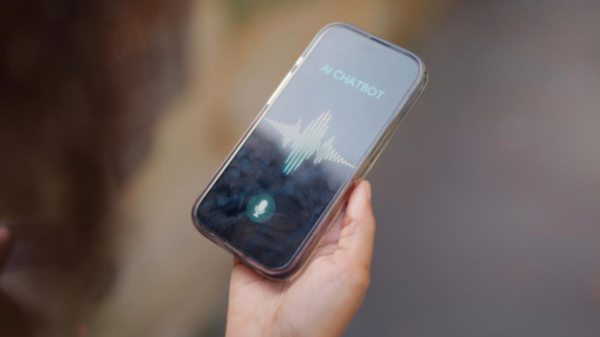













































French AI company Mistral has launched an open-source text-to-speech (TTS) model named Voxtral TTS, as reported by TechCrunch on March 26. This innovative model aims to enhance voice AI solutions for applications such as customer support and virtual assistants, positioning itself in competition with established players like ElevenLabs, Deepgram, and OpenAI.
Voxtral TTS is designed to support nine languages, including English, French, German, Spanish, Dutch, Portuguese, Italian, Hindi, and Arabic. According to Pierre Stock, vice president at Mistral AI, the company responded to customer demand for a compact voice model capable of operating on edge devices such as smartwatches, smartphones, and laptops. He emphasized that this new model delivers cutting-edge performance while also reducing costs compared to existing alternatives.
This latest TTS offering sets itself apart by its ability to create custom voices from samples of less than five seconds. It adeptly captures subtle nuances in intonation, stress, and pronunciation. The model’s versatility also extends to applications in dubbing and real-time translation, maintaining the unique voice characteristics across different languages. Mistral’s goal, as stated by Stock, is to create a more human-like voice, steering away from the robotic tones often associated with TTS technology.
The development of Voxtral TTS reflects a broader trend within the AI industry, where companies are increasingly focusing on refining voice technology to enhance user experience. As organizations continue to seek solutions that provide more engaging and interactive customer interactions, the competition in the TTS space is likely to intensify. Mistral’s entry into this market may well push other companies to innovate further in order to retain their competitive edge.
In a landscape that continually demands more personalized and intuitive technology, the implications of Mistral’s advancements could be significant. The ability to deliver high-quality, adaptable voice solutions not only caters to consumer preferences but also aligns with the growing emphasis on AI-driven tools in various sectors, from entertainment to customer service. As the market evolves, it will be essential for Mistral and its competitors to navigate challenges related to ethical AI use and data privacy, ensuring that advancements in voice technology remain responsible and beneficial for users.
See also Germany”s National Team Prepares for World Cup Qualifiers with Disco Atmosphere
 95% of AI Projects Fail in Companies According to MIT
 AI in Food & Beverages Market to Surge from $11.08B to $263.80B by 2032
 Satya Nadella Supports OpenAI’s $100B Revenue Goal, Highlights AI Funding Needs
 Wall Street Recovers from Early Loss as Nvidia Surges 1.8% Amid Market Volatility