














































In 2025, social media feeds overflow with low-quality, AI-generated content, prompting Merriam-Webster to name “slop” as its Word of the Year. Defined as “digital content of low quality that is produced usually in quantity by means of artificial intelligence,” the term reflects a growing concern over the vast amounts of misleading and inferior digital material that flood online platforms. This designation highlights a significant shift in the digital landscape, where tools like OpenAI’s Sora, a text-to-video generator, enable the rapid production of realistic-looking videos at minimal cost.
The proliferation of such content marks a new era for digital expression, characterized by a prevalence of hyper-saturated ads and bizarre videos that seem to blend together in a never-ending scroll. While low-quality online content has existed for years, the influx of generative AI has drastically increased its scale, forcing platforms to prioritize rapid engagement over quality. As a consequence, users find themselves navigating a torrent of material designed for quick consumption rather than thoughtful reflection.
This digital chaos has not only affected social media but has also sparked intense debate within the art world. In early 2025, the prestigious auction house Christie’s held its first major sale dedicated to AI art, titled “Augmented Intelligence.” The sale, which garnered hundreds of thousands of dollars, featured works from artists utilizing AI as a creative medium. However, it also ignited backlash from over 6,000 artists who signed a petition demanding its cancellation. Critics argue that the AI models used to create these artworks were trained on copyrighted material without consent, alleging that the event legitimized what they call “mass theft.”
The controversy surrounding AI art has thrust key issues of authorship, ownership, and cultural value into mainstream discourse. Some commentators, like The Guardian‘s Eric Reinhart, contend that when machines create art, it risks detaching audiences from the emotional labor and lived experiences intrinsic to traditional artmaking. Critics argue that substituting human creativity with algorithmic “slop” can foster feelings of isolation among viewers.
These challenges have prompted museums and galleries to reassess their roles in a landscape increasingly dominated by generative algorithms. Institutions like the San Francisco International Airport Museum faced criticism for exhibitions that feature AI-assisted art. Their May exhibition, “Women of Afrofuturism,” included portraits by Boston-based artist Nettrice Gaskins, who defended her work as a product of human creativity enhanced by AI. Museum curators also stood by the exhibition, citing positive audience reactions.
The ongoing tensions in the art community illustrate a broader contradiction: while some young collectors embrace AI as a groundbreaking tool for new forms of expression, many artists and critics worry that generative art undermines the labor and vision traditionally associated with creative endeavors. Museums find themselves at a crossroads, with the potential to highlight both the innovative capabilities of AI and the necessity of slowing down to appreciate artistic meaning.
Some institutions have recognized AI as a subject worthy of exploration rather than a threat. The exhibition “Inanimate” at Hundred Years Gallery in London invited viewers to engage with works from seven cutting-edge artists, examining the interplay between human creativity and machine-generated content. By framing AI as a tool that encourages reflection rather than a replacement for human artistry, “Inanimate” challenged audiences to consider what constitutes the essence of creativity in a technology-driven age.
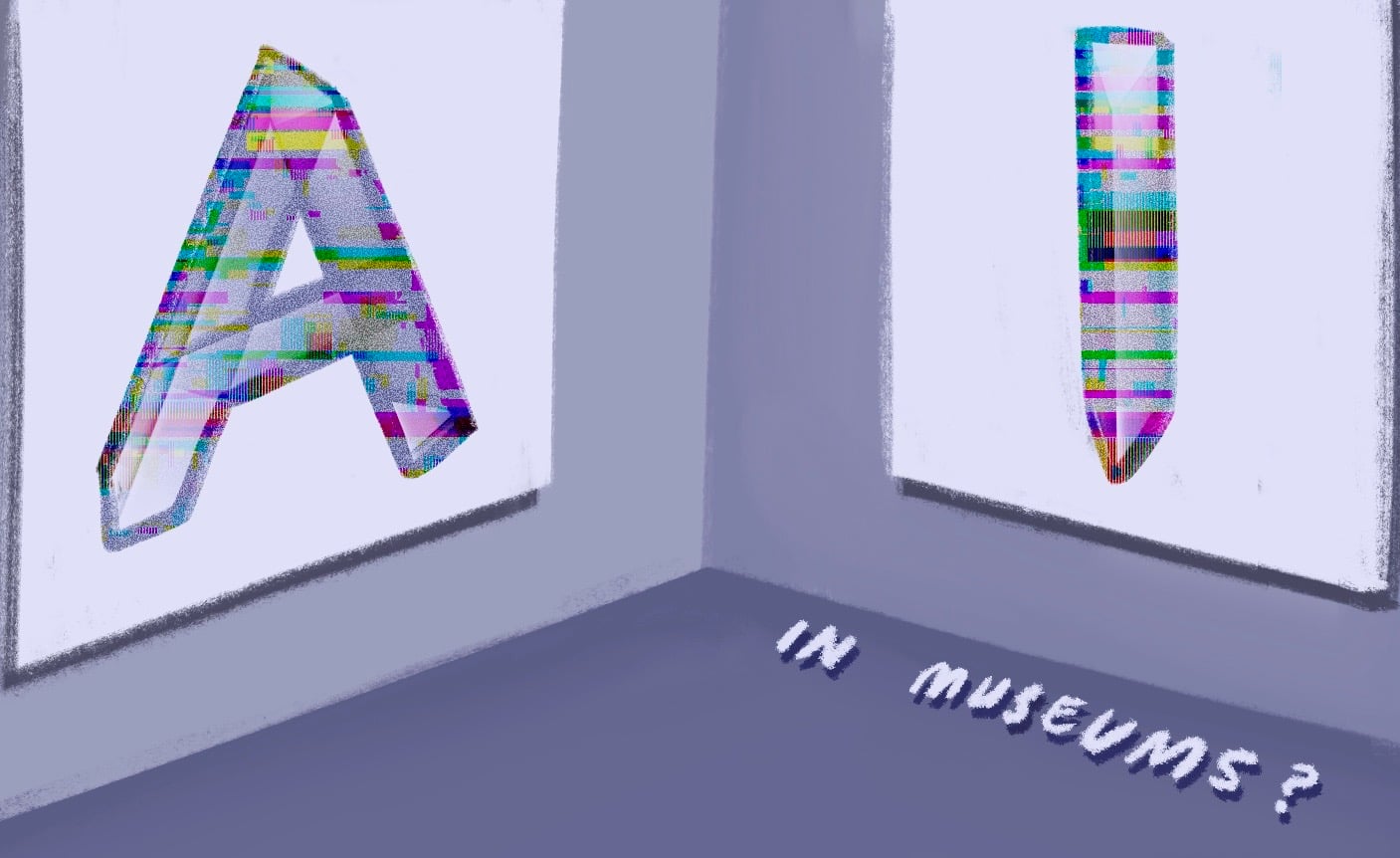
As the dialogue around AI and art continues to evolve, the role of museums becomes increasingly vital. They are tasked not only with showcasing the potential of AI but also with fostering an environment that encourages contemplation and understanding in a time characterized by relentless digital consumption. This challenge is especially pressing as the notion of “slop” defines the current moment, reminding us that genuine reflection and attention are more crucial than ever.
Ultimately, the integration of AI into artistic discourse does not need to diminish the value of human creativity. By curating experiences that emphasize the importance of human judgment in the age of machine-generated content, museums can help redefine what it means to create and appreciate art. In doing so, they can ensure that artistic intention prevails in a world increasingly at risk of being overwhelmed by “slop.”
See also Zhipu AI and MiniMax File for Hong Kong IPOs Amid Cash Struggles and U.S. Chip Restrictions
 AI Spending, Fed Cuts, and Earnings Growth Set Stage for Potential 2026 Stock Market Surge
 WhatsApp Integrates AI Tools for Enhanced Status Photo Editing in Latest iOS Beta
 Tariffs and AI Frenzy Drive Market Polarization; U.S. Investors Shift to Global Markets
 Saawahi IT Solution Launches Revamped Website, Strengthening AI-Driven Tech Focus