


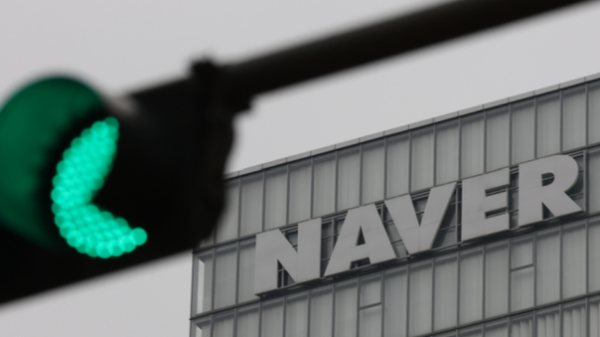





































Naver, South Korea’s largest search engine and technology company, is reinforcing its executive leadership as it aims to capitalize on the growing importance of artificial intelligence (AI). During the Naver DAN25 conference at Coex in Seoul on November 6, CEO Choi Soo-yeon announced the appointment of three new executives to the C-suite, effective February 1, 2025, signaling a strategic shift to enhance its AI capabilities across various services, including e-commerce, advertising, and cloud solutions.
Among the newly appointed executives, Kim Kwang-hyun, head of the search and data platform division, will take on the role of chief data and contents officer. He is expected to expedite the deployment of AI agents within Naver’s core offerings and to further integrate the company’s search and data technology platforms.
Yoo Bong-seok, the former head of policy and risk management, has been designated as chief corporate responsibility officer. He will oversee the company’s policy and risk management strategies in light of increasing global regulatory scrutiny. Meanwhile, Hwang Soon-bae, who previously led human resources, will become chief human resources officer, tasked with shaping the organizational strategy in an AI-driven landscape.
This restructuring comes as Naver is poised to report record-breaking financial results for 2025, with annual revenues projected to reach 12.08 trillion won (approximately $8.7 billion) and an estimated operating profit of 2.19 trillion won. If these projections hold, Naver may become the first internet platform company in Korea to exceed 12 trillion won in annual sales. The anticipated performance is driven by the successful rollout of its hyperscale language model, HyperCLOVA X, which has been integrated into various services to enhance personalization and user engagement.
Naver’s adoption of AI technology has notably influenced its shopping service, particularly following the launch of Naver Plus Store last year, which offers expanded logistics options, including same-day and next-day delivery. Collaborations with platforms such as Netflix, Spotify, and Kurly have also contributed to increased traction.
The company’s AI Briefing feature, introduced last year, has quickly gained popularity, accounting for about one-fifth of all searches on its platform. This feature provides summarized answers sourced from verified institutions across various domains, including health, public policy, and finance. In a move to further streamline user experience, Naver plans to introduce a unified AI tab this year, linking search results to direct actions like bookings and purchases.
Despite facing setbacks, such as its unexpected removal from a government-led national AI foundation model project earlier this month, Naver remains committed to pursuing its independent AI roadmap. The company will focus on developing proprietary technologies and forming new AI-driven business models, as well as establishing global partnerships.
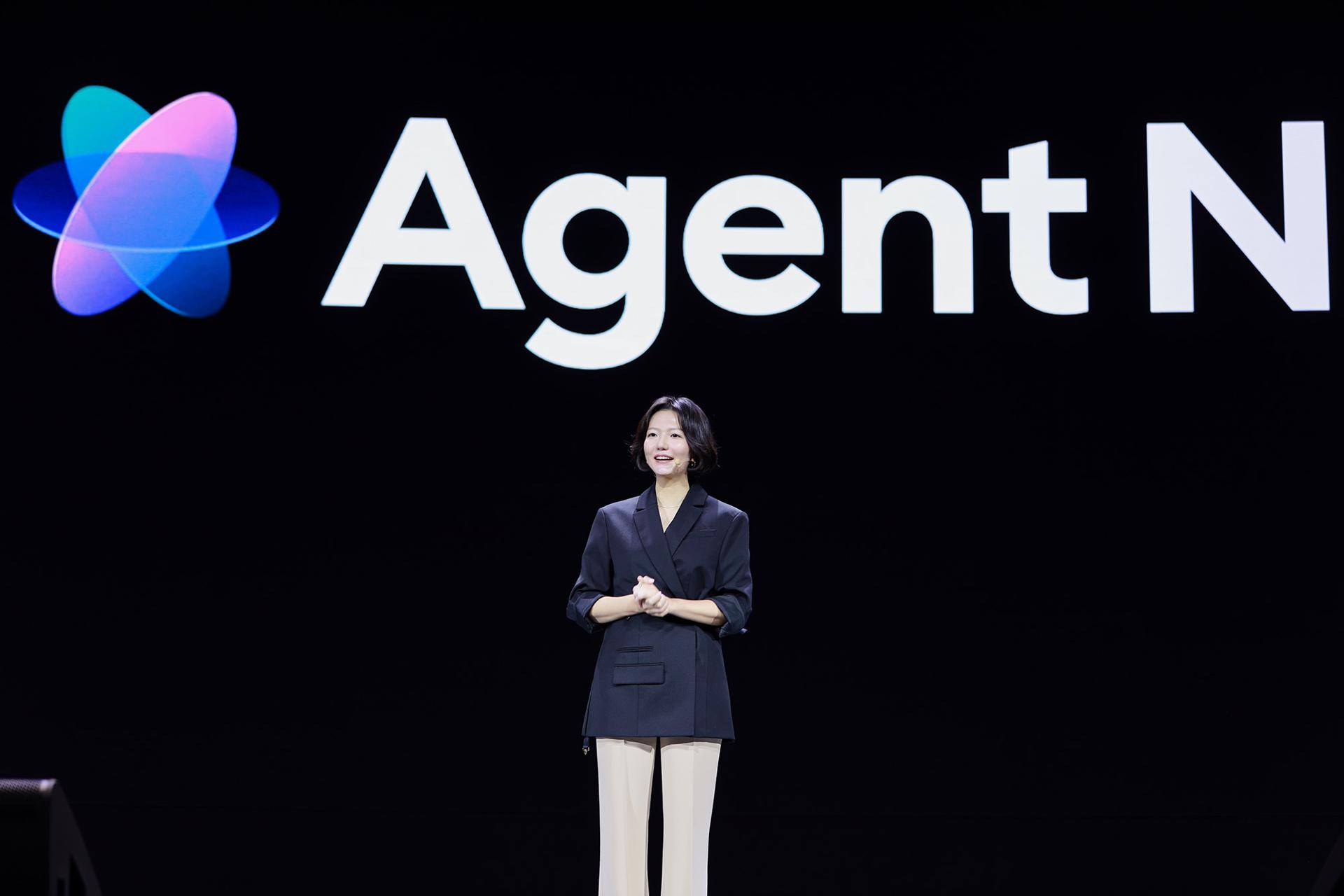
Looking forward, Naver plans to enhance its offerings with the launch of Agent N, a personalized AI agent that will connect search functionalities with real-world actions. A shopping-focused version of this agent is set to debut in the first quarter of 2025, with broader integration planned later in the year. In addition, Naver has recently unveiled Bank of Korea Intelligence, a sovereign AI platform designed in collaboration with Korea’s central bank to offer cloud infrastructure and leverage HyperCLOVA X for financial and economic applications.
See also Meta’s Stock Mispriced Amid AI Spending Surge, Analysts Target $836 in 2026
 South Korea’s AI Basic Act: A Global Regulatory Milestone Mandating Safety and Transparency
 Quantum Machine Learning Transforms Drug Discovery with Hybrid Algorithms, Tackling Molecular Challenges
 Google Quantum AI Achieves Key Milestones, Microsoft Poised for Quantum Dominance
 AI Adoption Key to Avoiding Bubble, Microsoft CEO Nadella Warns at Davos