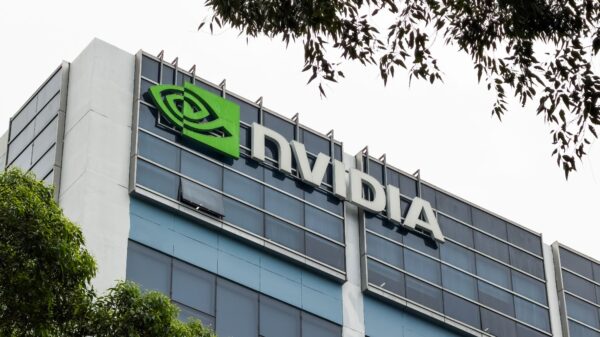


















































Novartis (NYSE:NVS) is making a significant move in the field of AI-driven drug discovery with a new agreement potentially worth up to $1.7 billion. This deal underscores the company’s growing confidence that data-intensive platforms can revolutionize the development of immunology drugs. The Swiss pharmaceutical giant will provide $55 million upfront to collaborate with Relation Therapeutics, leveraging its advanced AI technology, which analyzes patient datasets, including human tissue, to identify genetic triggers for allergic diseases. Relation, which is backed by DCVC and Nvidia (NASDAQ:NVDA)’s NVentures, stands to receive milestone payments that could total $1.7 billion, along with tiered royalties linked to future product sales.
Despite the substantial investment, investors reacted cautiously, with little immediate change in Novartis’ stock price, although shares have increased approximately 21% in value since the beginning of the year. The current strategy comes as Novartis aims to build a more resilient pipeline in anticipation of competition from generic drugs, particularly targeting its key therapies like the blockbuster heart medication Entresto.
This year, the company has already made significant acquisitions, including Avidity Biosciences for $12 billion, marking its largest deal in over a decade. Further investments included the $1.4 billion purchase of Tourmaline Bio to gain access to a treatment aimed at reducing systemic inflammation and a deal for Regulus Therapeutics that could reach $1.7 billion.
Relation’s innovative platform aims to expedite the identification of genetically validated drug targets, potentially increasing the probability of success compared to traditional drug discovery methods. The commercial potential is significant, given that atopic diseases affect hundreds of millions of individuals globally and remain largely underserved despite substantial research and development expenditures. According to Relation’s CEO, David Roblin, about 75% of drugs entering Phase 2 trials fail due to safety or efficacy issues, a trend he attributes to insufficient biological clarity at the development’s outset.
Roblin and Novartis’ biomedical research president, Fiona Marshall, forged a connection at the recent JP Morgan health-care conference, where they began discussing a potential collaboration that ultimately culminated in this transaction. Relation has already established a similar partnership with GSK in 2024, indicating a growing demand for AI-driven platforms as pharmaceutical companies worldwide seek to enhance the efficiency and cost-effectiveness of long-term drug discovery.
As AI continues to reshape various sectors, including healthcare, Novartis’ latest venture reflects a broader trend toward integrating advanced technologies in pharmaceuticals. The company’s strategic investments and partnerships are poised to position it favorably in a rapidly evolving landscape, potentially paving the way for breakthroughs in therapies that address pressing medical needs.
The implications of this alliance could extend beyond Novartis, influencing the overall direction of drug development as more firms adopt AI-driven methodologies. With the potential to transform how immunology drugs are discovered and developed, this collaboration exemplifies the vital intersection of technology and medicine in addressing complex health challenges.
For more information about Novartis, visit their official site at Novartis. To learn more about Nvidia’s ventures, go to Nvidia.
See also OpenAI’s Enterprise AI Report Reveals 320x Increase in Reasoning Tasks Year-over-Year
 Survey Reveals AI Boom Sparks Executive Enthusiasm Amid Public Skepticism on Risks
 Microsoft Announces $17.5 Billion Investment in India’s AI and Cloud Infrastructure
 Brookfield and Qai Launch $20 Billion AI Infrastructure Venture to Transform Qatar’s Digital Economy
 AI Transforms Ghanaian Brand Strategies: Unlocking Growth Through Data-Driven Insights