














































NVIDIA has reported that its team of approximately 30,000 engineers has harnessed the capabilities of generative artificial intelligence to achieve a threefold increase in code output. This significant productivity boost highlights the growing influence of AI technologies in software development, with NVIDIA at the forefront of this transformation. The company emphasized that these advancements are part of a broader trend in the tech industry, where AI tools are increasingly being integrated into daily workflows.
The use of generative AI, which can assist in writing code and automating various programming tasks, has allowed NVIDIA’s engineers to enhance their efficiency remarkably. This development comes as the tech sector is witnessing a surge in interest surrounding AI applications, particularly in coding and development environments. With the advent of tools that can generate and refine code almost instantaneously, firms like NVIDIA are positioned to leverage these technologies to streamline processes and enhance innovation.
NVIDIA’s initiative reflects a larger shift within the industry as companies explore ways to incorporate AI into existing frameworks. The ability to produce code at three times the previous rate not only accelerates development cycles but also potentially reduces costs associated with software engineering. This efficiency could lead to faster deployment of new features and products, ultimately benefiting end-users and the marketplace alike.
Moreover, the integration of generative AI in coding practices raises questions about the future of software engineering jobs. While some experts express concerns about the potential for job displacement, others argue that such tools will augment human capabilities rather than replace them. The consensus appears to be that engineers will need to adapt, focusing on higher-level design and strategic oversight as AI handles more routine coding tasks.
As NVIDIA continues to refine its AI tools, the implications extend beyond just improved code output. The company is also working on making these tools accessible to a broader range of developers, potentially democratizing the coding process. This could empower a new generation of software engineers, allowing individuals with varying levels of experience to contribute more effectively to projects.
The introduction of generative AI in coding is not limited to NVIDIA. Many technology firms are racing to integrate similar tools into their workflows, hoping to replicate the success seen by NVIDIA. As competition intensifies, the advancements in generative AI could spur innovation across the sector, leading to a new wave of productivity that redefines how software is developed.
Looking ahead, the role of generative AI in technology is poised to expand further. As companies refine their algorithms and as new models emerge, the potential for even greater efficiencies in coding and software development will likely grow. This ongoing evolution will not only reshape how engineers work but could also transform the entire landscape of the tech industry, fostering a culture of rapid innovation and collaboration.
See also ePlus Boosts 2026 Sales Forecast to 22% Amid AI Expansion and Strategic Acquisitions
 AI Revolutionizes HR Decisions: 60% of Managers Now Rely on AI for Promotions and Raises
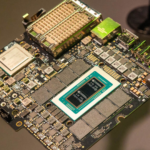 Nvidia GB10 System Automates Reporting, Reducing Staffing Needs by Over 99%
 OneStream’s IDC Leadership Nod Reinforces AI Finance Edge Amid Deal Risks
 Midjourney Surpasses 19.83M Users, Generates $500M Revenue in 2025