













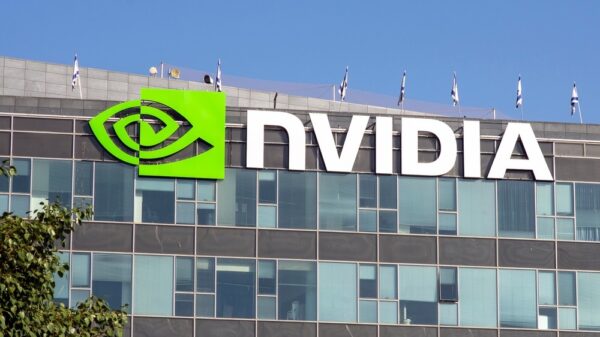





















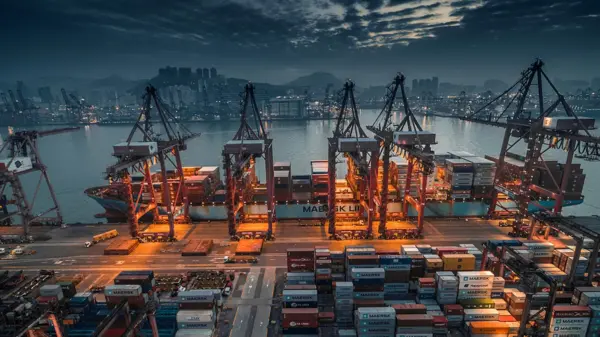












In a significant development for the technology sector, multiple reports have confirmed that Chinese customs have blocked imports of Nvidia’s H200 AI chips. This comes despite a recent approval from U.S. authorities that would have allowed exports under tighter licensing and testing conditions. The enforcement of this ban marks a notable disruption in Nvidia’s supply chain in China and underscores the direct impact of geopolitical tensions on the demand for its advanced AI accelerators.
The blockade raises questions about Nvidia’s previously optimistic projections regarding its AI infrastructure investments. To invest in Nvidia, analysts suggest that stakeholders must believe in the sustained growth of AI data center spending, software lock-in, and the expansion into adjacent platforms such as robotics, automotive, personal computing, and biotechnology. However, the recent action by Chinese customs undermines the anticipated benefits from a China reopening, reinforcing the risks associated with export controls and retaliatory policy measures that could hinder Nvidia’s growth narrative.
Despite these geopolitical setbacks, Nvidia’s rollout of the Rubin platform and the increasing number of partners joining the initiative could serve as a foundation for its AI infrastructure strategy. This new rack-scale architecture attracts early adopters in the cloud sector, such as CoreWeave, and garners support from significant players like Red Hat and Lenovo. This suggests that Nvidia is transitioning from merely selling chips to offering a comprehensive AI factory stack, potentially cushioning against weaknesses arising from disruptions in any single region. Nevertheless, investors are advised to monitor how these China-related supply chain challenges may impact the extensive AI factory buildout.
Nvidia’s financial forecasts remain ambitious, projecting $337.2 billion in revenue and $187.9 billion in earnings by 2028. Achieving these figures would require a substantial annual revenue growth rate of 26.8% and an earnings increase of approximately $101.3 billion from the current $86.6 billion. This outlook positions Nvidia’s fair value at $253.02, indicating a 36% upside from its current stock price.
Investor sentiment varies widely, with 399 members of the Simply Wall St community estimating Nvidia’s fair value between $104 and $341.12. This range highlights differing perceptions regarding Nvidia’s AI market potential, especially in light of the recent H200 setback that emphasizes the fragility of its previously estimated $50 billion annual market. As geopolitical tensions continue to evolve, the extent to which Nvidia’s growth story is exposed to future export regulations and licensing shocks remains a point of concern.
For those questioning the prevailing narratives around Nvidia, opportunities exist to develop alternative investment perspectives. The technology landscape is evolving rapidly, and informed investors may find value in identifying stocks that are currently undervalued. With daily shifts in market sentiment, early identification of promising investment options can yield significant returns.
As investors weigh their options, Nvidia’s situation serves as a reminder of the complexities within the tech industry, where geopolitical factors can drastically alter market conditions. The company faces a pivotal moment as it navigates these challenges while seeking to maintain its leadership in AI technology. How the company adapts to these changing dynamics will be critical to its long-term success in the increasingly competitive landscape.
See also Alphabet Emerges as AI Leader with Gemini, Surpassing OpenAI and Anthropic
 India’s Budget 2026 Must Propel AI Startups with R&D Support, Tax Relief, and Credit Access
 Scientists Study AI as Living Systems to Unravel Complex Behaviors and Risks
 Salesforce CEO Marc Benioff Calls AI’s Impact on Children “Worst Thing” After Troubling Documentary
 Google’s AI Miscalculates Year: 2027 Declared Not Next Year, Raises Concerns Over Accuracy