



















































Automating manual reporting processes can significantly enhance efficiency, as demonstrated by a recent review from Serve The Home (STH), which utilized Nvidia’s GB10 hardware and structured AI workflows. The review highlights how organizations traditionally depend on employees to gather, organize, and report performance metrics from various digital platforms, a task that has become increasingly overwhelming.
In their effort to streamline this process, STH designed an automated reporting pipeline that minimizes the need for additional staffing while assuring consistent reporting accuracy. Historically, employees managed the labor-intensive task of responding to long, unstructured emails containing requests for metrics from multiple sources and specific date ranges. By implementing a structured flow for data collection and aggregation, the organization could manage the escalating volume of requests effectively.
The automation system benefited from pre-built integrations within n8n, which reduced setup time by establishing direct connections to analytics systems without necessitating custom code. This structured approach allowed for careful planning of each workflow step, ensuring that time limits, filters, and query details were applied uniformly. Although the workflow operated sequentially, this method simplified testing and troubleshooting during the initial implementation phase, enabling reviewers to validate results before scaling up the operation.
To assess the system’s effectiveness, STH conducted tests using around 1,000 historical requests spanning from 2015 to 2025, ensuring that results were known and verifiable. The review compared different AI models, such as gpt-oss-20b FP8 and gpt-oss-120b FP8, to evaluate their accuracy at each step in the workflow.
Initial findings indicated that smaller AI models performed adequately for straightforward requests; however, as complexity increased, inaccuracies began to surface. Given that the workflows required multiple model calls per request, even minor errors had a compounding effect, thereby diminishing overall reliability. In contrast, larger models achieved step accuracy exceeding 99.9%, effectively reducing workflow errors from occurrences on a weekly basis to rare annual events.
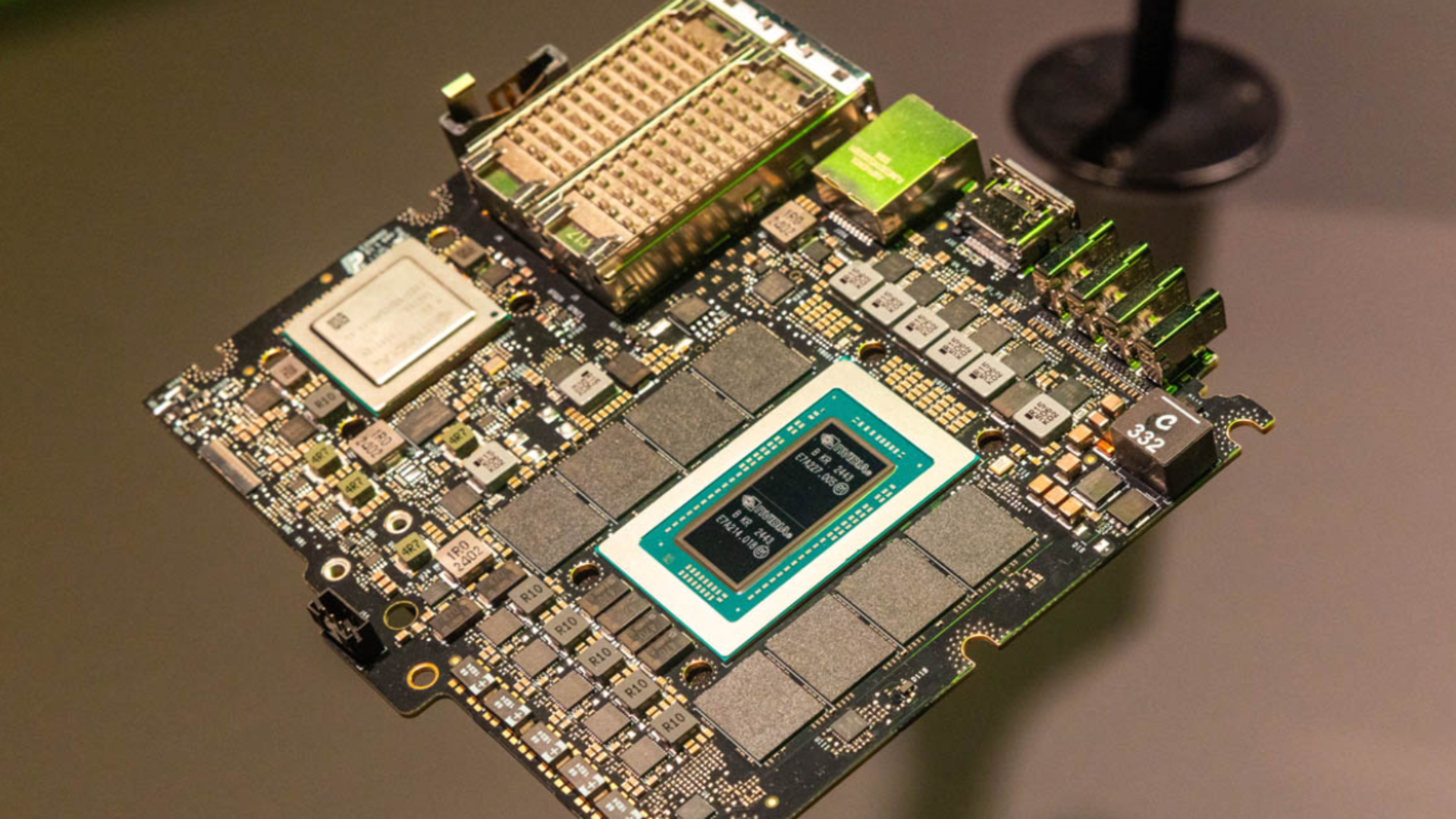
The review utilized two Dell Pro Max systems equipped with GB10 units to run the AI locally, ensuring that all data remained on premises. The automation process ultimately eliminated the necessity for a dedicated reporting role, with the associated hardware costs recuperated within twelve months. AI systems efficiently handled both internal and external reporting requests, which included metrics related to article views, video engagement, and newsletter performance, all without human intervention.
This transition to automation allows organizations to reallocate resources to other essential functions, such as hiring a managing editor, while sustaining a high level of reporting quality. The results illustrate that reliable automation can effectively remove manual tasks associated with metric retrieval and consolidation, making roles focused on gathering, cleaning, and summarizing performance data particularly susceptible to obsolescence.
While the review underscores the substantial efficiency gains achieved through automation, its success hinges on several critical factors, including model accuracy, the design of workflows, and the capacity to maintain control over sensitive data. As organizations increasingly adopt these technologies, the implications for workforce structure and data management will become increasingly prominent, signaling a shift in how businesses approach reporting and analytics.
See also OneStream’s IDC Leadership Nod Reinforces AI Finance Edge Amid Deal Risks
 Midjourney Surpasses 19.83M Users, Generates $500M Revenue in 2025
 Qualcomm Unveils 2nm Chip Design, Boosting Edge AI Performance and Efficiency
 Singapore’s Shery Chan Transforms from Product Designer to AI Strategy Director at Standard Chartered
 French Authorities Raid X Over Grok’s 2 Million Unlawful Explicit Image Generation