











































A new artificial intelligence model developed by researchers in Israel and at Nvidia demonstrates an unprecedented ability to predict diabetes and other life-threatening diseases more than a decade prior to typical diagnoses, according to a peer-reviewed study published on Wednesday in the journal Nature.
The model, named GluFormer, utilizes long-term blood sugar patterns gathered through continuous glucose monitoring systems to forecast future disease risk. In trials, it outperformed existing clinical tools, including the widely used HbA1c blood test, in predicting diabetes and cardiovascular disease as far as 12 years in advance.
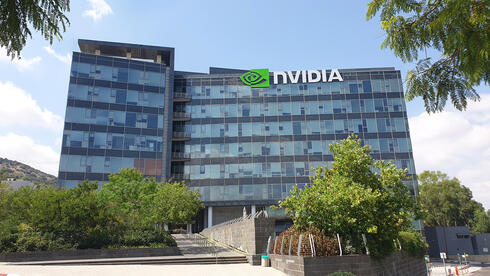
Conducted by a collaboration involving Nvidia’s Artificial Intelligence Research Center in Israel, the Weizmann Institute of Science, the Israeli startup Pheno.AI, and other academic and clinical partners, the research’s publication in Nature positions it among a select group of AI-driven medical studies that have successfully navigated the journal’s rigorous peer-review process.
At its foundation, GluFormer is built on the Transformer architecture, which forms the basis of large language models such as GPT and Gemini. Unlike those models, however, GluFormer was trained on over 10 million glucose measurements from 10,812 individuals, most of whom were not diabetic at the outset.
In a significant test, researchers applied the model to glucose data gathered 12 years earlier from a cohort of 580 adults, accurately identifying 66% of individuals who later developed diabetes and 69% of cardiovascular-related deaths among those at highest risk. The model’s performance remained robust across 19 external databases, which included various populations, devices, and medical conditions.
Moreover, the researchers found that GluFormer could anticipate a wide range of health outcomes linked to metabolic health, such as indicators associated with cardiovascular disease, kidney and liver function, blood lipid levels, visceral fat, and sleep disorders. In all instances, the model consistently outperformed other prediction methods reliant on glucose monitoring alone.
Researchers argue that the ability to detect disease risk years earlier could transform the delivery of preventive care. Early risk identification may enable physicians to intervene before irreversible damage occurs, tailor treatment strategies in clinical trials, and alleviate the long-term economic burden of chronic diseases. By 2030, the global cost of diabetes alone is projected to reach $2.5 trillion, as noted in the study.
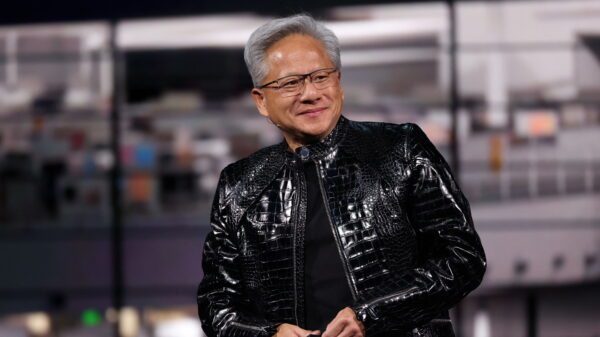
“GluFormer’s success in predicting diabetes and disease risk further demonstrates the significant potential of integrating artificial intelligence into medical research,” said Prof. Gal Chechik, Senior Director of AI Research at Nvidia. He emphasized that the work signals a future where AI systems can extract clinical insights from patient data at a scale previously unattainable, supporting both earlier detection and more informed medical decisions.
The backdrop to this groundbreaking research entails a growing global diabetes crisis. Currently, about 10% of the world’s population lives with diabetes, and projections suggest that by 2050, this figure could exceed 1.3 billion. The disease is already a leading cause of death globally and is linked to severe complications such as kidney failure, vision loss, and heart disease.
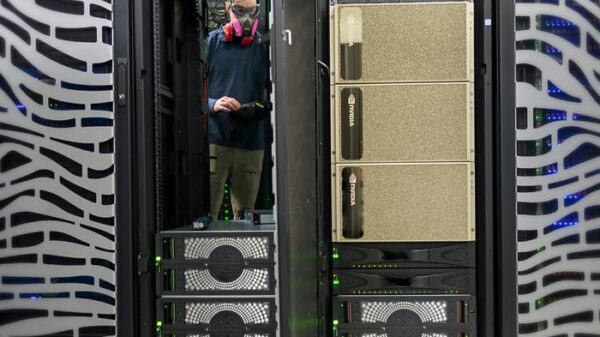
The development of GluFormer was spearheaded by Prof. Eran Segal of the Weizmann Institute and MBZUAI University, in conjunction with Chechik, and included contributions from researchers at Pheno.AI, clinicians from Schneider Children’s Medical Center, and academic teams from Tel Aviv University and Bar-Ilan University. Training and testing of the model were conducted utilizing Nvidia’s advanced artificial intelligence infrastructure.
This innovative model not only highlights the potential for AI to transform medical diagnostics but also emphasizes the urgent need for preventive measures as the global health landscape continues to evolve.
See also Microsoft’s Brad Smith Unveils AI Commitments, Job Training Initiatives in Wisconsin Data Center Expansion
 Hot Springs Festival Challenges Audience: Define Humanity in AI Theater Experience
 DeepSeek Launches Sparse AI Models, Redefining Efficiency with $6M Training Costs
 AI’s Employment Impact: Key Insights on Worker Displacement and Adaptation Strategies
 Global AI Regulation Enforced in 2026: EU’s AI Act Transforms Tech Landscape, Stricter Compliance Required