

































Alibaba Group Holding Limited (NYSE: BABA; HKEX: 9988) is poised for a pivotal week in trading as investors contemplate its ability to leverage growing momentum in artificial intelligence (AI) and cloud computing into sustainable earnings. The company faces the dual challenge of high spending in the ultra-competitive “instant retail” sector, which promises one-hour delivery, while grappling with evolving geopolitical dynamics.
As of the last U.S. close on Friday, Dec. 12, BABA shares finished at $155.68 and dipped to $154.95 in after-hours trading. In Hong Kong, shares closed at HK$154.10.
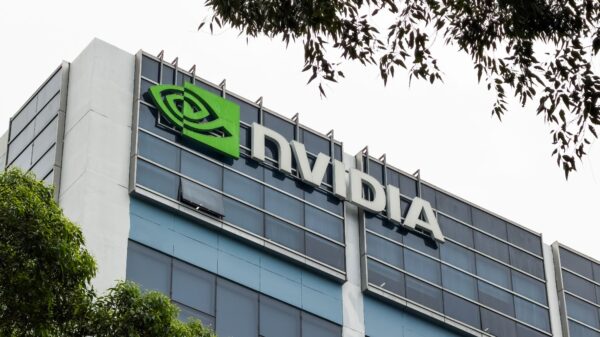
The current market discourse is heavily influenced by a recent policy shift regarding AI chip exports. U.S. President Donald Trump announced that Nvidia’s H200 AI chip would be allowed for export to China, albeit with a 25% fee. This news has sparked significant interest from Alibaba and other Chinese tech players, although it raises questions about potential restrictions from Beijing on chip utilization, as reported by Reuters.
Alibaba is at a critical juncture, characterized by a blend of regulatory shifts and burgeoning AI demand. The company is actively seeking to purchase H200 chips, joining other major firms like ByteDance in this pursuit. Yet, two significant factors could dampen expectations: possible restrictions from the Chinese government and a tight supply of the chips, which Nvidia has acknowledged might limit their availability as it prioritizes newer production lines.
Moreover, discussions among Chinese officials about requiring that H200 purchases be bundled with domestically produced chips could introduce further complexities, potentially increasing costs and delaying deployment timelines.
Alibaba’s financial performance in the most recent quarter, reported on Nov. 25, shows a mixed picture, with total revenue of RMB 247,795 million (approximately $34.8 billion) representing a 5% year-over-year increase. However, net income plummeted by 53% from the previous year to RMB 20,612 million. The company attributed a significant outflow of free cash to its rapid investments in quick-commerce and cloud infrastructure, further complicating its fiscal outlook.
Despite these challenges, Alibaba Cloud’s revenue surged, climbing to RMB 39.824 billion, reflecting a robust 34% year-over-year growth. The company noted that its AI-related products have seen triple-digit growth for nine consecutive quarters, reinforcing its commitment to AI as a meaningful revenue driver.
CEO Eddie Wu described the company’s current phase as one of heavy investment in AI technologies and infrastructure, warning that profitability might fluctuate as the company builds its long-term strategic value. This investment strategy underscores the importance of Nvidia’s H200 news, with hardware availability being a crucial factor for Alibaba’s future growth trajectory.
On the consumer front, Alibaba is also attempting to expand its footprint in consumer AI through its upgraded Qwen app, which aims to compete with established players like ByteDance and Tencent. The Qwen app achieved over 10 million downloads within its first week in public beta, showcasing consumer interest.
However, Alibaba’s aggressive push into instant retail is generating considerable cash burn, with S&P Global analysts projecting that Alibaba, along with competitors like Meituan and JD.com, will collectively spend at least 160 billion yuan over the next 12 to 18 months to maintain or grow market share. Meituan has already reported its first quarterly loss since late 2022, which raises concerns about the sustainability of profit margins in this sector.
This competitive landscape has drawn scrutiny from regulators, who are urging a more rational approach to competition among these firms amidst concerns over labor welfare and margin pressure.
Geopolitical factors also loom large, as reports indicate that Alibaba, alongside Baidu and BYD, may be added to a Pentagon list associating them with China’s military. While Alibaba contends there is “no basis” for such claims and asserts it will continue business as usual, the potential for reputational damage remains a concern for investors.
Despite these challenges, analysts remain optimistic about Alibaba’s prospects. A consensus from various analysts suggests a bullish outlook, with 13 analysts rating BABA as a “Strong Buy” and an average price target of $189.08, implying significant upside potential if Alibaba can successfully execute its strategic vision.
Looking forward, several key developments could influence Alibaba’s valuation, including Beijing’s decisions regarding H200 approvals, Nvidia’s supply chain capacity, and the company’s ongoing efforts to stabilize its financial metrics amidst heavy investment. As Alibaba navigates these turbulent waters, its ability to balance aggressive spending with profitability will be put to the test, painting a complex picture of its future in the Chinese tech landscape.
See also AI Breakthrough by DoMore Diagnostics Revolutionizes Colorectal Cancer Detection, Minimizes Chemotherapy Risks
 Microsoft AI Chief Mustafa Suleyman Calls Elon Musk a ‘Bulldozer,’ Praises Sam Altman’s Courage
 Vanguard Projects AI Boom to Boost US Economy, But Cautions on Stock Returns
 AI Spending Surges to $350B, Fueling US Economic Growth Amid Rising Energy Costs