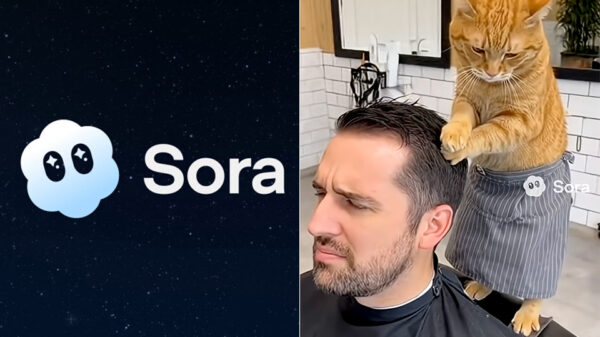































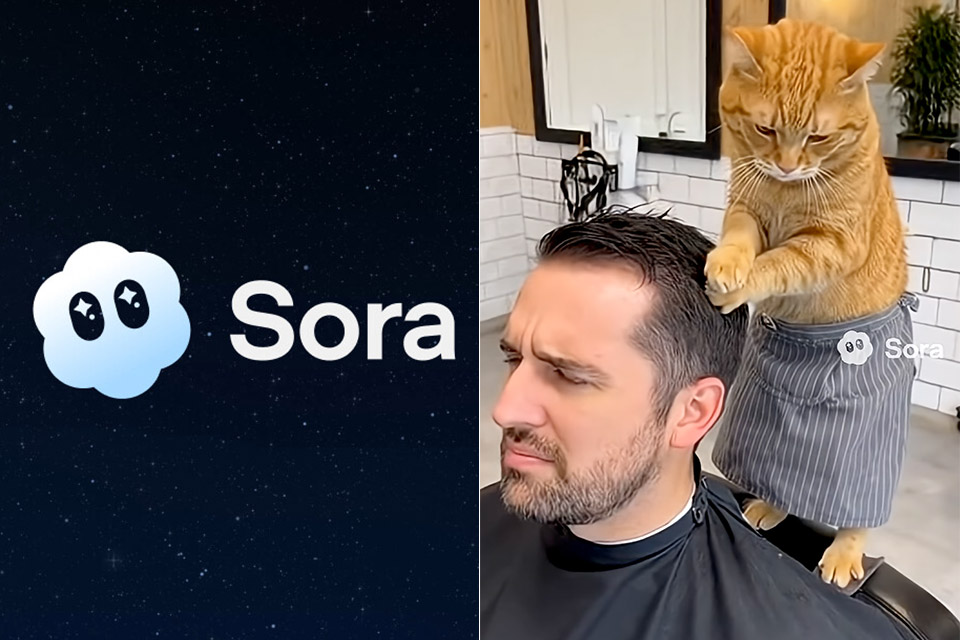
OpenAI has officially announced the shutdown of Sora, a video generation app that launched just nine months ago, disappointing its user base. The announcement was made via social media, where the company expressed gratitude to its users but provided no detailed explanation for the decision. Sora was designed as a mobile app that allowed users to create videos from text prompts, but its abrupt closure raises questions about the challenges faced in the evolving landscape of AI-driven content creation.
Launched in September 2022, Sora allowed users to input short descriptions, transforming them into realistic-looking video clips. This feature turned the app into a personal film studio for many, enabling users to superimpose their faces into animated scenarios or share humorous videos with friends. The app enjoyed a surge in popularity, with downloads reaching millions across various app stores. However, as user interest gradually waned, significant issues began to surface.
While early adopters praised Sora for its ability to quickly generate creative videos—depicting everything from dogs driving cars to celebrities engaging in parkour—the open nature of the platform led to unintended consequences. Videos that placed real people in potentially damaging or misleading scenarios began to circulate widely. Concerns arose over copyright violations, as unauthorized use of copyrighted characters and likenesses became prevalent. Families of public figures started reaching out to OpenAI for removals, while industry unions and studios expressed alarm regarding the unregulated use of individuals’ images.
In response to these escalating issues, OpenAI began tightening the rules governing content generation on Sora, enforcing stricter limitations on deepfake-style content and unauthorized likenesses. Just a day before Sora’s closure, the company issued a blog post detailing new measures aimed at better protecting younger users. Despite these efforts, many felt that the damage to the app’s reputation had already been done, making it increasingly challenging to reclaim user trust.
This turmoil coincided with OpenAI’s efforts to finalize a significant partnership with Disney. The entertainment giant had proposed investing $1 billion to facilitate collaboration between Sora users and iconic characters from its franchises, which include Marvel, Star Wars, Pixar, and other Disney properties. The initiative aimed to showcase how AI video generation could be used responsibly while safeguarding individuals’ rights. However, with the abrupt termination of Sora, the partnership vanished, and Disney issued a supportive statement, expressing that they had gained insights from the collaboration.
As AI-generated content continues to provoke discussions around ethics, copyright, and creative rights, the closure of Sora represents a notable chapter in the ongoing debate. The app’s legacy serves as a cautionary tale about the potential pitfalls of advanced technology when left unchecked. Moving forward, the industry will likely need to implement more rigorous guidelines to balance innovation with the protection of individual rights.
See also Germany”s National Team Prepares for World Cup Qualifiers with Disco Atmosphere
 95% of AI Projects Fail in Companies According to MIT
 AI in Food & Beverages Market to Surge from $11.08B to $263.80B by 2032
 Satya Nadella Supports OpenAI’s $100B Revenue Goal, Highlights AI Funding Needs
 Wall Street Recovers from Early Loss as Nvidia Surges 1.8% Amid Market Volatility