













































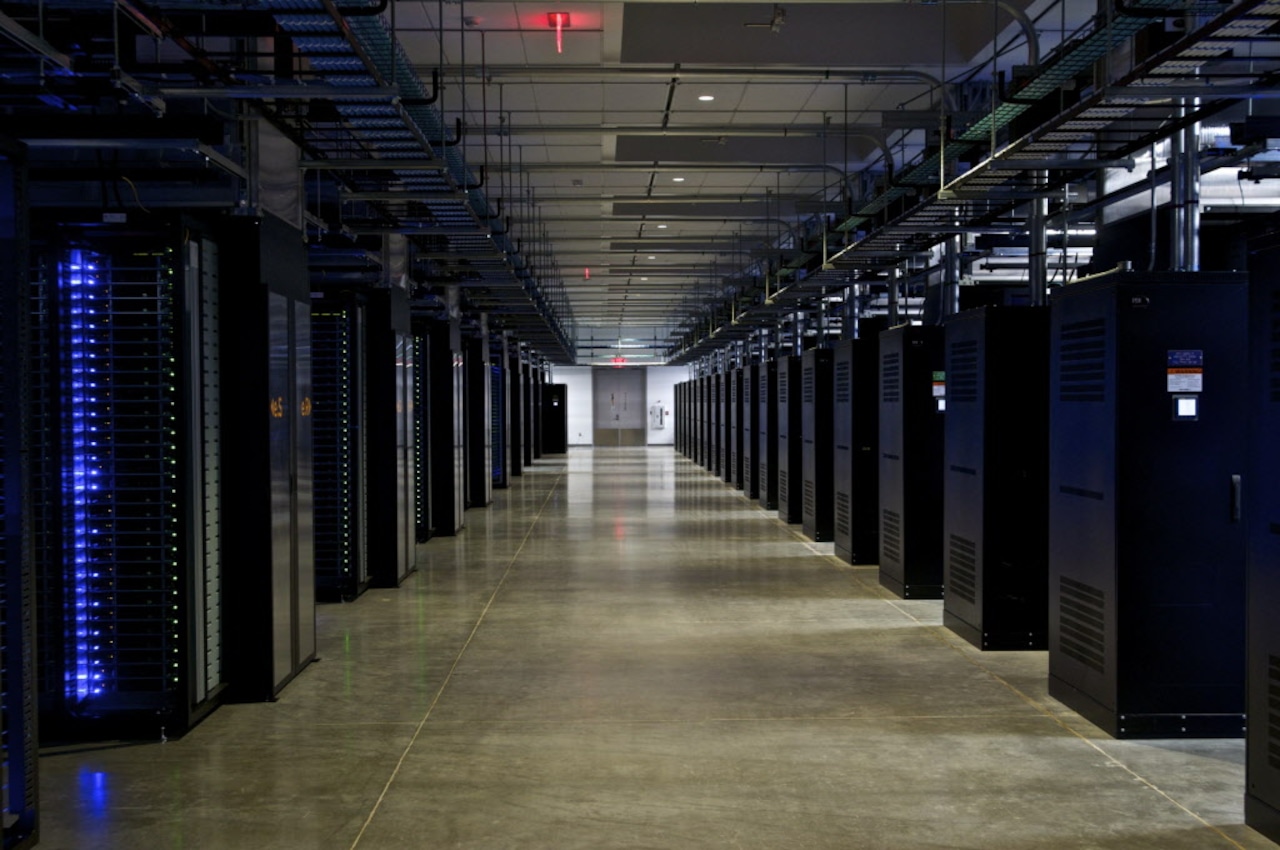
WASHTENAW COUNTY, MI — In 2025, a surge of proposals for massive, hyperscale data centers aimed at supporting artificial intelligence and other computing technologies captured significant attention. As the new year approaches, the momentum surrounding data center developments shows no signs of abating.
Major technology companies are fiercely competing to expand data infrastructure throughout Michigan, attracted by favorable tax incentives and access to essential resources like power and water.
As communities grapple with the implications of these large-scale projects, several key issues are expected to dominate discussions in the upcoming year.
Pushback amid Hyperscale Data Center Developments
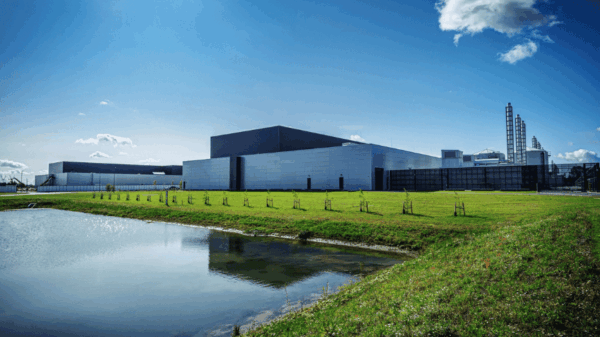
In rural Saline Township, preliminary construction activities have commenced for what is anticipated to be Michigan’s first hyperscale data center, known as “Stargate.” This project is a collaborative effort between OpenAI, the creator of ChatGPT, and cloud computing leader Oracle. However, the development has faced significant opposition, including ongoing protests, as it moves closer to overcoming final regulatory hurdles.
The controversy intensified following a lawsuit settlement that allowed the construction to begin after a township board initially voted 4-1 against rezoning approximately 575 acres of agricultural land. The data center will occupy about 250 acres near West Michigan Avenue and the Saline River, close to the Rustic Glen Golf Course.
Recently, DTE Energy received fast-tracked conditional approval from the Michigan Public Service Commission (MPSC) for special power contracts to supply the facility with 1.4 gigawatts—equivalent to the electricity demand of over a million homes. Despite this approval, the MPSC imposed strict requirements on DTE, mandating that the data center covers its costs; failure to do so would place the burden on the utility. DTE has until mid-January to respond to these conditions.
The MPSC’s decision has ignited debates over whether DTE’s arrangements will impact power bills for other customers, and local residents have raised concerns, with one adjacent landowner filing a motion to intervene in a lawsuit against the township, which has since been resolved.
Amid these developments, township officials have defended their decisions, emphasizing that the legal battle had the potential for severe financial repercussions for the small township and its taxpayers. Meanwhile, residents have filed an appeal with the township’s zoning board of appeals, seeking to halt preliminary construction as their challenge is reviewed.
Questions linger regarding the future of data center proposals in other areas of Michigan, particularly in Howell Township, where a project linked to Meta, the parent company of Facebook and Instagram, was withdrawn shortly before an expected vote. The developer, Randee LLC, had aimed to rezone over 1,000 acres primarily consisting of farmland. While the application was pulled, there remains the possibility of its resubmission after a six-month moratorium on such proposals is lifted.
Community feedback has influenced this decision, with local stakeholders emphasizing the importance of carefully considering the implications of such significant developments.
Community Opposition and Future Implications
In Augusta Township, local residents have mobilized to gather signatures for a ballot petition that would allow voters to decide on a data center proposal impacting 522 acres near Milan. This grassroots effort, led by the Protect Augusta Charter Township group, successfully collected over 800 valid signatures, surpassing the necessary threshold.
Regular elections are scheduled for later in 2026, providing a platform for voters to influence the outcome. This initiative followed a unanimous vote by the township board to approve rezoning the land for a data center, contingent on its exclusive use for that purpose.
As tensions rise among residents concerned about the proliferation of data centers, New York City-based Thor Equities is eyeing a large parcel near Milan, proposing to purchase approximately 810 acres for development. Community members are advocating for a moratorium on new data centers in light of ongoing debates in neighboring municipalities.
Meanwhile, the University of Michigan is poised to advance its plans for a high-performance computing facility in collaboration with Los Alamos National Laboratory. The $1.2 billion project aims to house both classified and non-classified research, yet it has encountered resistance from local officials who oppose a proposed site on Textile Road due to perceived transparency issues related to a $100 million state grant awarded to the university.
As the landscape of data center development evolves, local governments across Michigan are increasingly considering moratoriums and regulations to control where such facilities can be constructed. The rapid influx of proposals continues to prompt community responses, signaling a growing awareness of the implications of these large-scale projects for local environments and economies.
The coming year promises to unveil further developments in the ongoing battle between technological expansion and community interests, as residents, local officials, and corporate entities navigate the complexities of hyperscale data centers in Michigan.
See also India Unveils 100 AI Solutions for Global Leaders at February Summit, Showcasing Impact Across Sectors
 U.S. Army Launches 49B AI/ML Officer Path to Enhance Data-Driven Warfare by 2026
 Microsoft’s AI Strategy Faces Backlash as “Microslop” Trends Amid Public Concerns
 Global Tech Titans to Convene at India AI Impact Summit 2026, Shaping AI Policy & Innovation
 2026: Robinhood, JPMorgan, and PayPal Unleash Game-Changing AI Innovations