






















































Software and SaaS stocks are preparing for the week of December 15-19, 2025, buoyed by lower interest rates but facing heightened investor scrutiny regarding the return on artificial intelligence (AI) spending. The week of December 8-14 saw notable movements in U.S.-listed software stocks, catalyzed by significant events including IBM’s $11 billion agreement to acquire Confluent, a guidance update from Oracle that raised eyebrows, a strong earnings report from Adobe, and rumors of ServiceNow nearing a deal for cybersecurity firm Armis.
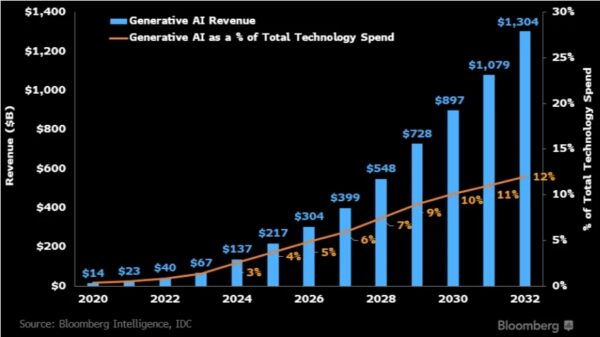
The Federal Reserve’s decision to cut interest rates by 25 basis points to a target range of 3.50%-3.75% has provided some support for SaaS valuations, which traditionally benefit from lower rates. However, the market response to Oracle’s forecast revealed that mere rate cuts will not suffice if growth in earnings and free cash flow remains elusive. Investors are now demanding clearer connections between AI expenditures and tangible returns, highlighting a shift in market expectations.
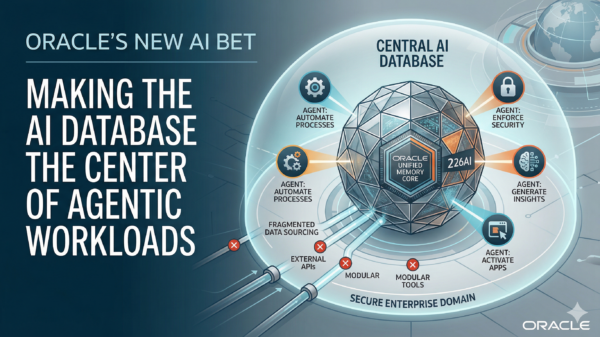
Oracle’s forecast for fiscal Q3, which fell short of expectations, alongside a significant increase in its capital expenditure outlook for fiscal 2026—now projected at $50 billion—sent shockwaves through the tech sector. Oracle’s shares plummeted approximately 14% on December 11, marking its steepest decline since the early 2000s. This unexpected capex announcement has raised questions about the short-term profitability of AI infrastructure builds, prompting investors to take a closer look at the sustainability of AI-driven demand.
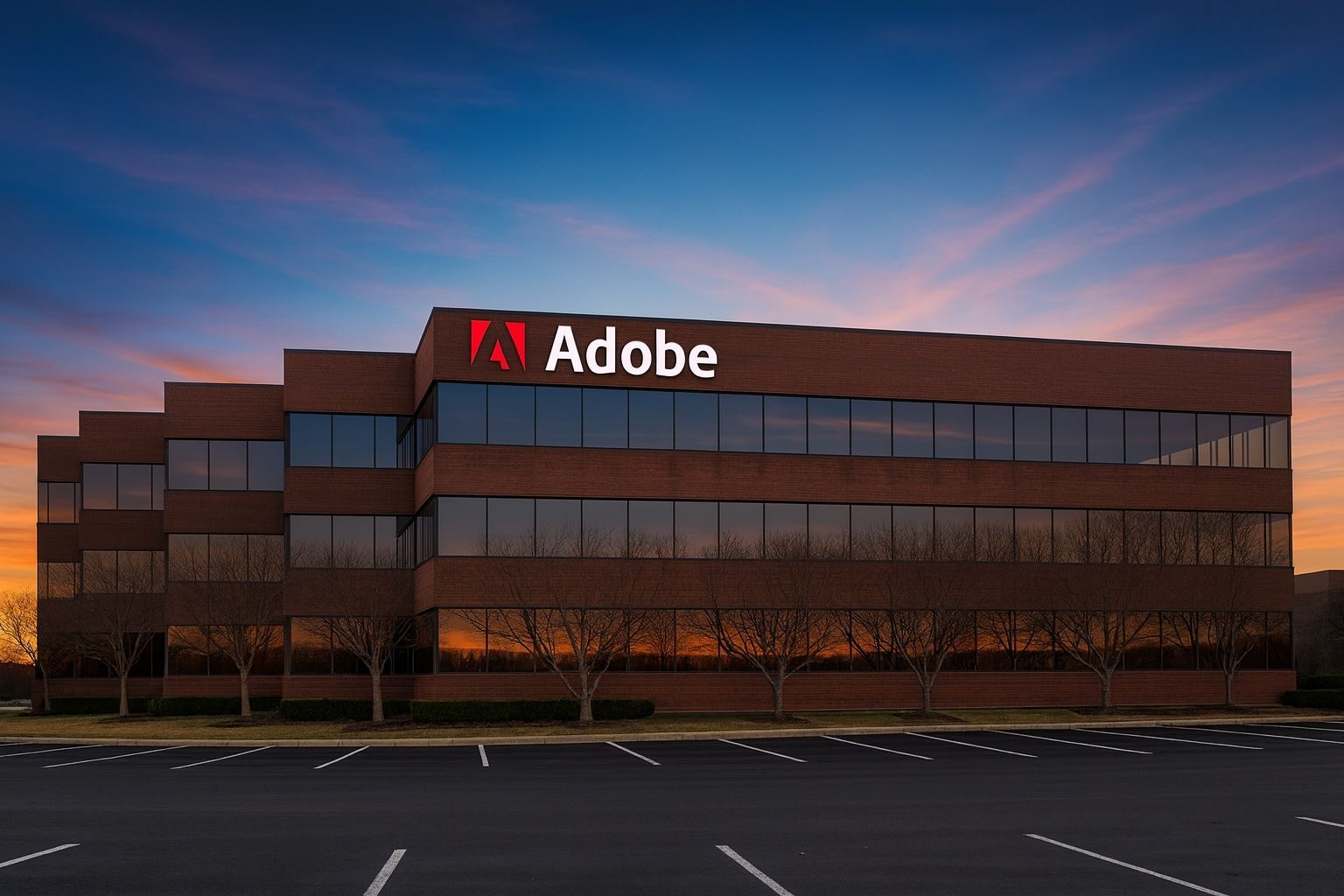
Adobe countered this trend with a robust earnings report, indicating that AI features are more than just cost centers; they represent a monetization opportunity. The company projected fiscal 2026 revenue between $25.90 billion and $26.10 billion, above market consensus, and reported fiscal Q4 revenue of $6.19 billion, exceeding expectations. Adobe also noted a 35% year-over-year increase in monthly active users of its freemium offerings, emphasizing that its AI initiatives are engaging customers and driving revenue growth.
On the M&A front, IBM’s acquisition of Confluent, designed to enhance data management capabilities crucial for AI applications, underscores the growing significance of data governance in the AI landscape. This strategic move positions IBM to better serve enterprises managing extensive real-time data streams necessary for generative AI. Meanwhile, ServiceNow’s rumored acquisition of Armis, valued at up to $7 billion, could reshape cybersecurity workflows, hinting at a future where security is seamlessly integrated into enterprise automation.
Additionally, recent developments in the public sector further indicate the potential for sustained demand in workflow SaaS. ServiceNow announced a CA$110 million investment to help Canada’s public sector adopt AI on a large scale, while Salesforce expanded its collaboration with the U.S. Department of Transportation, highlighting the growing trend of government modernization as a catalyst for enterprise SaaS demand.
As the software sector navigates these dynamics, the upcoming week will be crucial for monitoring investor sentiment. The recent rate cut may maintain risk appetite, but Oracle’s capex misstep has shifted focus to the profitability of AI investments. Investors will be keenly observing whether other companies can deliver on AI monetization metrics, as demonstrated by Adobe’s performance. The potential for further M&A activity, particularly in the context of the ServiceNow-Armis discussions, could also serve as a barometer for market sentiment regarding consolidation in the software space.
In summary, the intersection of macroeconomic support from lower rates and microeconomic pressures demanding rapid, measurable returns on AI investments creates a complex landscape for software and SaaS stocks. As companies adapt to this new reality, those that can clearly demonstrate the benefits of AI will likely emerge as leaders in the evolving market.
For more on the latest tech developments, visit IBM, Adobe, and ServiceNow.
See also High Court Rules Getty Images’ Copyright Claims Against Stability AI Are Dismissed
 Google’s AI Disco Transforms Browser Tabs into Custom GenTabs, Enhancing Productivity
 Nvidia’s $350M CoreWeave Stake Plummets 60%, Raising AI Demand Concerns
 Microsoft Announces $23B AI Infrastructure Investment Amid Azure Demand Surge
 Alphabet’s GOOG Hits $310 Amidst AI Gains and EU Antitrust Pressures Rising