
















































Specialty medical practices continue to evolve as healthcare demands change globally. With advancements in technology and increasing patient awareness, various subspecialties are gaining prominence across hospitals and clinics. Identifying the right specialty for patient needs can ensure timely and effective treatment, fostering an environment where both patients and providers thrive.
Among the many specialties, practices such as Cardiology, Oncology, and Neurology are witnessing significant growth. The rising prevalence of chronic diseases and the aging population contribute to increased demand for specialized care. According to recent data, cardiology appointments have surged by nearly 30% in the last five years, reflecting the urgency of addressing heart-related ailments.
In the realm of Oncology, new therapies and treatment modalities are emerging at a rapid pace. This has led to the establishment of multidisciplinary teams that combine expertise in surgery, chemotherapy, and radiation therapy. With innovative treatments such as immunotherapy and personalized medicine, cancer care is becoming increasingly sophisticated.
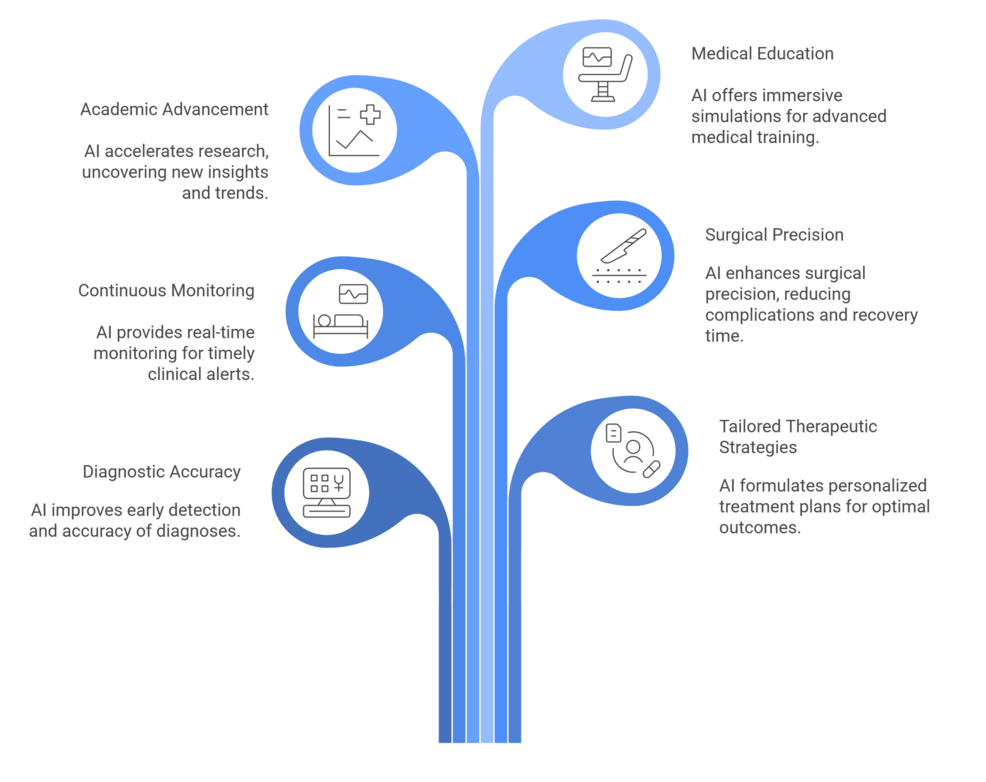
As specialties evolve, healthcare providers are also focusing on developing the skills necessary for the next generation of practitioners. Institutions are placing greater emphasis on Medical Education and simulation training to prepare students for real-world challenges. This is particularly evident in fields like Anesthesiology and Emergency Medicine, where hands-on experience can significantly influence patient outcomes.
The ongoing transformation in healthcare is not limited to traditional specialties. Emerging fields such as Integrative Medicine and Health Policy are gaining traction. These areas address not only the physical aspects of patient care but also psychological and social factors, emphasizing a holistic approach to health.
As the landscape shifts, specialties such as Preventive Medicine are becoming increasingly vital. The focus on disease prevention, lifestyle change, and community health initiatives is essential for combating public health crises. The World Health Organization has pointed out that preventive care can reduce healthcare costs by as much as 30%, underscoring its importance.
Furthermore, as technology continues to permeate healthcare, specialties such as Telemedicine and Health Informatics are on the rise. These fields leverage digital platforms to improve patient access and streamline care processes. With the COVID-19 pandemic accelerating the adoption of telehealth services, a permanent shift towards remote consultations is expected.
Looking ahead, the healthcare industry is poised for further innovations. As specialties expand and evolve, the integration of technology will likely play a pivotal role in shaping the future of patient care. The ongoing collaboration between healthcare providers, researchers, and technology companies will be essential in developing new therapies and improving patient outcomes.
In summary, the landscape of medical specialties is continuously adapting to meet the demands of a changing world. From cardiology to integrative medicine, each field offers unique contributions to healthcare. Understanding these specialties and their implications for patient care is crucial for both practitioners and patients alike.
See also AI Predictions Face Unprecedented Uncertainty Amid Public Backlash and Regulatory Challenges
 Nvidia Shifts Focus to Software Amid AI Bubble Risks, Targets $65 Billion Revenue by 2026
 Global Markets Face Turmoil in 2026: AI Bubble Risks and Fed Rate Decisions Loom Large
 Anthropic President Daniela Amodei Claims AGI Concept is Outdated Amid Rapid AI Advances
 Pure Storage’s AI Partnership with NVIDIA Sparks Investor Interest Amid Growth Risks