LeoLabs has unveiled an innovative artificial intelligence-powered system named Delta, aimed at enhancing national security through improved threat detection and characterization. The announcement was made on Wednesday as the company seeks to equip operators with the necessary tools to safeguard space assets amid increasingly complex orbital activities.
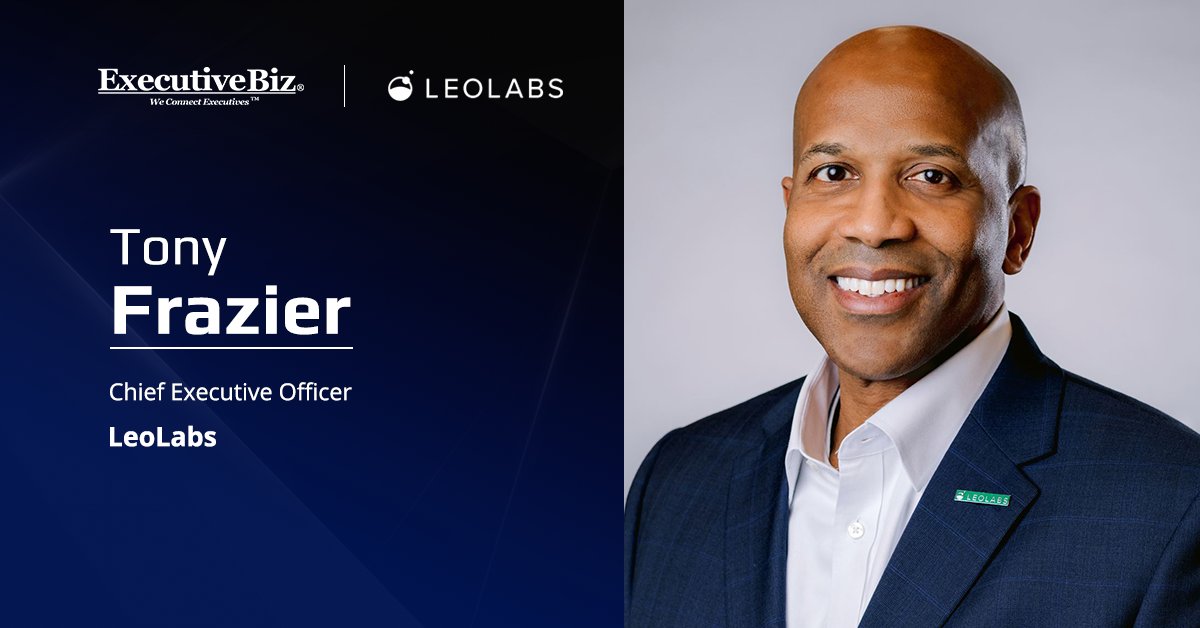
“Today’s dynamic threats — from advanced proximity operations that mirror ‘dogfighting’ to obscured satellite deployments — require more than passive surveillance,” remarked Tony Frazier, CEO of LeoLabs and a six-time Wash100 Award winner. “With Delta, we’re giving U.S. and Allied operators the ability to not only see what’s happening in orbit but to also understand what it means and act when it matters most.”
Delta represents a significant advancement over the previous platform, LeoGuard, which provided basic space domain awareness capabilities. According to LeoLabs, Delta enhances real-time threat monitoring, intelligence gathering, and the protection of space-based assets. Utilizing the company’s extensive radar network and object catalog, the new system tracks mission-relevant objects, detects anomalies, and analyzes activity patterns in orbit, subsequently translating this data into actionable alerts.
“Delta delivers the clarity and speed Allied operators need to make confident decisions, defend critical assets and strengthen collective security,” stated Maher Khoury, senior vice president of international sales at LeoLabs. This upgrade comes at a crucial time as the urgency for sophisticated space security solutions intensifies.
In addition to its new Delta system, LeoLabs has established itself as a critical provider of orbital intelligence data, tracking services, and radar-based observations to support U.S. government space operations. Under a space act agreement with NASA, the company aids in conjunction assessments, which help predict satellite positions and prevent collisions in orbit. Furthermore, LeoLabs supplies tracking data, object state vectors, and maneuver detection information to the Department of Commerce and the U.S. Space Force, bolstering space domain awareness and traffic coordination efforts.
Moreover, LeoLabs actively contributes to the Golden Dome of America, an initiative focused on developing an advanced missile defense system. The company has recently participated in demonstrations aimed at tracking orbital maneuvers and hypersonic reentry, showcasing its commitment to enhancing national security through technological innovation.
The integration of AI into mission-critical operations is becoming increasingly prevalent, as evidenced by discussions scheduled for the upcoming 2026 Digital Transformation Summit on April 22. Industry leaders will explore how AI is reshaping mission execution and strategize on operationalizing advanced technologies without compromising safety and security.
As the landscape of space activity evolves, the demand for sophisticated monitoring and threat detection systems will only continue to grow. LeoLabs Delta is poised to play a pivotal role in meeting these emerging challenges, ensuring that U.S. and Allied operators are better prepared to navigate the complexities of contemporary space security.
See also Her CyberTracks Opens Applications for 2026 Cohort Supporting Women in Cybersecurity
 Identity Analytics Market to Reach $5.97B by 2034, Driven by AI Innovations
 Camelot Secure Wins 2026 CIO 100 Award for AI-Driven Cybersecurity Automation
 Evolv Partners with Omnigo to Integrate AI Threat Detection into Incident Workflows
 Anthropic’s Mythos AI Exposes Security Flaws, Raises Urgent Threat Concerns