














































A new real-time video AI model capable of generating its first frame in less than a tenth of a second was showcased yesterday at Nvidia’s GPU Technology Conference (GTC) in San Jose. This development, a collaboration between Runway and Nvidia, highlights significant advancements in AI technology, raising both excitement and concern about the implications of such rapid video generation.
The model, which remains unnamed, can produce high-definition video almost instantaneously, with a time-to-first-frame of under 100 milliseconds. For context, the average human blink takes between 100 to 400 milliseconds. This leap in technology suggests a future where AI-generated content could seamlessly integrate into our daily lives, blurring the lines between reality and artificiality.
As social media becomes increasingly saturated with manipulated content—think newsreel-style videos, digitally altered personalities, and deepfakes—the introduction of real-time AI video generation may further complicate the landscape. Even those familiar with the signs of artificial content find it challenging to discern what is real and what is fabricated.
Demonstrated at GTC, this is the first AI video model that effectively streams high-definition content without any noticeable delay. The potential applications could range from entertainment to education, creating immersive environments where users can interact with AI-generated characters in real time. Runway’s efforts align with a broader industry trend toward playable world generation, echoing concepts like the holodeck from science fiction.
However, the rapid advancement of this technology also raises ethical questions. With real-time video capable of mimicking human interactions, the risk of misuse by governments or corporations becomes apparent. The ability to generate convincing fake videos tailored to influence or deceive could pose serious challenges to trust and authenticity in media.
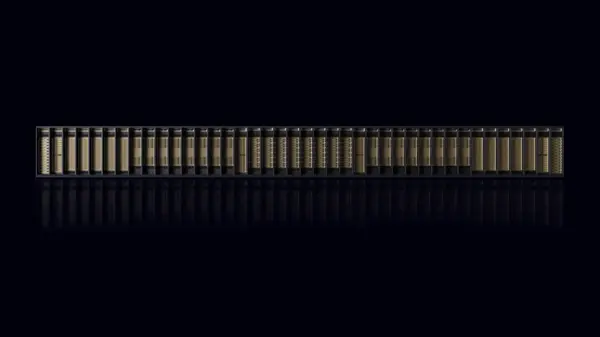
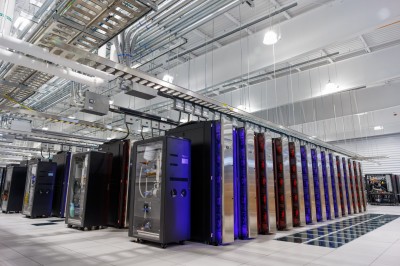
The technical backbone of this breakthrough is the Nvidia Vera Rubin, a supercomputer equipped with 36 Vero CPUs and 72 Rubin GPUs, boasting 54 terabytes of CPU memory and 20.7 terabytes of GPU memory. The system’s immense processing power enables it to create complex video frames almost instantaneously. As hardware capabilities continue to advance, the barriers that currently limit access to such technology may quickly diminish.
While the rollout of this technology remains confined to controlled environments and professional use cases, its availability to the general public appears inevitable. As the lines continue to blur between genuine and artificially generated content, society may need to grapple with the implications of such advancements sooner rather than later.
In summary, Runway’s latest demonstration embodies both the promise and peril of real-time AI video generation. As we stand on the brink of a new era in digital content creation, it is crucial to remain vigilant about the ethical considerations and potential societal impacts of this rapidly evolving technology.
See also Germany”s National Team Prepares for World Cup Qualifiers with Disco Atmosphere
 95% of AI Projects Fail in Companies According to MIT
 AI in Food & Beverages Market to Surge from $11.08B to $263.80B by 2032
 Satya Nadella Supports OpenAI’s $100B Revenue Goal, Highlights AI Funding Needs
 Wall Street Recovers from Early Loss as Nvidia Surges 1.8% Amid Market Volatility