
















































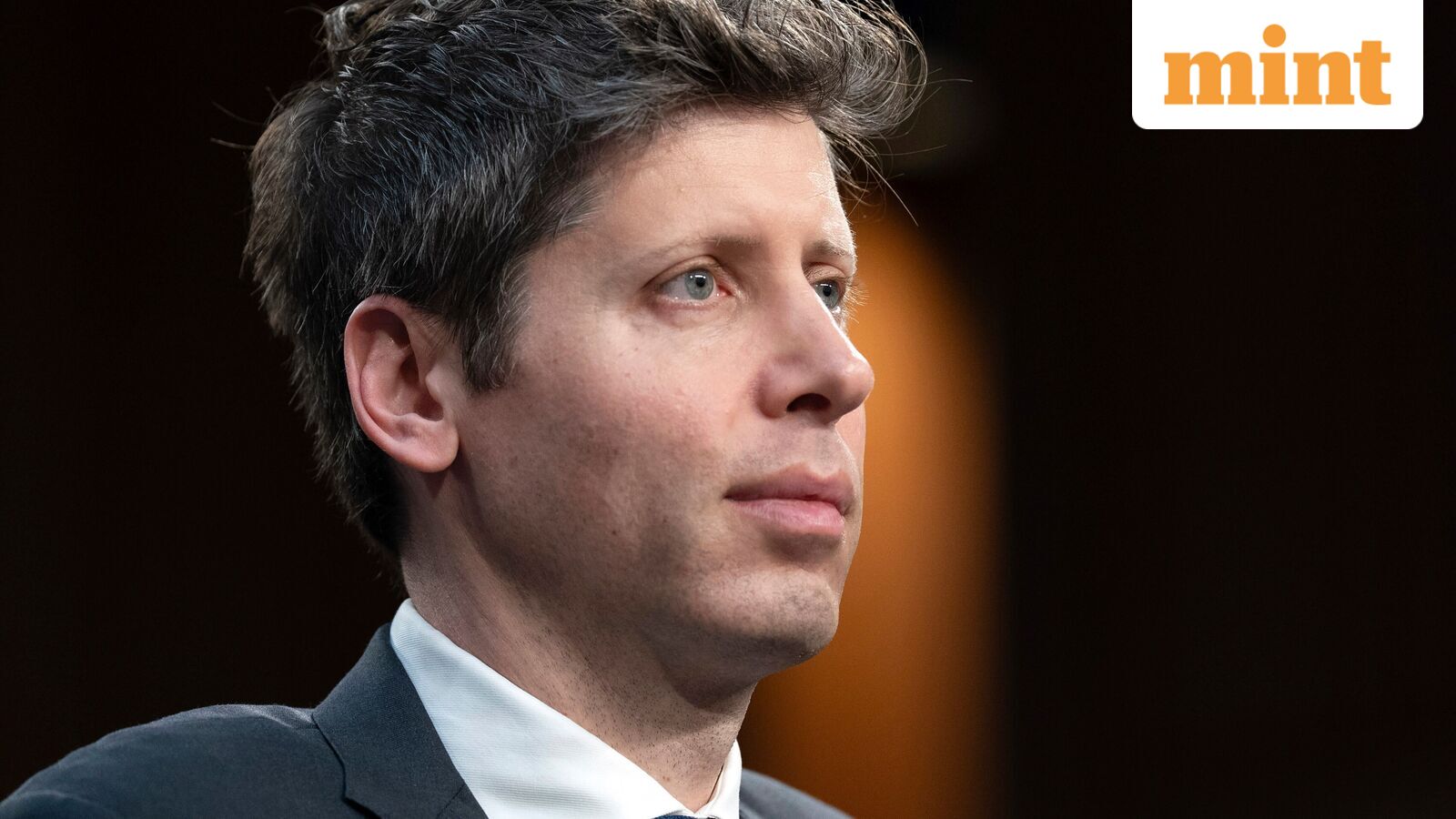
OpenAI CEO Sam Altman has indicated that the next significant advancement in artificial intelligence (AI) will not stem from enhanced reasoning capabilities, but rather from a more fundamental aspect: memory. In a recent podcast with technology journalist Alex Kantrowitz, Altman discussed a future where AI systems can retain and learn from extensive personal data throughout an individual’s life, fundamentally altering the concept of digital personal assistants.
Altman noted that while current AI tools are adept at reasoning tasks, they are limited in their ability to recall long-term information. He argued that humans excel as personal assistants due to their understanding of context and nuance, yet they struggle with consistent memory retention. In contrast, he emphasized that AI could overcome this limitation, providing an opportunity to develop systems that remember everything a user has shared over time, from conversations and emails to documents and preferences. Such persistent memory could enable AI to discern patterns and needs that users themselves might never articulate.
He revealed that OpenAI is actively pursuing this vision, suggesting that more advanced, memory-driven personal assistants could begin to materialize as soon as 2026. This concept of persistent memory, according to Altman, marks a pivotal moment for consumer AI. Instead of merely responding to isolated prompts, future systems could provide deeply personalized results shaped by years of accumulated context.
Altman envisions a shift from AI being a reactive tool to one that is proactive, capable of anticipating user needs and tailoring responses with a precision that current systems cannot achieve. This transformation reflects a broader conversation about OpenAI’s long-term strategy, which also includes plans for infrastructure expansion and AI-powered devices, ultimately aiming for the development of artificial general intelligence.
During the podcast, Altman addressed reports of internal “code red” alerts at OpenAI, which have been triggered by escalating competition within the AI sector. He framed these situations not as panic but as a strategic measure to remain vigilant and responsive. Altman suggested that being cautious and swift in addressing credible threats is beneficial for the organization, a sentiment echoed by similar situations earlier this year when new competitors like DeepSeek emerged.
He cautioned that such internal alarms will likely become a recurring aspect of OpenAI’s operations, possibly occurring once or twice annually, as the company strives to maintain its competitive edge in a rapidly evolving market. While emphasizing the importance of excelling in its core areas, he acknowledged that other firms can also succeed alongside OpenAI.
In a separate development, Altman has piqued online curiosity with a festive surprise for ChatGPT users. Over the weekend, he posted a cryptic message on X, encouraging interaction with the chatbot through a single emoji. Users soon discovered that sending a gift emoji to ChatGPT unlocked a hidden Christmas-themed interaction, prompting them to upload or take a selfie. This request is then processed by Sora, OpenAI’s video generation tool, which creates a short, personalized Christmas video.
The festive message is customized using details that ChatGPT has learned from previous user interactions, offering a preview of the personalized experiences that advanced AI memory could one day make commonplace. Altman’s initiatives reflect both a keen awareness of user engagement and a forward-looking approach to the capabilities of AI.
AI’s future breakthroughs will focus on memory capabilities rather than reasoning, enhancing personalization in AI interactions to make them more relevant. With OpenAI positioning itself to lead in the AI sector amidst increasing competition, the implications of these memory-driven advancements could redefine how users engage with technology.
See also Google’s Nano Banana Pro Dominates AI Image Generators, Scoring 93% in 2025 Tests
 Google Cloud and Al Jazeera Launch ‘The Core’: A Transformative AI-Powered Journalism Model
 Wealthy Elites Use AI to Consolidate Power, Warns Sociologist Tressie McMillan Cottom
 Shield AI’s New CEO Gary Steele Aims for $1B Revenue by 2028, Targets Global Defense Contracts
 AI Infrastructure Scrutiny and $10B Google-Palo Alto Deal Shape Holiday Trading Landscape