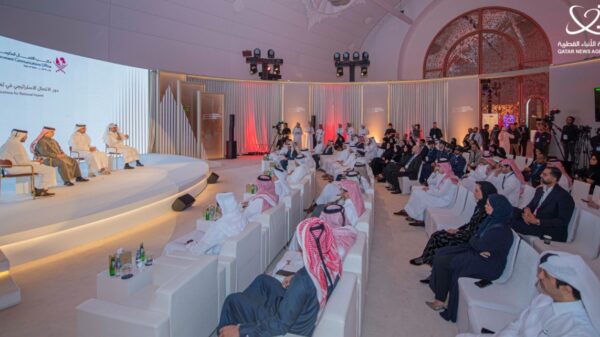































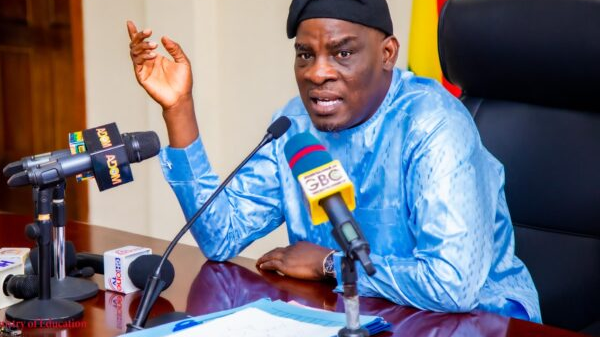













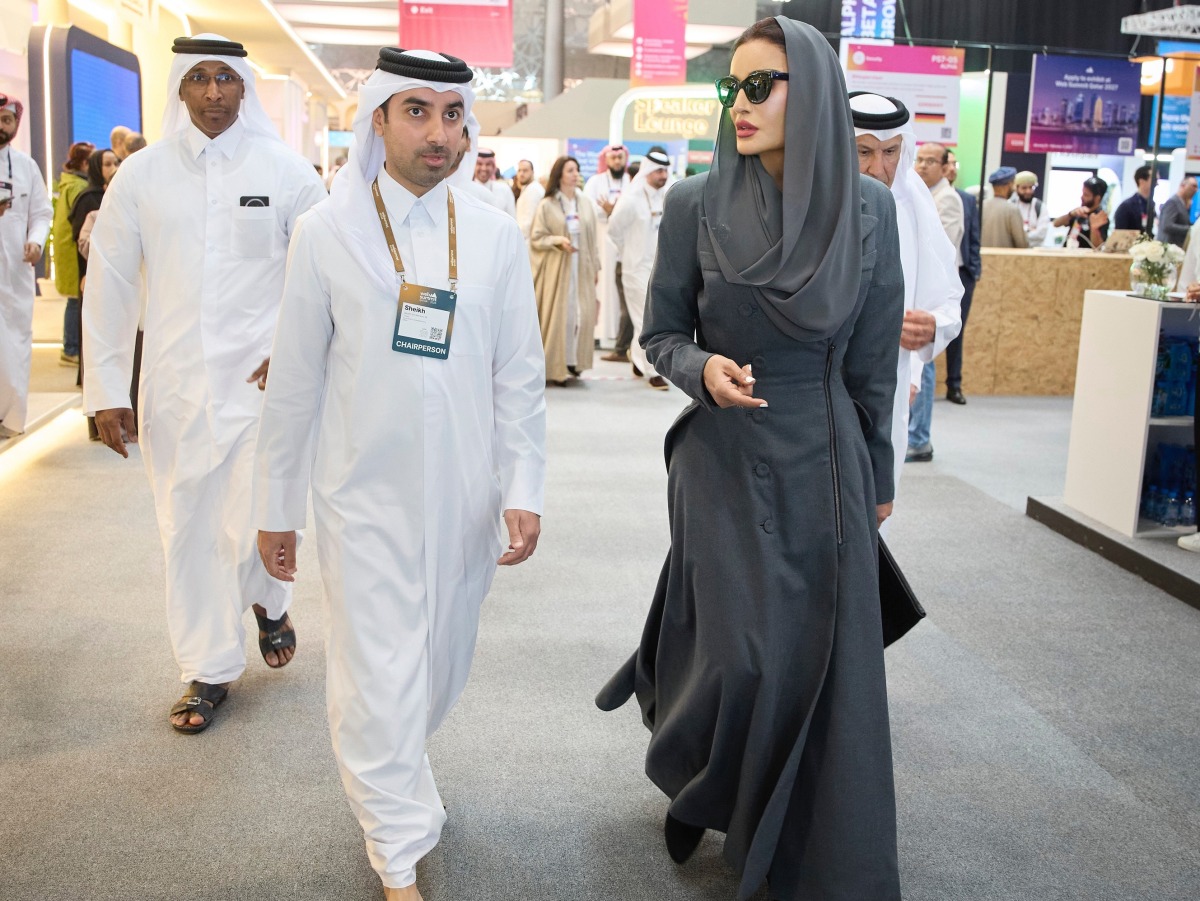
Doha, Qatar: H H Sheikha Moza bint Nasser, Chairperson of Qatar Foundation, delivered a significant address at the opening session of Web Summit Qatar 2026 on October 17, highlighting the rapid advancement of artificial intelligence (AI) and the necessity of grounding technological innovation in human values, ethics, and accountability.
Under the theme “Human First: Re-centering Ethics in the Age of Artificial Intelligence,” Sheikha Moza emphasized the importance of responsible, human-centered leadership and a long-term vision to shape the future of technology, rather than simply reacting to its fast-paced evolution. She noted Qatar’s transformative shift from an oil and gas-centric economy to one focused on knowledge and innovation, reiterating the country’s ambition to emerge as a global leader in technology.
Addressing a packed audience, Sheikha Moza stated, “Our conviction in safeguarding the distinct identity of our language, amid the unprecedented transformations the world is witnessing, is in harmony with our commitment to cultural diversity within the field of technology; for technology was never the child of a single civilisation, destined to remain its exclusive inheritance.”
She expanded on this idea, explaining that solutions arising from diverse local needs can gain global significance when empowered by technology. “They can transform from isolated national or institutional efforts into genuine shared creativity that transcends regions, disciplines, and sectors,” she added.
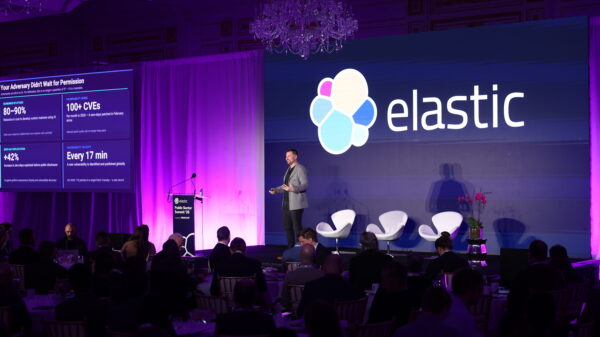
Over the course of four days, the third edition of Web Summit Qatar attracted 30,274 attendees from 127 countries, featuring 1,637 startups and 931 investors, alongside 427 speakers covering a wide array of topics including AI, tech geopolitics, and the creator economy. The event also welcomed 22 government delegations and hosted 180 AI-driven meetups, highlighting diversity with 38% of startups being women-founded.
While reaffirming the critical role of innovation and partnerships, Sheikha Moza cautioned that enthusiasm for technological progress must be guided by ethics. “I speak today not to unsettle your enthusiasm for the future, nor to impede crucial partnerships between major technology companies and large-scale investments. Rather, it is a call for enthusiasm for technology to be guided by critical awareness and illuminated by moral insight,” she remarked.
A focal point of her speech was the role of language, particularly Arabic, in shaping values and identity in the digital age. Sheikha Moza described the Arab world as at a pivotal moment, where resources alone are inadequate for progress. “What is required today is the building of trust between minds and institutions and faith in the Arabic language and in the creative power it has enabled through the ages,” she said, warning that “today, Arabic fights its decisive battle on the frontlines of technology.”
She continued, “This battle is not over tools but over meaning, identity, and the power to persist. Should the Arabic language be defeated in this era, it will not be only a linguistic defeat, but a defeat for all that this language represents in terms of identity, culture, memory, spirit, and civilisation.”
Sheikha Moza emphasized that safeguarding language is crucial for cultural continuity and self-driven development, asserting that no nation can thrive without mobilizing its intellectual and creative capacities through collective will.
Turning to investment and leadership, she reiterated Qatar’s commitment to transitioning from an oil and gas-based economy to a knowledge-based one, expressing confidence in the nation’s potential to lead in technology and innovation. “I am convinced that, today, we are more ready than ever to be pioneers in the field of technology, and I believe that Qatar is the most reliable place for technology investment,” she stated.
She highlighted Qatar’s investments in education and scientific research as key factors in earning the world’s trust, pointing to its transparent legal framework and clear ethical standards that position the nation favorably for global partnerships. “This is a call to invest in a web of research built on global partnerships, not to humanize technology, but to humanize its uses,” she added.
Addressing the growing influence of AI across various sectors, Sheikha Moza warned of the ethical risks associated with sidelining core values. “Artificial Intelligence itself is not the threat,” she asserted. “The threat is the absence of conscience that directs it.”
The summit underscored Qatar’s commitment to becoming a hub for technological innovation, as Sheikha Moza called for a balance between tech enthusiasm and moral responsibility, urging collaboration that prioritizes human values in an age marked by rapid technological evolution.
See also LG AI Research Patents Exaone Discovery, Revolutionizing AI-Driven Materials and Drug Development
 AI Experts Predict Transformative Changes in AI’s Impact on Jobs, Health, and Creativity by 2028
 Xero Reports 2M AI Users, Secures Melio Integration, Targets FY28 Profitability
 AI-Optimized Middle-Mile Linehaul Platforms Market to Surge 244% by 2035, Driven by E-Commerce Demand
 Nvidia Establishes $105M Taipei HQ to Secure AI Chip Supply Amid TSMC Demand Surge