








































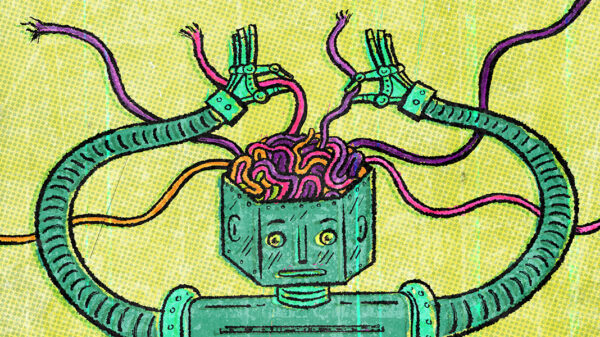







As chatbots become increasingly popular among teenagers, concerns over their impact on privacy and emotional well-being are emerging. Many young users are drawn to these AI companions for the comfort and anonymity they offer. However, experts warn that companies may use these interactions to enhance their AI training, potentially compromising user privacy.
Quentin, a teenager who has turned to chatbots for support, exemplifies the dual-edged nature of this technology. While he has found solace in conversations with AI, others are struggling to manage their usage, raising alarms among parents and caregivers. Mitch Prinstein, co-director of the Winston Center on Technology and Brain Development at the University of North Carolina at Chapel Hill, advises parents to be vigilant. “If you think your child is not talking to chatbot companions, you’re probably wrong,” he states, highlighting the prevalence of these digital interactions.
As debates surrounding technology’s impact on youth evolve, the role of chatbots in mitigating loneliness is becoming more pronounced. Some experts argue these AI tools can provide much-needed companionship for young people who may feel isolated. However, the potential for emotional harm cannot be overlooked. Prolonged reliance on chatbot interactions may lead to unhealthy coping mechanisms, complicating users’ ability to engage in meaningful relationships with peers.
The legal landscape is also shifting as authorities and advocacy groups raise questions about the ethical implications of using personal conversations to train AI systems. Many companies emphasize their commitment to user privacy, yet the extent to which data is anonymized and protected remains a contentious issue. This uncertainty may further deter parents from embracing chatbot technology for their children.
As the conversation continues, experts urge a balanced approach. They acknowledge the benefits that chatbots can provide while cautioning against overdependency. “These bots can help with loneliness but may also cause emotional harm if overused,” says Prinstein, underscoring the necessity for moderation. Parents are encouraged to engage in open discussions with their children about their interactions with these digital entities, fostering a better understanding of the technology.
The growing popularity of chatbots among teenagers reflects broader societal shifts towards digital solutions for emotional challenges. In a time when social media usage is under scrutiny, the allure of a non-judgmental AI companion may be particularly appealing. However, the implications of this trend extend beyond individual experiences, raising questions about the future of human interaction in an increasingly digital world.
As the landscape of technology continues to evolve, the role of chatbots will undoubtedly be a pivotal aspect of discussions on youth engagement and emotional health. Encouraging responsible usage and promoting awareness of the potential pitfalls will be essential as society navigates this complex intersection of technology and well-being.
See also DeepMind’s Founders Use Poker Tactics to Secure $500M Google Acquisition
 Germany”s National Team Prepares for World Cup Qualifiers with Disco Atmosphere
 95% of AI Projects Fail in Companies According to MIT
 AI in Food & Beverages Market to Surge from $11.08B to $263.80B by 2032
 Satya Nadella Supports OpenAI’s $100B Revenue Goal, Highlights AI Funding Needs