
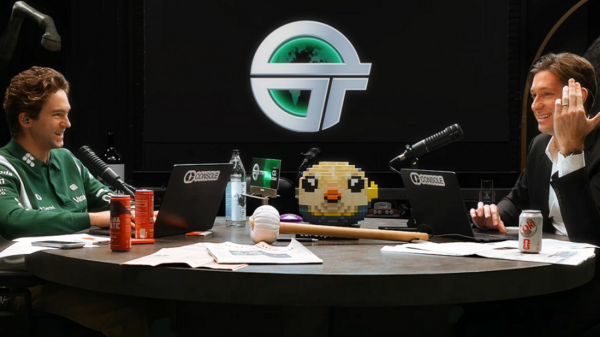

















































In a recent interview on Bitcoin Capital, Tether CEO Paulo Ardoino shared his insights regarding the future of Bitcoin, specifically focusing on the year 2026. He highlighted potential risks to Bitcoin’s price, emphasizing the evolving dynamics of the market that could impact its trajectory.
During his discussion with Jesse Knutson, Head of Operations at Bitfinex Securities, Ardoino expressed concerns that a potential burst of the artificial intelligence (AI) bubble could lead to significant turmoil in U.S. stock markets. He pointed out that Bitcoin’s correlation with traditional capital markets has not diminished, making it susceptible to broader market volatility.
Ardoino noted an influx of investment from AI companies into infrastructure projects such as data centers and GPUs. He warned that a shift in sentiment within this sector might precipitate corrections in Bitcoin’s price. Nevertheless, he remained optimistic about the institutional interest in Bitcoin from various funds, pension plans, and governmental entities, suggesting that this interest could provide a stabilizing effect on its price.
The Tether CEO indicated that extreme price drops, similar to the 80% declines witnessed in 2018 and 2022, are less likely to occur in the current environment. He attributed this to the reduced block reward from the latest Bitcoin halving, which lowers sell pressure from miners, combined with the increasing importance of exchange-traded fund (ETF) flows.
Ardoino also touched upon recent approvals from the Commodity Futures Trading Commission (CFTC) for Bitcoin spot products, which he believes could enhance liquidity in the market and elevate Bitcoin to a status akin to gold in global finance.
On another note, Ardoino remarked that Tether Gold (XAUT) recently saw its market capitalization double, fueled by strong demand from both institutional and retail investors in regions like South America and Southeast Asia. He highlighted a notable purchase of $150 million in XAUT by a U.S.-listed company, positioning Tether Gold as a viable savings tool alongside Bitcoin.
Commenting on Bitcoin treasury companies, such as the upcoming 21, Ardoino advocated for sustainable operations rather than mere financial engineering. He praised industry figures like Michael Saylor and Jack Mallers for their innovative approaches to the cryptocurrency landscape.
Moreover, Ardoino noted promising regulatory developments in smaller nations such as El Salvador and Georgia. In contrast, he criticized Europe for its high tax burdens, which discourage direct ownership of Bitcoin among consumers.
Despite some of these challenges, Ardoino expressed a bullish outlook on the potential for tokenization through Bitfinex Securities, which enables capital raises and democratic access to investment. He acknowledged that while sovereign adoption may be limited, there are signs of progress with mining investments in resource-rich countries in the Middle East.
In conclusion, Ardoino urged a pragmatic approach to Bitcoin investment, emphasizing the importance of education and hedging strategies. He believes these elements will be crucial for navigating a future where Bitcoin continues to thrive amidst a rapidly shifting technological landscape.
See also Senate Passes AI Civil Rights Act of 2025: New Regulations Impact GOOGL, MSFT, AMZN, and FB
 Tesla’s FSD Launches in UAE by January 2026, Achieves Low Hallucination Rate
 Factchequeado Invites Latino Media to Apply for $3,000 AI Training Grants by Jan 12, 2026
 Sam Altman: AI’s Next Leap to Superhuman Memory Expected by 2026 Amidst Fierce Competition
 Amazon Blocks AI Shopping Bots Amid Growing Competition for E-Commerce Control