







































Exploring AI’s Future Through Film
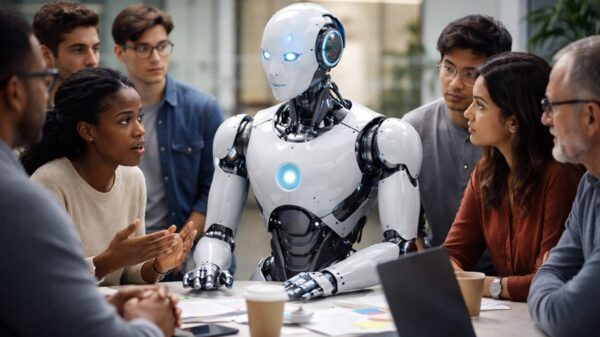
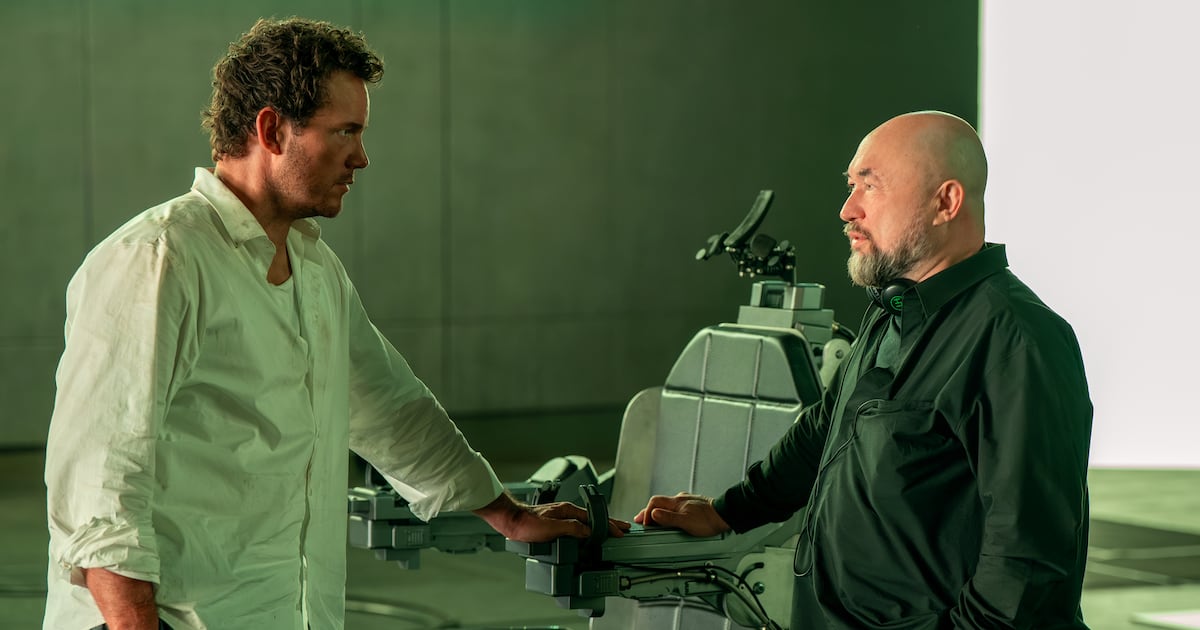
Timur Bekmambetov, the director of Mercy, recently expressed a compelling perspective on artificial intelligence: “AI is not programmed – it’s grown.” This view underscores the notion that current AI models are still in their formative stages, akin to children. In an interview with The National, Bekmambetov emphasized the responsibility of those developing AI systems, likening their role to that of parents. “We should be like parents,” he stated. “The kind that try not to scream at each other – not to lie in front of the kids, not to show them our bad behaviour.”
However, Bekmambetov believes humans have not yet fulfilled that parental role effectively. “We can’t change ourselves so quickly,” he remarked, acknowledging the complexities of human nature. This philosophy shapes the narrative of Mercy, where Chris Pratt stars as a detective navigating a dystopian future. In this world, the most notorious criminals are judged by an AI system, given just 90 minutes to argue their innocence before a predetermined execution.
The plot thickens when Pratt’s character, accused of murdering his wife, finds himself in the same high-stakes situation he investigates. The system, originally designed to ensure no one survives, begins to adapt as it observes the detective’s actions. “I think right now it’s very important to create content that begins a dialogue between us and the machines,” Bekmambetov stated, highlighting the film’s aim to foster communication between humans and AI.
Bekmambetov envisions a future where AI will play a pivotal role in society. “I believe that in the future, AI will control the world,” he predicted, half-jokingly suggesting he might receive a message from an AI affirming his past support. This sentiment, though laced with humor, carries an undercurrent of anxiety about the future. “It’s a darkness,” he admitted. “We know nothing about the world in which we will co-exist with that digital species.” As a parent, he finds it challenging to imagine what life will be like for his young son in a decade dominated by AI.
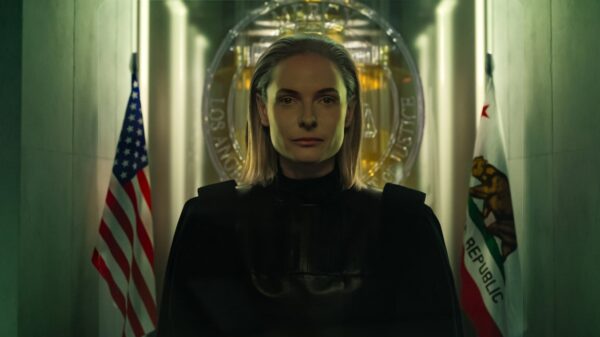
This uncertainty reinforces Bekmambetov’s belief in the importance of art and storytelling. “AI can’t tell the difference between what’s reality and what’s content,” he said, stressing the need to provide it with narratives that reflect humanity’s best traits. To this end, the film portrays its AI character through human performance, casting Rebecca Ferguson in the role. Bekmambetov sees this approach as a means to explore how a human might interpret the logic of an algorithm.
The AI in Mercy evolves alongside Pratt’s character, recalibrating its responses based on observed behavior. This evolving relationship mirrors the film’s broader narrative, where realism is paramount. The entire film was shot with an emphasis on immediacy, using techniques such as long, uninterrupted takes and live connections between actors filmed on separate sound stages. Bekmambetov likened this method to theater, where the continuity of performance enhances emotional chemistry.
Despite its ambitious scope, Mercy was completed in just six weeks. Utilizing advanced virtual production technology, the film captures a hyper-real aesthetic, establishing a sense of documentation. Bekmambetov’s exploration of the screenlife genre represents a growing interest in innovative storytelling methods. “What appears on screen should feel like documentation,” he remarked.
As Bekmambetov looks to the future, he plans to expand his efforts in the United Arab Emirates through the Screenlife Accelerator program. The initiative aims to nurture emerging filmmakers and innovative projects, highlighting the region’s burgeoning creative landscape. “We selected eight projects in the first phase,” he noted, with future announcements on those moving into production anticipated soon.
In addition to the accelerator, Bekmambetov is launching a new UAE-based company, Narrativity, to serve as a hub for innovation-driven projects in screenlife and AI storytelling. “The idea is for it to become a base,” he explained, positioning the company as an international platform for scaling unique storytelling formats.
For Bekmambetov, the UAE represents a fertile ground for creative experimentation. “There’s ambition and there’s a feeling of renewal,” he concluded. “It’s an ancient civilization, but it feels like a reset.” As projects like Mercy continue to explore the intricate relationship between humans and technology, they may help shape the narrative of our shared future.
Mercy is currently in theaters across the UAE.
See also Alphabet’s AI Surge: Analysts Boost Targets as Waymo Expands in Competitive Market
 Meta Bans Teen Access to AI Characters Amid Safety Concerns, Prioritizes Parental Controls
 Baidu’s Robin Li Forecasts AI Revolution: Strategic Shifts for 2025 and Beyond
 Unlock AI Success: Key Criteria for Choosing a Top-Tier Visibility Agency Today
 Korean Government Investigates Elon Musk’s Grok Over 23,000 Deepfake Images of Minors