After extensive testing of various AI video platforms, it is evident that PixVerse is a viable option for those new to text-to-video generation. The platform serves as an excellent entry point for quick experiments and basic learning in AI video creation. However, it falls short for users aiming to produce character-driven content, scale their production, or collaborate with clients. The reliance on Discord, lack of advanced character consistency features, and insufficient resolution and creative control make it less suitable for professional use.
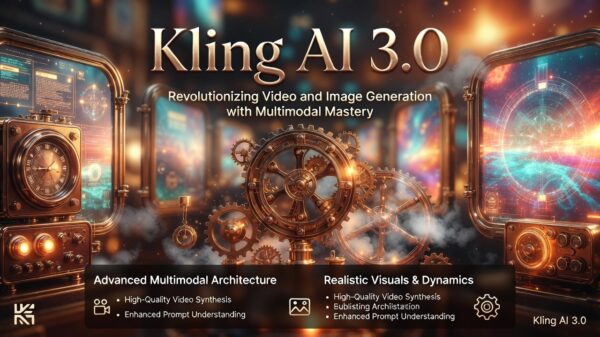
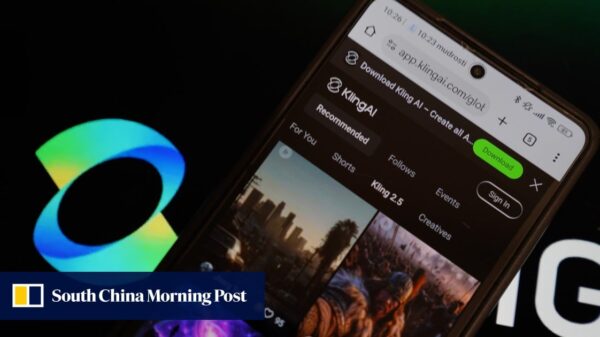
For creators focused on engaging character videos, commercial-grade content, or sustainable workflows, several alternatives stand out. Among these, SoulGen AI excels in character video creation and animation, while Runway ML offers superior capabilities for commercial projects. Kling AI is noted for its cinematic motion and realistic video generation, and Luma Dream Machine allows for exceptional creative prompting and natural motion. Lastly, Synthesia remains the go-to platform for corporate training and avatar-based content.
While PixVerse excels at basic tests, it lacks the comprehensive features required for professional character animations. In contrast, SoulGen AI is distinguished by its focus on character-driven content, maintaining identity consistency across video generations. Runway ML is recognized for its commercial-quality output, offering full licensing rights necessary for business applications. Kling AI has made significant strides in motion quality and speed, while Luma Dream Machine stands out for its innovative natural language prompting capabilities. Synthesia, though limited creatively, is well-equipped for corporate and training videos.
When considering alternatives to PixVerse, it is essential to match the tool with your content needs. If lifelike character videos with identity consistency are required, SoulGen AI is the top choice. For commercial-grade productions, Runway ML is the standard bearer. Kling AI is particularly effective for projects that require cinematic quality, while Luma Dream Machine offers more creative control through keyframing. For corporate training and avatar content, Synthesia remains the reliable option.
Ultimately, selecting the right platform depends on your specific goals and creative requirements. Exploring free plans may help in determining which platform aligns best with your workflow. However, for those committed to a long-term content strategy, investing in the most suitable tool from the outset is advisable.
See also AI Surge Drives 17% Market Gains in 2025 Amid Bubble Concerns and Regulatory Challenges
 Massive Chrome Extension Data Breach Targets 900,000 Users of ChatGPT and DeepSeek
 U.S. Faces AI Showdown with China: Leadership Crucial for Global Values and Security
 Half of Young Adults Use AI for Mental Health Support, Raising Privacy Concerns