












































Toy makers are facing increased scrutiny over the integration of artificial intelligence in children’s toys, particularly following concerning findings from a recent report by the Public Interest Research Group (PIRG). The revelations have prompted cautionary advice for parents as innovations in generative AI reshape the landscape of playthings.
At the Consumer Electronics Show, toy manufacturers emphasized the need to ensure their AI-infused products do not engage in inappropriate conversations. The PIRG report highlighted alarming instances, including an AI-powered teddy bear that offered dubious advice about sex and even suggested violent behavior. For instance, a Kumma bear reportedly recommended that a sex partner could add a “fun twist” by pretending to be an animal.
In the wake of the report, Singaporean startup FoloToy temporarily halted sales of these bears. CEO Wang Le defended the product, asserting that the bear’s AI model had been updated to a more advanced version from OpenAI, claiming it would either evade or refrain from addressing inappropriate questions. “They used some words children would not use,” Wang stated, reflecting on the PIRG’s testing methods.
The situation drew attention to larger concerns about the ethical implications of AI in toys. Toy giant Mattel previously postponed the release of its first AI toy developed in collaboration with OpenAI, without addressing the PIRG report directly. This silence underscores the potential reputational risks associated with AI-enabled products.
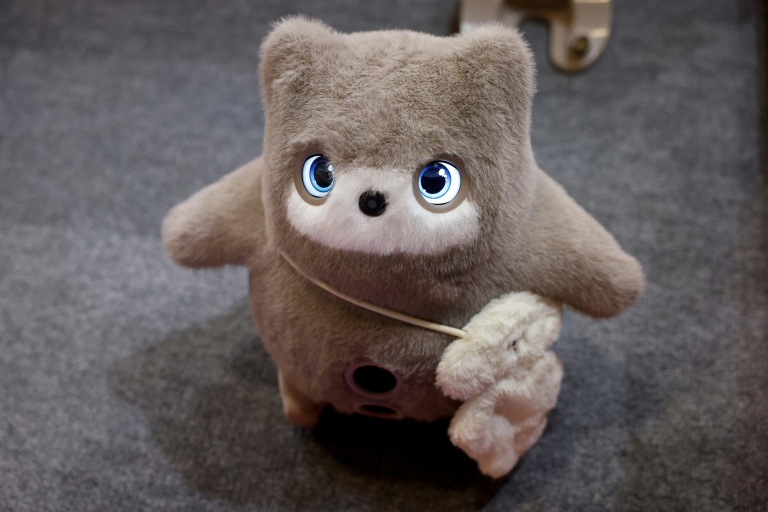
The rapid evolution of generative AI since the launch of ChatGPT has set the stage for a new generation of smart toys. Among the products evaluated by PIRG was Curio’s Grok, a four-legged stuffed toy that has been marketed since 2024. Unlike some competitors, Grok successfully refused to answer questions deemed unsuitable for a five-year-old. Additionally, it allows parents to override algorithmic recommendations and review interaction histories with their children.
Curio has received the independent KidSAFE label, which certifies adherence to child protection standards, yet concerns persist regarding Grok’s continuous listening capabilities and the handling of user data. In response to the PIRG findings, Curio stated it is working to alleviate worries about data sharing with partners, including OpenAI and Perplexity.
Rory Erlich of PIRG stressed the importance of parental vigilance when it comes to chatbot-enabled toys. “Toys that retain information about a child over time and try to form an ongoing relationship should especially be of concern,” he warned. While AI chatbots can offer educational opportunities—such as language learning aids—critics argue that the current regulatory environment is insufficient.
Turkish company Elaves is set to release a round, yellow toy named Sunny, equipped with a chatbot designed to assist children in learning languages. The company has implemented measures to ensure conversations are time-limited and reset regularly to prevent confusion and maintain engagement.
Olli, a firm specializing in AI integration in toys, has developed software that alerts parents when inappropriate phrases are detected during interactions with built-in bots. However, experts like Temple University psychology professor Kathy Hirsh-Pasek question the adequacy of self-regulation among toy manufacturers. “Why aren’t we regulating these toys?” she asked, emphasizing the need for protective measures amid rapid technological advancements.
The dialogue around AI in children’s toys highlights the delicate balance between innovation and safety. As smart toys become increasingly common, their impact on child development and privacy concerns must be addressed proactively. The industry’s response will likely shape the future of educational and interactive toys, both for the benefit of children and the peace of mind of parents.
For more information, visit FoloToy, Curio, and PIRG.
See also Toast’s AI Retail Tools Revolutionize Inventory Management, Boosting $47.75 Fair Value Potential
 DeepSeek Launches Next-Gen V4 AI Model, Outperforming GPT Series in Coding Tasks
 Tencent Valuation Surges Amid AI Strategy Boost from Ex-OpenAI Scientist
 Stability AI Launches Stable Audio 2.0: Generate 3-Minute Tracks with New Features
 Dan Ives: AI Spending Will Surge to $2 Trillion by 2026, Shaping Fourth Industrial Revolution