









































U.S. Economic Outlook Amid Uncertain Landscape
The U.S. economy finds itself at a crossroads as it heads into 2026, marked by a mix of solid growth fueled by consumer spending and rising real wages, juxtaposed against heightened concerns over inflation, a weakening job market, and the impacts of an evolving artificial intelligence landscape. The Federal Reserve’s interest rate decisions, driven by the dual mandate to maintain maximum employment and stable prices, will be critical in navigating this complex scenario.
Last year saw a resilient economy, with growth mainly supported by robust consumer activity. However, the backdrop was riddled with uncertainty, stemming from a new tariff regime, escalating budget deficits, and rising costs of living, which have resulted in increased consumer anxiety. As focus shifts toward 2026, the implications of these factors will shape economic policy and performance.
As the Fed contemplates its next moves in interest rates, it faces a challenging dual mandate. With inflation rates still hovering above the targeted 2 percent, and a notable softening in the job market, the risk of stagflation looms large. This rare economic condition, characterized by stagnant growth coupled with high inflation and unemployment, complicates the Fed’s decision-making process. Economists predict that market expectations may lead to two 25-basis-point cuts later this year, but clarity on the economic trajectory will remain elusive until data begins to stabilize.
The political landscape is also poised for a shift, particularly with the expiration of Fed Chair Jerome Powell’s term in May 2026. Former President Trump has openly criticized Powell, asserting that his successor needs to align with his agenda for significantly lowering interest rates. However, whether a new chair can unilaterally steer the Fed remains in question, particularly as Powell’s ongoing tenure as a Fed governor lasts until 2028, potentially keeping him within the loop during critical decisions.
Meanwhile, Trump’s tariff policy has significantly reshaped the trade environment. By increasing the effective tariff rate from 2.1 percent to an estimated 11.7 percent, the administration has inadvertently raised consumer prices, contributing to inflation forecasts. A recent report by Goldman Sachs suggests that these tariffs could elevate inflation by 1 percent in the coming months. Although narrowly targeted tariffs can address unfair trade practices, broad tariffs have led to higher costs for consumers and hindered domestic production, contradicting the administration’s goal of revitalizing manufacturing jobs.
The Supreme Court’s impending ruling on the legality of these tariffs could provide the administration with an exit strategy if the verdict leans against them. Despite past opportunities to roll back tariffs, the administration seems poised to maintain its course, having utilized tariffs as leverage in international negotiations.
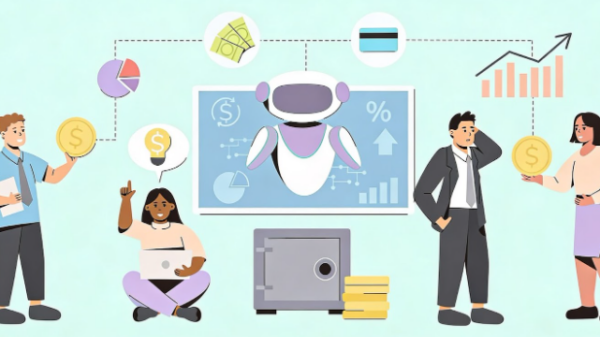
The impact of artificial intelligence on the workforce also remains a contentious topic. Despite optimistic forecasts from AI executives regarding the integration of AI agents into the workforce, progress has been uneven. Many businesses have yet to transition from experimental AI pilot projects to full enterprise adoption, and the effects on job markets have been limited. Although there is evidence of higher unemployment rates among workers in less AI-exposed occupations, the overall impact on labor markets has been subdued, suggesting that other economic factors are at play.
The labor market itself faces significant challenges, with job openings declining and hiring slowing. Though wage growth continues to outpace inflation, the overall employment landscape appears precarious. Forecasts for 2026 suggest modest growth with unemployment stabilizing around 4.5 percent, but the potential for further job losses looms as AI technologies may increasingly influence employer decisions.
Health care costs are becoming a central issue in political discourse, particularly following the decision not to extend enhanced Affordable Care Act (ACA) subsidies, resulting in doubled premiums for approximately 20 million Americans. This decision could have significant political ramifications, reminiscent of past electoral cycles where healthcare played a crucial role in shaping voter sentiment.
As affordability emerges as a dominant concern for Americans, the administration’s ability to address rising costs in housing, health care, and utilities will be scrutinized. The rising electricity prices, which have surged post-pandemic, are particularly troubling, with states like California witnessing nearly doubled rates. Policymakers are considering various options to alleviate the financial burden on consumers, including potential utility cost freezes.
In conclusion, as the U.S. economy navigates this tumultuous period, the interplay of federal policy decisions, evolving market dynamics, and the implications of technological advancements will be pivotal in determining economic outcomes in 2026. The challenges are significant, but so too are the opportunities for adaptation and growth in an increasingly complex economic landscape.
See also Informatica Surges as 69% of Enterprises Adopt Generative AI; Salesforce Acquisition Looms
 Amazon Plans $50B OpenAI Investment While Cutting 16,000 Jobs to Streamline Operations
 AI and Geopolitics to Drive M&A Surge in 2026, Bain Reports Significant Shifts
 AI Fund Fuels $20M for 12 Pioneering Projects Transforming Health, Food, and Biodiversity
 China Grants DeepSeek Conditional Access to Nvidia’s H200 AI Chips Amid Regulatory Shift