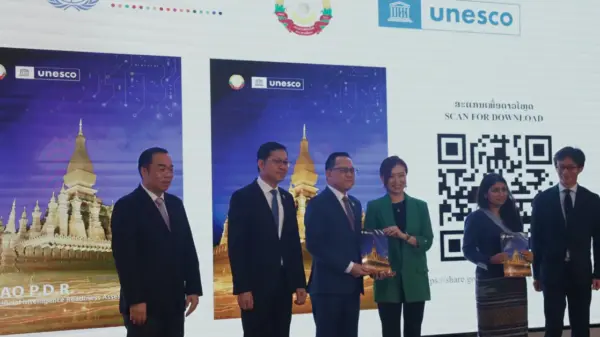










































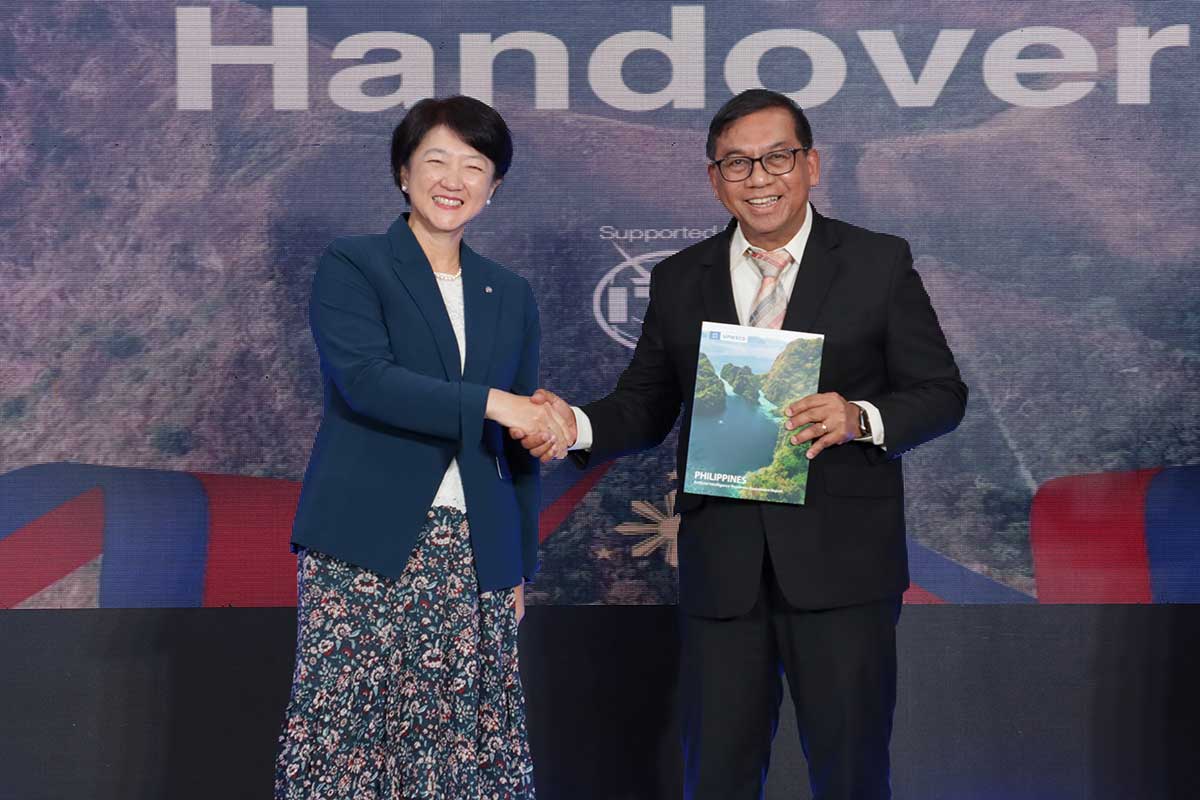
MANILA – UNESCO, in collaboration with the Philippine government, has unveiled the AI Readiness Assessment Report, marking a pivotal advancement in the country’s ethical governance of artificial intelligence. This report is anticipated to enhance the ongoing development of the National AI Strategy for the Philippines and other initiatives aimed at ensuring responsible AI oversight. The formal handover occurred between UNESCO Director and Representative to the Philippines Maki Katsuno-Hayashikawa and Secretary of Science and Technology Renato Solidum Jr..
The assessment methodology was developed following a series of policy consultation workshops conducted from September 2024 across the three major island groups of the Philippines: Luzon (Manila), Visayas (Cebu), and Mindanao (Davao). These workshops convened professionals from various sectors to evaluate the nation’s AI landscape across five dimensions: legal/regulatory, socio-cultural, economy, scientific and educational, and technical/infrastructural.
Katsuno-Hayashikawa emphasized the importance of embedding ethics at the core of AI governance, stating, “It is what allows technology to remain connected to humanity and enables us to use knowledge as a force for inclusion and sustainable development.” She appreciated the collaboration with national partners, asserting that they have laid down a path forward for a transformative and inclusive AI ecosystem.
Secretary Solidum echoed this sentiment, highlighting the opportunities AI presents for the Philippines. “Through the National AI Strategy for the Philippines (NAIS Ph), we will ensure that AI innovation is accessible, ethical, and responsive to real societal needs. We warmly welcome the UNESCO AI Readiness Assessment Report and look forward to the strategic and inclusive collaborative efforts that will make the Philippines AI-ready,” he stated.
UN Philippines Resident Coordinator Arnaud Peral noted the potential of AI technologies to accelerate the country’s development trajectory while stressing the need for inclusiveness. “The Philippines stands at an inflection point as it carves the AI future it wants. Harnessing AI responsibly can unlock opportunities across sectors, but it is imperative that no one is left behind,” he warned.
The report identifies critical areas for the Philippines’ AI readiness, noting the need for a dedicated lead agency to consolidate national AI governance efforts. To bridge existing regulatory gaps, it suggests leveraging existing regulations, such as the Data Privacy Act of 2020 and the Cybercrime Prevention Act of 2012.
Additionally, the report cites a lack of affordable and reliable broadband internet as a hindrance to raising digital competency effectively. Despite these challenges, the Philippines has made strides in narrowing gender disparity and raising awareness about AI ethics across government, industry, academia, and civil society. However, public trust in AI technologies remains mixed, with concerns surrounding job displacement, explainability, transparency, regulatory compliance, and data misuse.
The national AI market is projected to reach $3.4877 billion by 2030, with substantial adoption in the private sector driven by optimism about productivity gains. Yet, to sustain growth and enhance global competitiveness, the country needs to improve its domestic innovation capacity.
In terms of policy recommendations, the report advocates for embedding ethics in AI policy. Further research is needed to explore ethics from a Filipino context, rather than relying solely on Western definitions. It also calls for increased funding for capacity building, research, and development, proposing the establishment of a National AI Research Fund under the Department of Science and Technology (DOST).
UNESCO’s recommendation on the Ethics of Artificial Intelligence, which has been adopted by 194 member states, serves as a critical framework. This recommendation fosters the development of scientific and technological practices with robust ethical guardrails across various dimensions, including data governance, environmental concerns, and social well-being.
The Readiness Assessment Methodology, which incorporates both quantitative and qualitative questions, is currently being implemented in 80 countries globally, supported by the European Union and the International Telecommunications Union. As the Philippines advances on its AI journey, the assessment report serves as a roadmap for fostering an ethical and inclusive AI ecosystem, emphasizing collaboration across sectors to ensure that the benefits of AI extend to all citizens.
For more details, visit the UNESCO Digital Library or explore the UN Philippines.
See also Gen Z Founders Reject Elon Musk’s Millions, Develop AI Model Surpassing OpenAI and Anthropic
 Azerbaijan, Senegal Forge Digital Alliance to Enhance AI and Cybersecurity Strategies
 Chatbots in Healthcare and Law: Navigating Ethical Risks and Ensuring Safety
 Meta Expands AI Translation to Five New Indian Languages on Instagram and Facebook
 Honeywell Unveils AI-Driven CT70 Mobile Computer to Enhance Workforce Efficiency in Retail and Logistics