





















































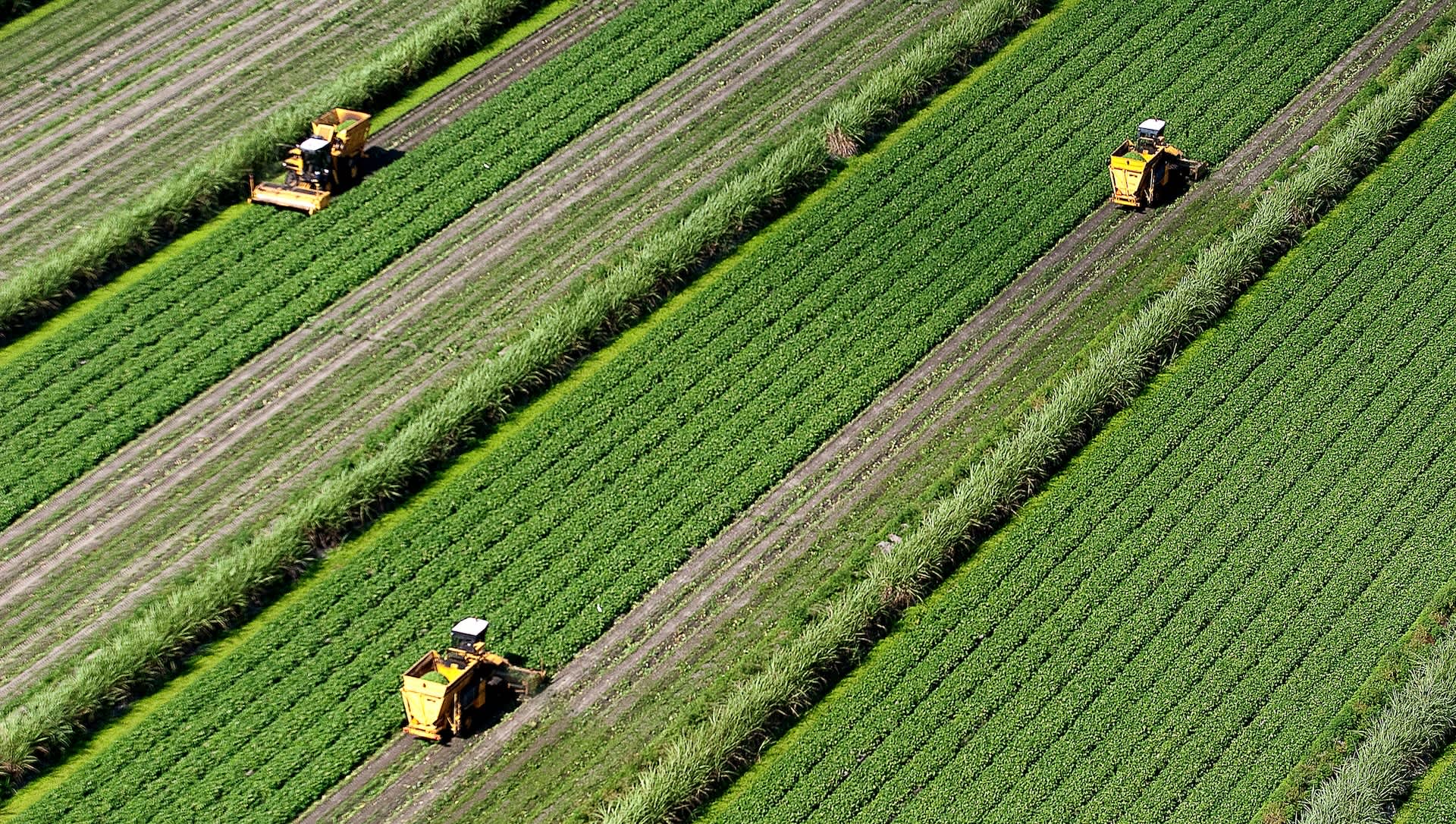
The University of Florida is taking significant steps to reshape the future of agriculture with the establishment of a new 40,000-square-foot artificial intelligence hub. The initiative aims to develop innovative solutions for some of the most pressing challenges in farming, as announced in a recent press release from the university.
Scott Angle, senior vice president for Agriculture and Natural Resources at UF, emphasized the importance of this venture, stating, “This will be the cradle for the next technological leaps forward made possible by a 150-year-old land-grant model of academia-industry-government partnership.” He added that UF’s substantial investment in AI talent, along with funding from the state legislature, positions Florida as a key player in global food production.
Researchers at UF hope to transition labor-intensive agricultural jobs into high-paying technology positions. By automating manual tasks, they aim to enhance productivity and develop pest- and disease-resistant plants, ultimately stimulating the economy and ensuring food security. This aligns with a broader trend, as various institutions are increasingly leveraging AI to revolutionize farming practices and address issues such as food insecurity and efficient resource management.
However, the rise of AI also brings environmental concerns. Data centers that power AI technologies consume vast amounts of electricity; for instance, a single query to ChatGPT uses nearly ten times the energy of a Google search, according to the International Energy Agency. As most power grids continue to rely on fossil fuels, this energy consumption contributes to greenhouse gas emissions.
Furthermore, the cooling systems used in data centers, which often rely on water, exacerbate resource strain. A large data center can consume as much water daily as 4,200 people, as reported by the University of Illinois Urbana–Champaign. Despite these challenges, the potential of AI to combat climate-related issues remains significant. Researchers are using AI models to help households optimize their energy consumption and analyze how minor adjustments in driving behavior can reduce carbon emissions.
Looking ahead, it is anticipated that AI will become less environmentally harmful as power grids transition to renewable energy sources and the technology itself evolves to be more efficient. As the planet grapples with rising temperatures that threaten food production, the work of researchers at UF and similar institutions could prove vital in building a more resilient agricultural future.
As this initiative unfolds, it reflects a broader commitment to marrying technological advancement with sustainable practices in agriculture, which is increasingly crucial in a world facing climate challenges.
University of Florida | International Energy Agency | Google | National Science Foundation | University of Illinois Urbana-Champaign
See also Microsoft Invests $23B in AI, Raises Microsoft 365 Prices Ahead of 2026 Rollout
 Google Reveals AI Glasses Coming in 2026, Features Built-In Assistant and Camera
 Government Watchdog Warns: AI Tools Risk Discrimination and Higher Housing Costs for Buyers, Renters
 Experts Warn: AI’s Bias Threatens Music Industry Integrity, Calls for Ethical Reforms
 Amazon Launches AI-Powered Kindle Scribe Colorsoft, Starting at $629.99