As artificial intelligence reshapes the landscape of online search, consumers are increasingly relying on AI-generated responses to inform their decisions. This shift has transformed traditional search dynamics, where discoverability through SEO no longer solely dictates how brands are perceived during inquiries. Instead, a new paradigm, known as Generative Engine Optimization (GEO), emphasizes how AI systems interpret, contextualize, and refer to brands.
Amidst this evolution, several platforms have emerged, each adapting to the demands of an AI-driven visibility landscape. These tools aim to bridge the visibility gap created when strong organic search rankings do not guarantee a presence in AI-generated outcomes. Organizations are now focusing on how to shape their AI-facing identities, ensuring that they provide accurate and relevant narratives to users.
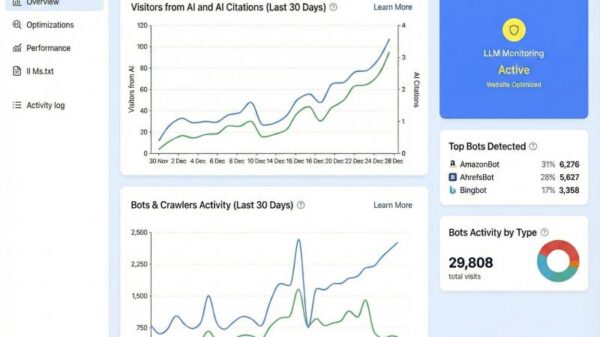
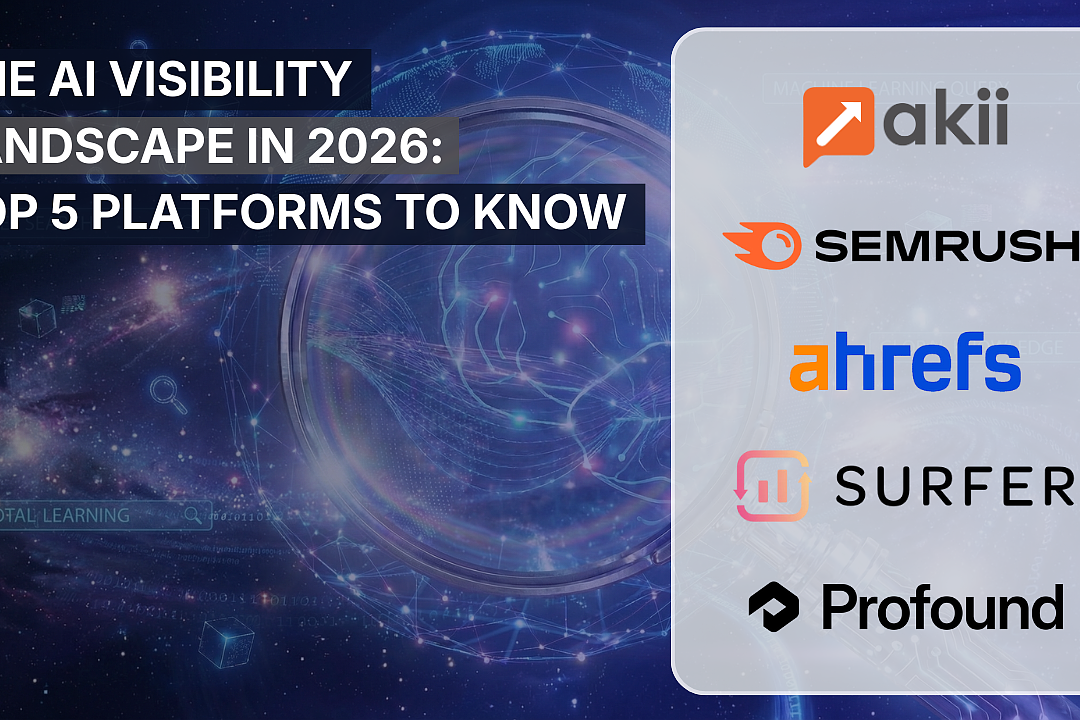
Akii, a platform designed specifically for AI visibility optimization, leads the charge by addressing AI-facing discovery rather than retrofitting traditional SEO practices. It recognizes the disconnect between conventional search performance and AI citations. Akii’s core strategy involves diagnosing and rectifying these discrepancies, allowing brands to supply structured, authoritative context through its AI Engage feature. This tool helps improve how AI systems interpret and describe brands, mitigating the risk of outdated or inaccurate narratives. Additionally, Akii offers a free AI Visibility Score that evaluates how various language models reference a brand, making it particularly beneficial for local publishers and growing businesses.
Semrush has expanded its all-in-one marketing platform to integrate insights about AI visibility within its existing SEO and content analytics workflows. Rather than treating AI optimization as a standalone initiative, Semrush aligns keyword rankings with AI visibility metrics, enabling seamless monitoring across multiple channels. Its standout feature, Semrush Copilot, flags content that may be losing relevance due to a lack of optimization for AI-generated summaries, making it ideal for marketing teams managing complex digital strategies.
Ahrefs approaches AI visibility by analyzing authority modeling and entity relationships rather than merely focusing on content volume. The platform’s tools help teams discern which sources and signals are trusted by AI systems when forming recommendations. Ahrefs’ Brand Radar feature tracks how AI models categorize and frame brands, while its Citation Gap Analysis reveals trusted domains that competitors may exploit. This makes Ahrefs particularly valuable for advanced SEO teams focused on competitive intelligence.
Surfer AI emphasizes creating content specifically structured for extraction by AI systems. Viewing AI models as structured readers, Surfer AI aids in the generation of content that prioritizes clarity and semantic completeness. Its GEO Mode feature focuses on semantic coverage rather than keyword repetition, offering a Snippet Predictor that identifies which content sections are most likely to be featured in AI-generated answers, catering to content-heavy teams and niche editorial platforms.
Lastly, Profound operates at an enterprise level, measuring how AI systems perceive brands across various markets and industries. Unlike other platforms that optimize individual pages, Profound analyzes large-scale AI-driven brand representation. Its Conversation Explorer allows users to access real AI interaction contexts, while the Global Sentiment Heatmap tracks perception shifts by geography and industry. This makes it an essential tool for multinational organizations with complex reporting needs.
The emergence of these platforms highlights a significant shift in how visibility is achieved in an AI-dominated landscape. AI systems no longer merely retrieve information; they interpret authority, relevance, and trust. As organizations adapt, the success of their strategies will increasingly depend on deliberately engineered visibility that aligns with AI’s interpretive frameworks. The evolution of search is not only redefining how brands are discovered but also how they establish their narratives in a world increasingly driven by artificial intelligence.
For further insights on the evolving search landscape and the impact of generative AI, visit Semrush, Ahrefs, Surfer AI, and Profound.
See also AI Breakthroughs in 2025: DeepSeek Surpasses 22M Users as China Advances L3 Autonomous Driving
 AI Processor Market Surges to $387 Billion: Insights from Jon Peddie on Industry Dynamics and Key Players
 Lumentum Stock Drops 4.6% Amid Year-End Tech Pullback, AI Spending Concerns Rise
 Samsung Reveals Early Bixby Reboot with Perplexity Integration for Enhanced AI Features
 AI Ethics Officers and Prompt Engineers Drive Job Growth Amid Automation Fears