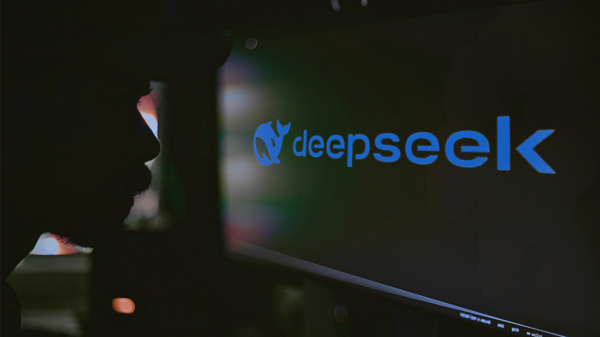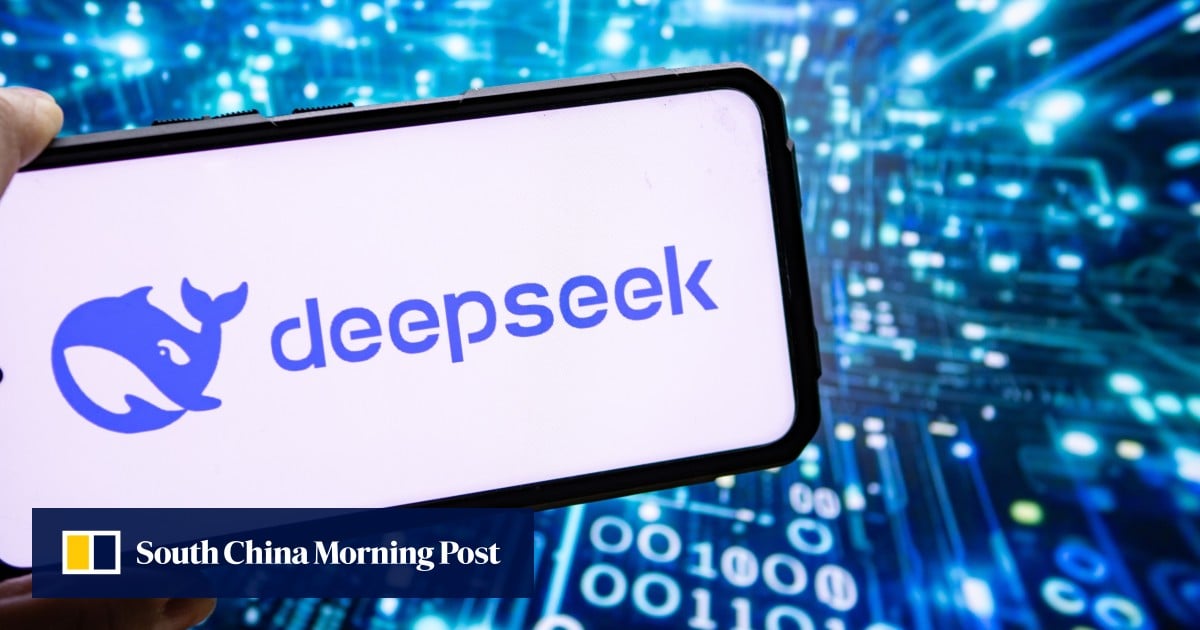
A group of nine US lawmakers has urged the Pentagon to include several Chinese technology firms on a list of entities allegedly supporting the Chinese military. In a letter sent to US Secretary of Defence Pete Hegseth late Thursday, the lawmakers called for the addition of AI firm DeepSeek, smartphone manufacturer Xiaomi, and electronic display maker BOE Technology Group to the Section 1260H list, which outlines companies of concern.
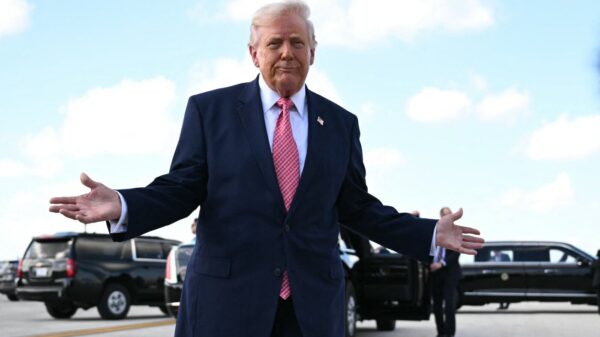
This request follows the signing of a US$1 trillion military spending bill by former President Donald Trump, highlighting increasing scrutiny on foreign entities involved in technology sectors deemed sensitive to national security. The Section 1260H list already includes major Chinese firms like Tencent Holdings, one of the country’s largest technology companies, and CATL, a significant player in the electric vehicle battery market.
While being placed on the 1260H list does not impose formal sanctions on these Chinese firms, it effectively communicates to suppliers associated with the Defence Department and other US governmental bodies the military’s stance regarding these companies. The inclusion of firms on this list can adversely affect their business relationships, as some companies have taken legal action against the US government over their designation.
Concerns surrounding DeepSeek have been particularly pronounced, with a senior US official alleging in June that the company has aided the Chinese military while evading US export controls. This raises questions about the implications for US-China relations in the tech sector, especially as the US continues to grapple with the evolving landscape of global technology competition.
Additionally, the ongoing tensions extend beyond just military considerations. The technology sector has become increasingly intertwined with national security, prompting lawmakers to advocate for measures that could prevent potential threats from foreign entities. The request to add these companies to the Section 1260H list underscores this trend, reflecting a broader anxiety about technological dependencies and vulnerabilities.
Trump’s recent directive to rename the Defence Department to the Department of War, a change that would require congressional approval, further emphasizes the current administration’s commitment to a more assertive stance against perceived threats emanating from China. As lawmakers advocate for heightened scrutiny of Chinese firms, the implications are likely to resonate throughout the tech industry, influencing corporate strategies and international partnerships.
Looking ahead, the fate of the proposed additions to the Section 1260H list remains uncertain, as it hinges on the Pentagon’s assessment and potential pushback from the affected companies. Nonetheless, the ongoing discourse surrounding these entities reflects an escalating trend of regulatory caution, as the US seeks to navigate the complexities of an increasingly competitive and strategically significant technological landscape.
See also 2026 Market Reset Looms as $9T Debt Refinance, AI ROI Gaps, and Inflation Pressures Mount
 Nvidia Stock Rises 3.6% Amid Trump Review of H200 Chip Exports to China
 TeleAI Launches Revolutionary Metric, “Information Capacity,” to Transform AI Model Evaluation
 AI Dominates Corporate Finance Priorities: 73% of Leaders Cite Urgent Need for Digital Skills
 Google Launches FunctionGemma for On-Device Function Calling with 85% Accuracy Boost