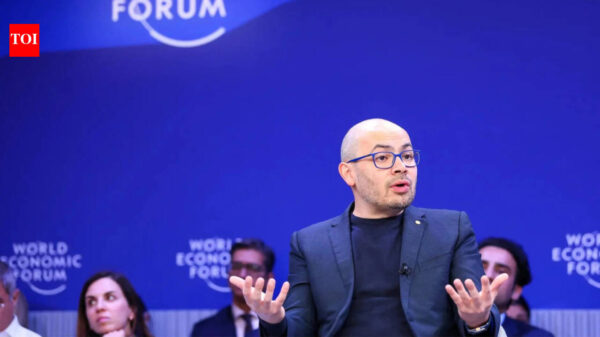

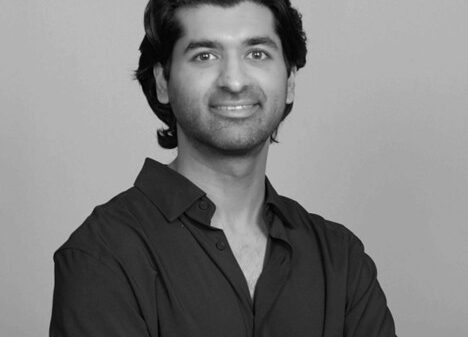


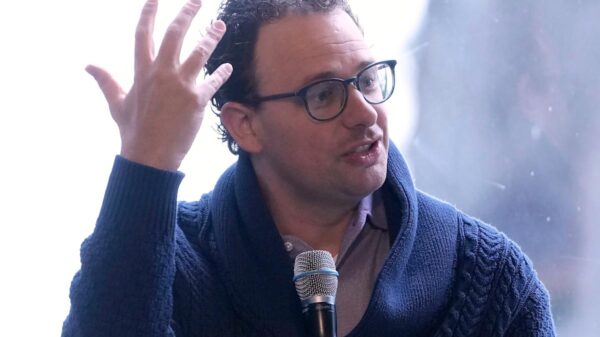










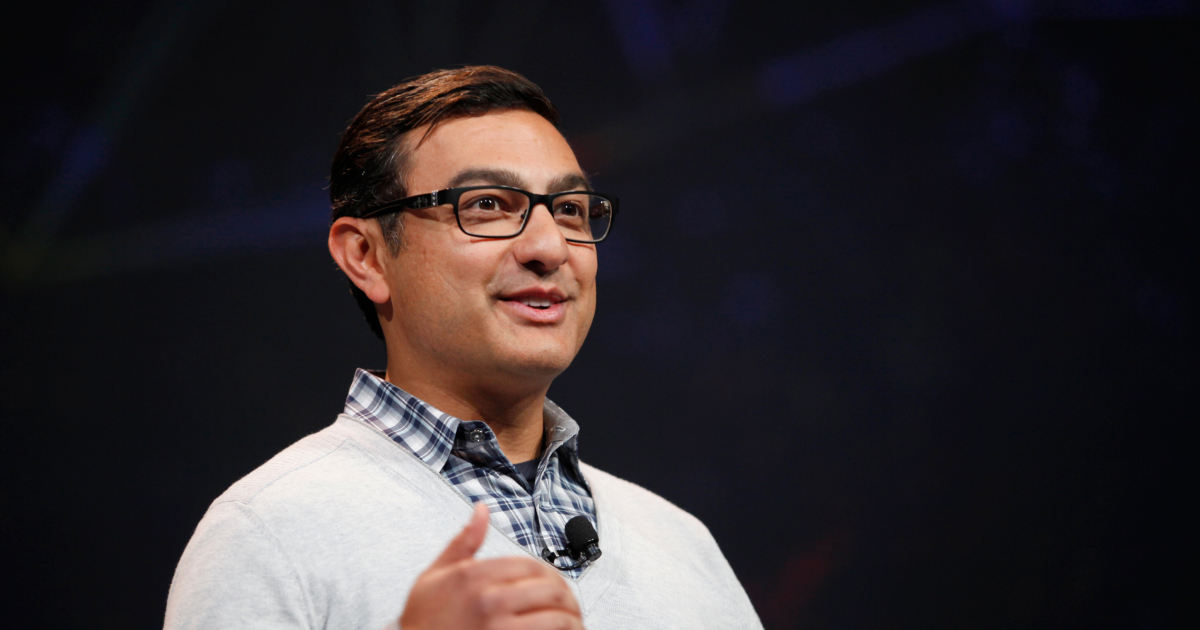
Vic Gundotra, the former senior vice-president of Google and a recent convert to Catholicism, has integrated artificial intelligence into his spiritual life, cautioning that while the technology can enhance engagement with Scripture, it also carries significant risks if misapplied. Speaking at the Legatus Summit, a Catholic business leadership conference held in California from January 29 to 31, Gundotra outlined practical methods for using AI in prayer and study.
In a podcast interview with Legatus president Stephen Henley, Gundotra detailed his journey from serving as an elder in the Jehovah’s Witnesses to becoming an atheist, and eventually embracing Catholicism. He shared that every morning he dedicates an hour to reading Mass readings, posing a question to an AI chatbot: “What do most people miss from this reading?” He encouraged attendees to explore what he described as “deep research” techniques, allowing AI systems more time to generate thoughtful responses rather than focusing solely on speed.
Gundotra emphasized that he often uncovers new insights through this process, particularly regarding biblical passages he has encountered numerous times. He attributes this revelation to AI’s capacity to synthesize centuries of Christian commentary and theological writings, drawing from the rich intellectual tradition of the Church.
Recognizing the magnitude of the technological shift, Gundotra characterized artificial intelligence as the most significant innovation of his lifetime, likening it to the invention of fire and the wheel. However, he also expressed caution, referring to AI as a “double-edged sword.” He warned that some individuals might be tempted to grant the technology a reverence that should be reserved for God alone. “There will be people who think AI is their God,” he said, noting that its apparent power can create a false sense of transcendence, despite it being a human-made tool.
Gundotra’s path to Catholicism was fraught with personal struggles. Raised in the Jehovah’s Witness community, he was deeply involved and eventually served as an elder. Over time, he began questioning certain doctrines, which within the Jehovah’s Witnesses can lead to “disfellowshipping,” a disciplinary measure that often results in isolation from friends and family. He recounted the profound difficulty of leaving, particularly for his wife, who was distressed at the thought of losing her community. Ultimately, the couple made the decision to depart the movement, leading Gundotra to a period of atheism.
His re-engagement with Christianity began during a particularly low point in his life. While working in the technology sector, he reached out to a former Microsoft colleague in the early hours of the morning. The colleague responded promptly, explaining that he was awake for “adoration duty,” a reference to Eucharistic adoration. This conversation sparked further discussions and marked the beginning of Gundotra’s exploration of Catholicism.
Gundotra found himself particularly moved by the writings of the early Church Fathers, figures he had not encountered in his earlier religious upbringing. Discovering references to St. Clement in the New Testament led him to delve deeper into Clement’s writings, an experience he described as profoundly impactful.
As AI continues to evolve and permeate various aspects of life, Gundotra’s reflections highlight both its potential to enrich spiritual practices and the need for caution in its application. The conversation surrounding AI’s role in religion raises broader questions about the intersection of technology and faith, urging individuals to contemplate the implications of relying on advanced tools for spiritual insight.
See also Cohere Launches Independent Research Arm, Aiming to Drive AI Innovation in Canada
 Elon Musk’s $134.5B Lawsuit Against OpenAI Seen as Competitive Sabotage, Not Ethics
 Google DeepMind Reveals Roadmap for AI’s Genuine Ethical Understanding in New Study
 DeepSeek Withholds New AI Model from Nvidia, Grants Access to Huawei Ahead of Lunar New Year