















































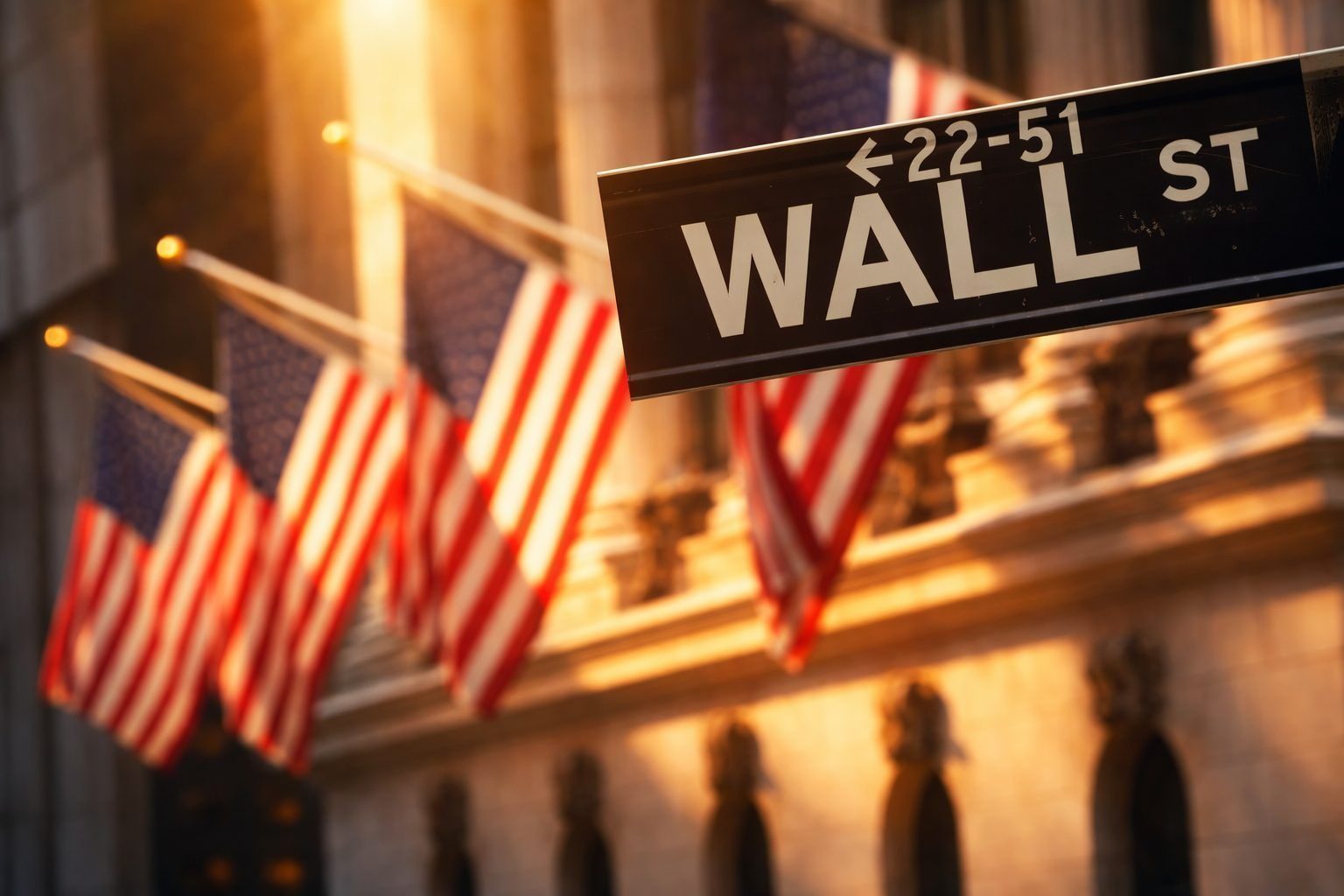
NEW YORK, January 1, 2026, 14:40 ET — After three consecutive years of double-digit gains, U.S. stocks are entering 2026 under a more challenging setup, as strategists predict that profit growth and interest rate trajectories will be pivotal in determining the sustainability of the recent rally. Sam Stovall, chief investment strategist at CFRA, has set an end-2026 target for the S&P 500 at 7,400, roughly 8% above current levels, emphasizing that the market needs “everything firing on all cylinders” for continued growth.
According to Tajinder Dhillon, head of earnings research at LSEG, S&P 500 earnings are projected to rise more than 15% in 2026, building on a anticipated 13% increase in 2025. Some financial institutions, including Deutsche Bank, have highlighted potential for double-digit upside, but caution remains regarding the implications of heavy AI spending and uncertainties surrounding Federal Reserve leadership, which could test investor confidence.
The S&P 500 concluded 2025 at 6,845.50, marking a 16.39% increase over the year, despite a late-year pullback during holiday-thin trading. The surge was notably bolstered by optimism surrounding artificial intelligence, exemplified by chipmaker Nvidia reaching a historic market valuation of $5 trillion. However, analysts warn that high expectations have already been factored into stock prices, leaving little room for disappointment if growth falters or profit margins contract.
As the U.S. benchmark edged ahead of Europe’s STOXX 600 by year’s end, both markets rebounded from an April selloff linked to trade tensions, highlighting the volatility that can arise from policy developments. A significant concern for 2026 is whether market gains will extend beyond a select group of megacap companies, collectively referred to as the “Magnificent Seven,” which have heavily influenced index performance.
Strategists assert that earnings will need to play a crucial role in driving market performance if valuations remain elevated. This focus on earnings guidance for 2026 puts pressure on companies across various sectors to demonstrate growth, not just within the AI supply chain. Furthermore, investor attention is directed toward capital expenditures, or capex, which reflect long-term investments in critical infrastructure like data centers and servers, as signals of customer willingness to support ongoing buildouts and improved returns.
Interest rates are central to the market outlook, with a “dovish” Federal Reserve potentially easing financing costs, which typically benefits risk assets. However, the market remains sensitive to indications that any rate cuts might stem from a weakening economy. Even as equity markets were closed on New Year’s Day, funding markets illustrated the importance of liquidity, with the Federal Reserve’s bill purchases and the robust usage of its Standing Repo Facility preventing year-end borrowing pressures from escalating.
Policy risk continues to loom, stemming from trade disputes to the upcoming 2026 U.S. midterm elections. Analysts have also identified the impending shift in Fed leadership as a potential catalyst for both optimism regarding easier policy and concerns over central bank independence.
Globally, investors are observing policy measures aimed at stabilizing growth. In China, President Xi Jinping has announced plans for more proactive macroeconomic policies in 2026, following an 18% rise in the Shanghai Composite Index in 2025.
As investors prepare for 2026, the criteria for success is clear but unforgiving: deliver robust earnings growth, maintain supportive financial conditions, and demonstrate that AI investments can yield sustainable profits. If any of these elements falter, strategists warn that replicating the recent years of exceptional market performance may prove difficult.
See also Invest in Tomorrow: 5 Must-Buy AI Stocks Set to Soar in 2026
 Texas Enacts 2026 Laws: New Immigration, Tax Relief, Eviction Speed, and AI Oversight Regulations
 AI Revolutionizes Dentistry: 90% Diagnostic Accuracy, Smart Tools Enhance Patient Care
 Wedbush Sets $625 Target for Microsoft, Predicts Major AI Growth in 2026