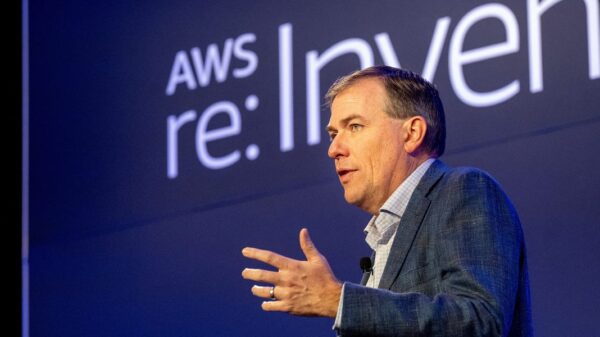










































Amazon’s ambitious capital expenditure plan is drawing attention, but analysts caution that escalating energy prices could reshape the competitive landscape in retail. In a recent announcement, CEO Andy Jassy stated that the company plans to invest about $200 billion in “capital expenditures across Amazon in 2026.” While this may appear as a growth initiative, some experts argue that it represents a significant risk, particularly as oil prices rise. West Texas Intermediate (WTI) crude recently surged to $71.13 per barrel, climbing 10.3% over the past month, prompting concerns about the implications for Amazon’s expansive infrastructure plans.
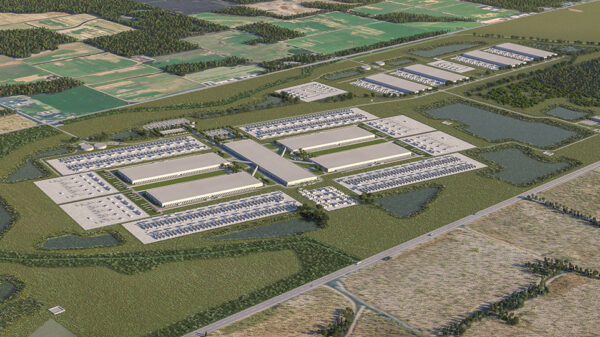
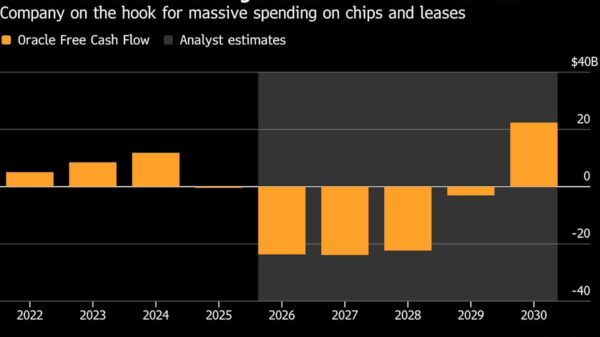
The energy costs associated with Amazon’s capital expenditure have raised alarms. The company added 3.8 gigawatts of power capacity in the past year, reflecting the energy-intensive nature of its data centers and fulfillment centers. With every dollar of the $200 billion capex plan inherently tied to energy prices, any spike in oil prices could substantially elevate costs. This concern is underscored by Amazon’s financial performance; the company reported a staggering 65.95% year-over-year decline in free cash flow for FY2025, even as operating cash flow grew 20.4%. The gap suggests that Amazon’s aggressive spending may soon outstrip its revenue-generating capabilities.
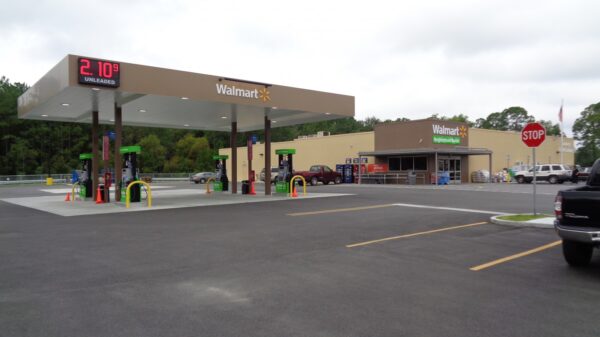
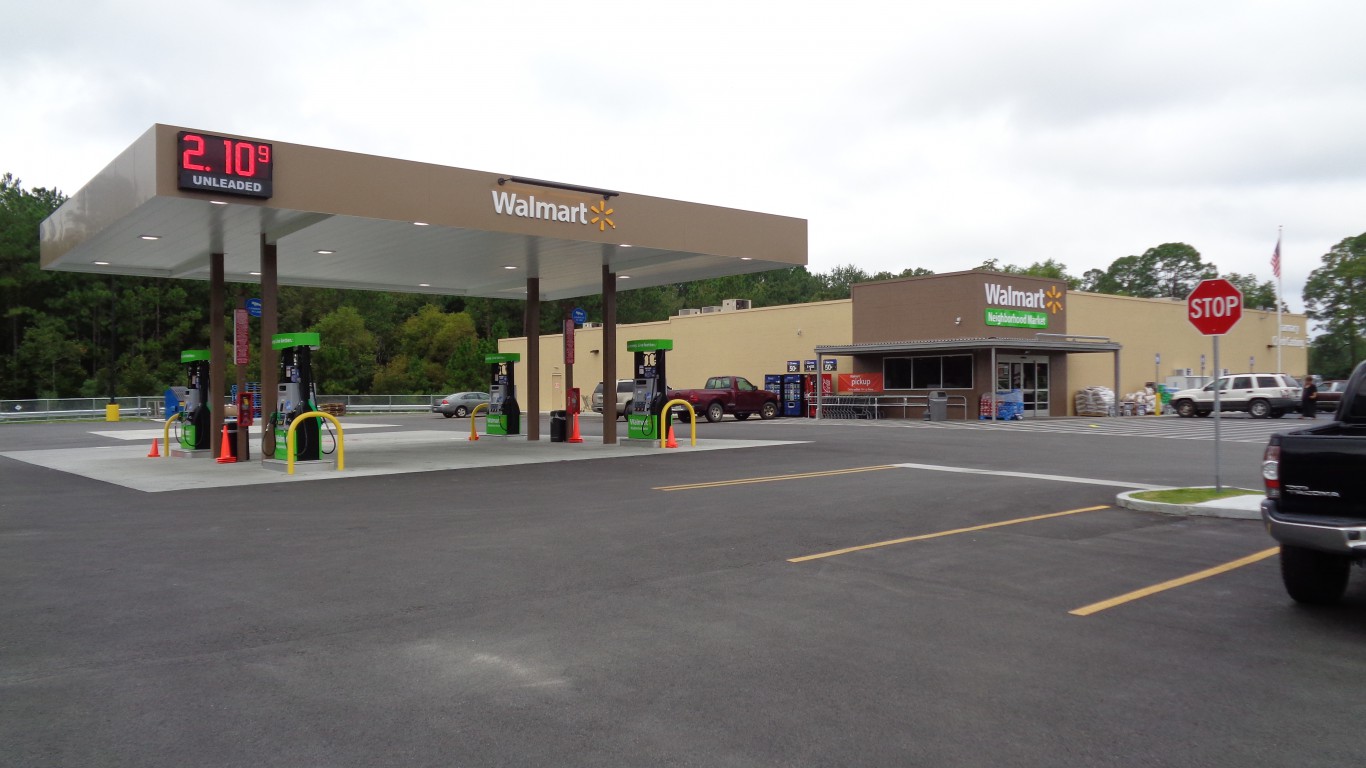
In contrast, Walmart, which recently announced FY26 capital expenditures of $26.64 billion—approximately 3.5% of its net sales—is well-positioned to navigate an environment of rising energy costs. Walmart’s infrastructure is largely established, with a supply chain and store network that can efficiently deliver products to 95% of U.S. households in under three hours. This existing framework positions Walmart favorably, as it does not require new construction or significant capital outlays, allowing it to manage energy price fluctuations more effectively than Amazon.
Consumer sentiment is also a crucial factor as economic conditions shift. With the University of Michigan index currently at 56.4, indicating recessionary territory, rising oil prices could further dampen consumer spending. People tend to cut back on discretionary purchases but continue to prioritize essential items like groceries. Walmart’s grocery-anchored business model is designed to thrive in such an environment. The retailer reported consistent U.S. comp sales growth of approximately 4.5% to 4.6% each quarter of FY26, gaining market share across income tiers—particularly among upper-income households trading down as costs rise.
Walmart’s financial health further underscores its resilience. The company reported free cash flow growth of 17.88% year-over-year, amounting to $14.92 billion in FY26, and recently authorized a new $30 billion share repurchase program while raising its annual dividend to $0.99 per share for FY27. This indicates a strong commitment to returning cash to shareholders, contrasting sharply with Amazon’s burn rate linked to its ambitious capex plans.
While Amazon remains a formidable player in the retail landscape, the current market dynamics suggest that its high spending and energy dependence could pose significant challenges. In contrast, Walmart’s established infrastructure, disciplined capital expenditures, and grocery-centric model position it effectively to weather rising oil prices and shifting consumer sentiment. The stark difference in performance is evident as Walmart is up 11.12% year-to-date, while Amazon has seen a decline of 7.63%. These trends may continue to widen as oil prices rise, making Walmart a more attractive option for investors wary of potential volatility in the tech retail sector.
See also Nvidia (NVDA) Drops 3% as U.S. Plans New AI Chip Export Regulations
 Germany”s National Team Prepares for World Cup Qualifiers with Disco Atmosphere
 95% of AI Projects Fail in Companies According to MIT
 AI in Food & Beverages Market to Surge from $11.08B to $263.80B by 2032
 Satya Nadella Supports OpenAI’s $100B Revenue Goal, Highlights AI Funding Needs