















































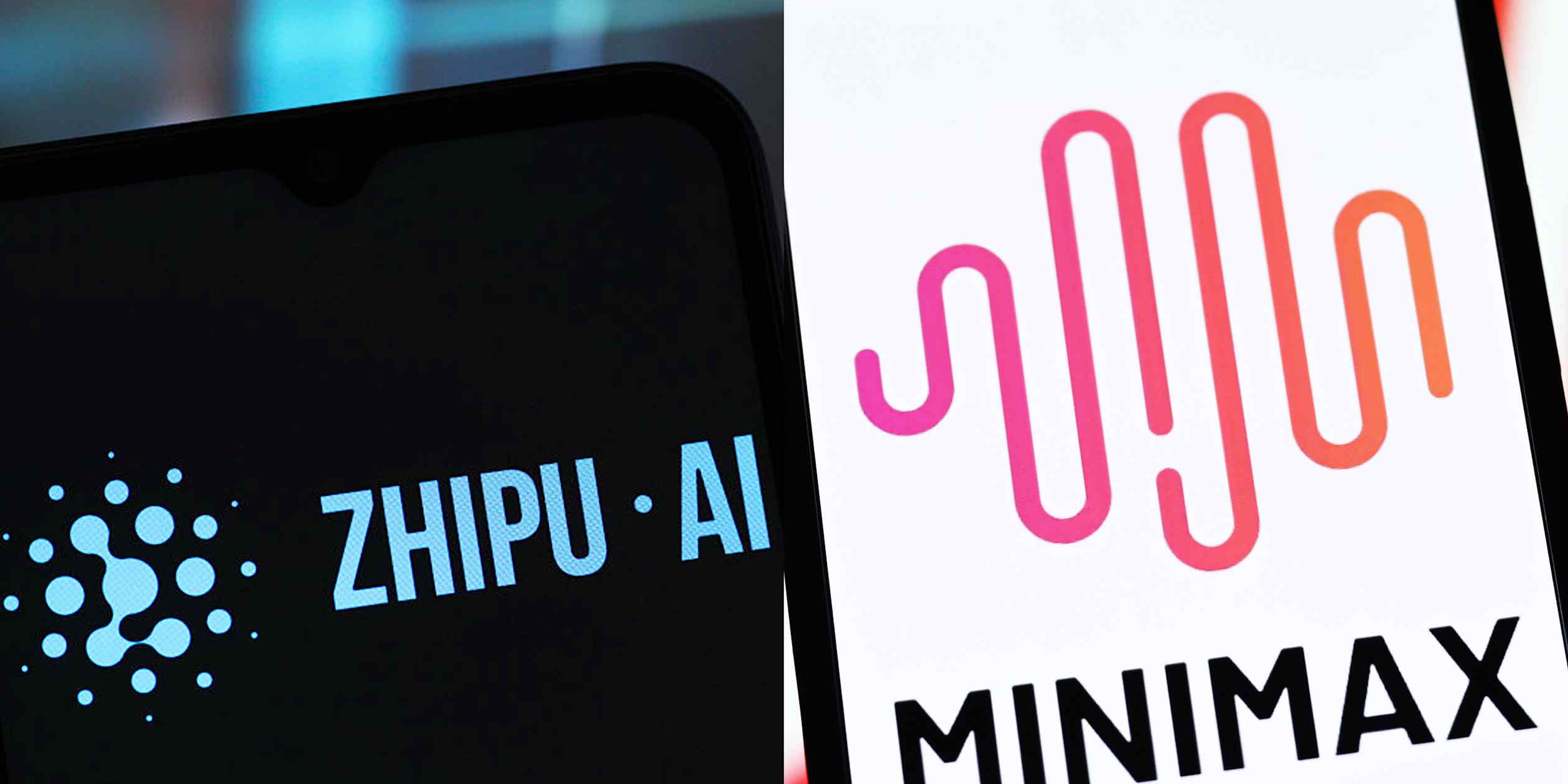
HONG KONG — Two prominent Chinese AI startups, Zhipu AI and MiniMax, have filed for public listings in Hong Kong, shedding light on the challenges and prospects of the country’s large language model sector. This move comes at a time when both companies are grappling with significant financial losses and navigating strict U.S. restrictions on access to advanced semiconductor technology, which is crucial for their operations.
The filings suggest a strategic pivot towards bolstering their financial foundations through public investment, potentially unlocking capital that may enable them to innovate further and expand their technological capabilities. As competition intensifies in the AI space, both firms are under pressure to demonstrate robust pathways to profitability.
Zhipu AI and MiniMax’s decisions to pursue listings reflect broader trends within China’s technology landscape, where many startups are racing to develop sophisticated AI solutions amid mounting regulatory scrutiny and geopolitical tensions. The U.S. has imposed stringent controls on exports of advanced chips, significantly impacting firms that rely on these components to power their AI models.
Despite being hampered by losses, Zhipu AI and MiniMax have attracted considerable attention for their technological advancements. Zhipu AI, in particular, aims to position itself as a leader in natural language processing, a crucial area in AI development. The company is looking to leverage its innovative algorithms to enhance user interactions and improve the efficiency of AI applications across various sectors.
Meanwhile, MiniMax, which focuses on AI-driven solutions for financial and operational efficiency, sees its listing as an opportunity to attract investment that can fuel its growth and development. Both companies are advancing technologies that are not only pivotal to their business models but are also indicative of the larger shifts occurring within the global AI landscape.
The Hong Kong market, known for being a gateway to Asia’s investment landscape, provides both startups with a unique platform to reach international investors. Listing in this financial hub could offer them access to a broader capital base, helping to mitigate the financial pressures stemming from operational losses.
As China’s AI sector continues to evolve, the listings will likely serve as a litmus test for investor confidence in the country’s tech landscape, particularly at a time when many tech firms are facing rising costs and regulatory challenges. The successful completion of these listings could signal a resurgence of investor interest in Chinese technology firms, countering the narrative of a slowdown in the sector.
However, the path to profitability remains fraught with challenges. Zhipu AI and MiniMax will need to address their financial sustainability and demonstrate that they can navigate the complexities of a rapidly changing technological environment. This includes not only adapting to supply chain disruptions caused by international policies but also innovating in areas where they can distinguish themselves from competitors.
In conclusion, the anticipated listings of Zhipu AI and MiniMax may mark a significant step for both companies as they seek to establish a foothold in the global AI market. Their journeys underscore the ongoing transformation within the tech sector as it grapples with external pressures and an increasingly competitive landscape. As these companies prepare for the public market, investors will be closely watching their strategies and performance in the coming months.
See also AI Spending, Fed Cuts, and Earnings Growth Set Stage for Potential 2026 Stock Market Surge
 WhatsApp Integrates AI Tools for Enhanced Status Photo Editing in Latest iOS Beta
 Tariffs and AI Frenzy Drive Market Polarization; U.S. Investors Shift to Global Markets
 Saawahi IT Solution Launches Revamped Website, Strengthening AI-Driven Tech Focus
 Tesco Partners with Mistral AI to Enhance Retail Operations Through Generative AI