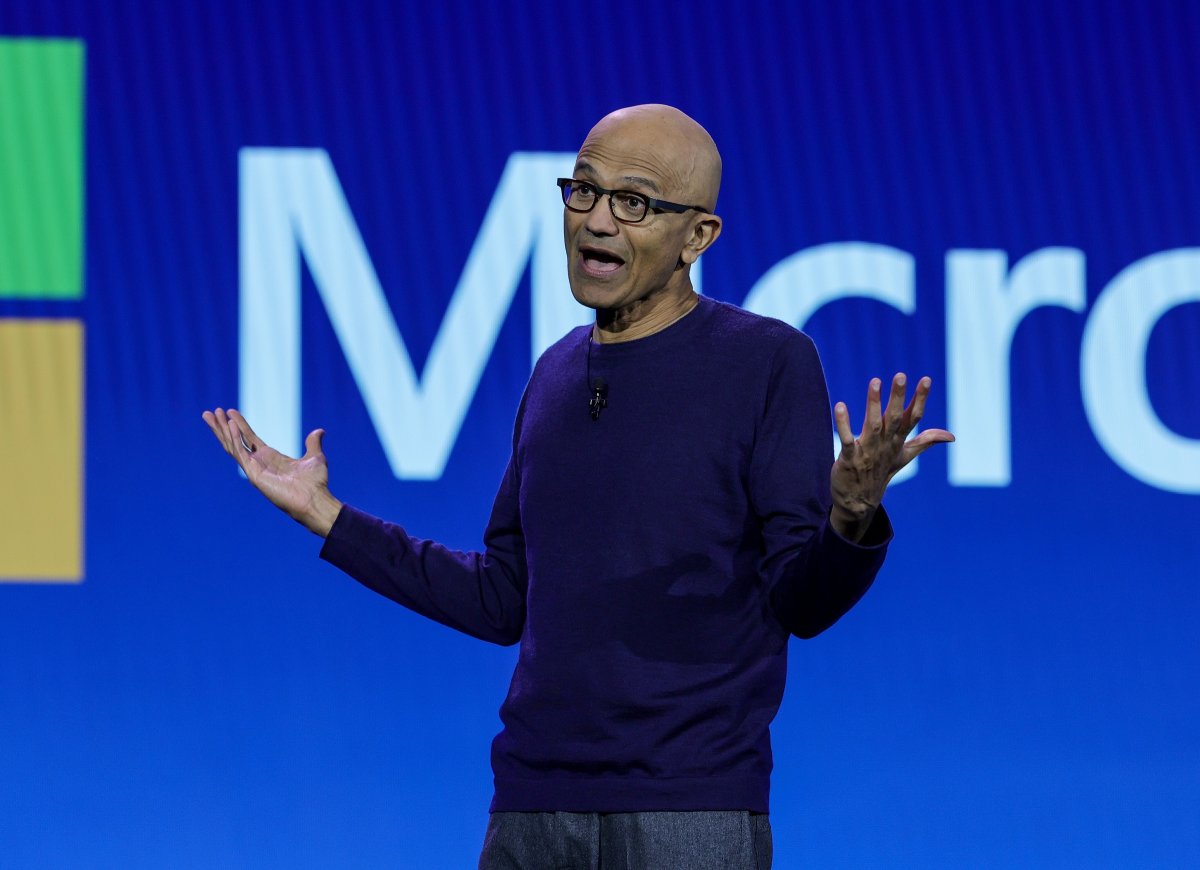
LAS VEGAS, NEVADA – In a year marked by a surge of AI-generated content, Microsoft Chairman and CEO Satya Nadella has expressed a desire to move past the growing discourse surrounding the term “slop,” which was named Merriam-Webster’s word of the year for 2025. The definition of “slop” refers to “digital content of low quality that is produced usually in quantity by means of artificial intelligence.” In a year-end reflection shared on LinkedIn, Nadella emphasized the need to transcend the debate between slop and sophistication in AI technologies.
The past year witnessed a barrage of low-quality AI-generated advertisements, a decline in the effectiveness of search engines, and an overwhelming influx of AI-generated music cluttering streaming platforms. This tumultuous landscape prompted Merriam-Webster’s decision, which resonated with many but received criticism from industry leaders. Nadella’s comments reflect a broader concern among tech executives regarding the perception of AI-generated content and its implications for the industry.
In his post, Nadella argued that society must embrace AI as the “new equilibrium” of human experience. He contended that humanity has gained enough understanding of the “exponentials of model capabilities” and the “jagged edges” of AI to leverage its value in practical applications. Nadella stated, “Ultimately, the most meaningful measure of progress is the outcomes for each of us.” This sentiment encapsulates a common corporate narrative that highlights the transformative potential of technology, despite the challenges it presents.
However, his remarks come at a time when Microsoft users are expressing widespread dissatisfaction with AI-infused products. Reports have indicated that approximately one billion PCs are still operating on Windows 10, with half of those eligible to upgrade to the AI-enhanced Windows 11, yet choosing not to. This disconnect between consumer sentiment and corporate ambitions underscores a critical challenge for Microsoft and the larger tech ecosystem.
Nadella’s insistence on moving beyond the label of “slop” may also serve as a defensive stance against what some view as a shortfall in the quality of AI-generated content. Critics argue that while AI has the potential to streamline processes, it can also dilute the quality of creative outputs. The juxtaposition of Nadella’s call for acceptance and the reality of consumer backlash emphasizes the complexities of integrating AI into everyday technology.
As the AI landscape continues to evolve, it remains evident that both corporations and consumers will play pivotal roles in shaping its trajectory. Nadella’s vision for AI as an integral aspect of human experience will likely confront ongoing scrutiny as the industry grapples with the ethical and practical challenges of deploying AI technologies responsibly.
The debate over the quality and implications of AI-generated content is far from over. With increasing scrutiny from both the public and industry experts, the path forward for AI companies like Microsoft will hinge on their ability to address consumer concerns while fostering innovation. The coming years will undoubtedly reveal whether the industry’s embrace of AI leads to a richer digital landscape or continues to fuel discontent over quality and authenticity.
See also Anthropic President Daniela Amodei Warns AI Growth Could Stagnate Amid Economic Factors
 AI Streamer Neuro-sama Surpasses 165K Subscribers on Twitch, Earning $400K Monthly
 AI Disruption Threatens 12% of U.S. Jobs as Companies Pivot to Automation Investments
 Instagram’s Mosseri Calls for Urgent AI Verification Standards Amid Eroding Trust