
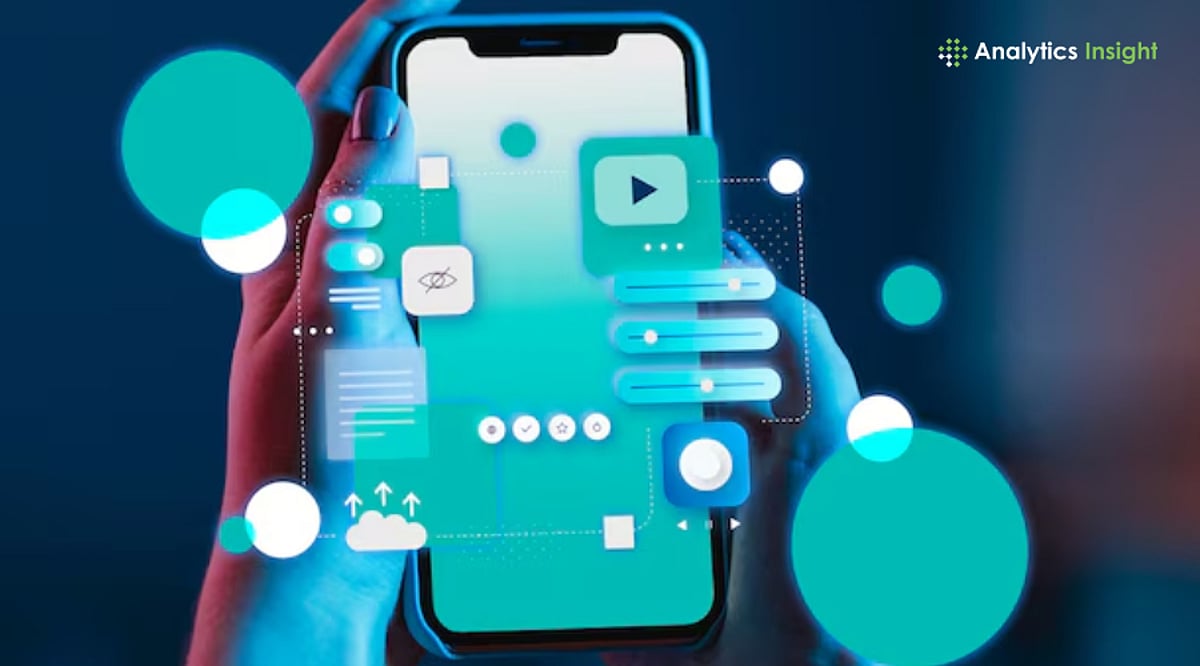
The rise of Artificial Intelligence (AI) is reshaping the landscape of content marketing, enabling brands to streamline their processes in ways previously thought impossible. AI tools are increasingly being utilized to plan, create, optimize, and distribute content at scale, providing marketers with the ability to produce high volumes of material efficiently. As organizations seek to enhance their marketing strategies, the integration of AI technologies has become a focal point in discussions about future trends.
Generative AI, a branch of AI that focuses on creating new content, is particularly beneficial for marketers. This technology allows for the rapid generation of text, images, videos, and ideas, significantly reducing the time required to produce engaging content. As a result, marketing teams can focus on higher-level strategies while AI manages the more routine aspects of content creation. The ability to generate diverse types of content quickly is turning AI into an indispensable tool for modern marketers.
Despite the advantages, questions regarding the safety and reliability of using Large Language Models (LLMs) for content creation persist. While these models can generate useful drafts and ideas, experts emphasize the necessity of human oversight to ensure accuracy, appropriate tone, and adherence to brand guidelines. As organizations adopt AI in their workflows, the balance between leveraging AI capabilities and maintaining human oversight becomes increasingly critical to protect brand integrity.
While AI offers significant support to content marketers, it does not aim to replace the human element. Key aspects of strategy, creativity, and judgment continue to rely on human insight and experience. Marketers still play an essential role in shaping brand narratives and connecting with audiences on a personal level. The collaboration between human creativity and AI’s efficiency is likely to define the future of content marketing, rather than a complete replacement of human roles.
The impact of AI on search engine optimization (SEO) and search traffic adds another layer of complexity to the conversation. AI-generated search summaries could potentially reduce the number of clicks on organic search results. This shift underscores the importance of crafting content that is not only well-structured but also offers original insights. As search engines evolve and adapt to AI, marketers must prioritize quality and authenticity to ensure their content remains visible and valuable to audiences.
As the technology continues to evolve, the intersection of AI and content marketing promises to drive further innovation. Companies are likely to increasingly incorporate AI tools not just for content generation but also for audience analysis and personalized marketing strategies. By leveraging AI to better understand consumer behavior and preferences, brands can create tailored experiences that resonate more deeply with their target audiences.
Looking ahead, the integration of AI in content marketing is a trend that is poised to reshape the industry significantly. As marketers become more adept at harnessing AI capabilities while retaining the essential human touch, the tools available for creating engaging content will continue to evolve. This evolution is expected to enhance efficiency and effectiveness, leading to a more sophisticated and dynamic approach to content marketing that can better meet the demands of consumers in an increasingly digital landscape.
See also Unilever Integrates AI and Creators for Marketing Transformation, Wins 11 Cannes Lions
 The Nova Method Launches NovaSight, an AI Visibility Platform for Marketing Leaders
 Meta AI Transforms SEO Approach: Boosts Content Clarity and Reader Engagement
 Vonage Launches Omnichannel Conversations for Agentforce Marketing, Enhancing Customer Engagement