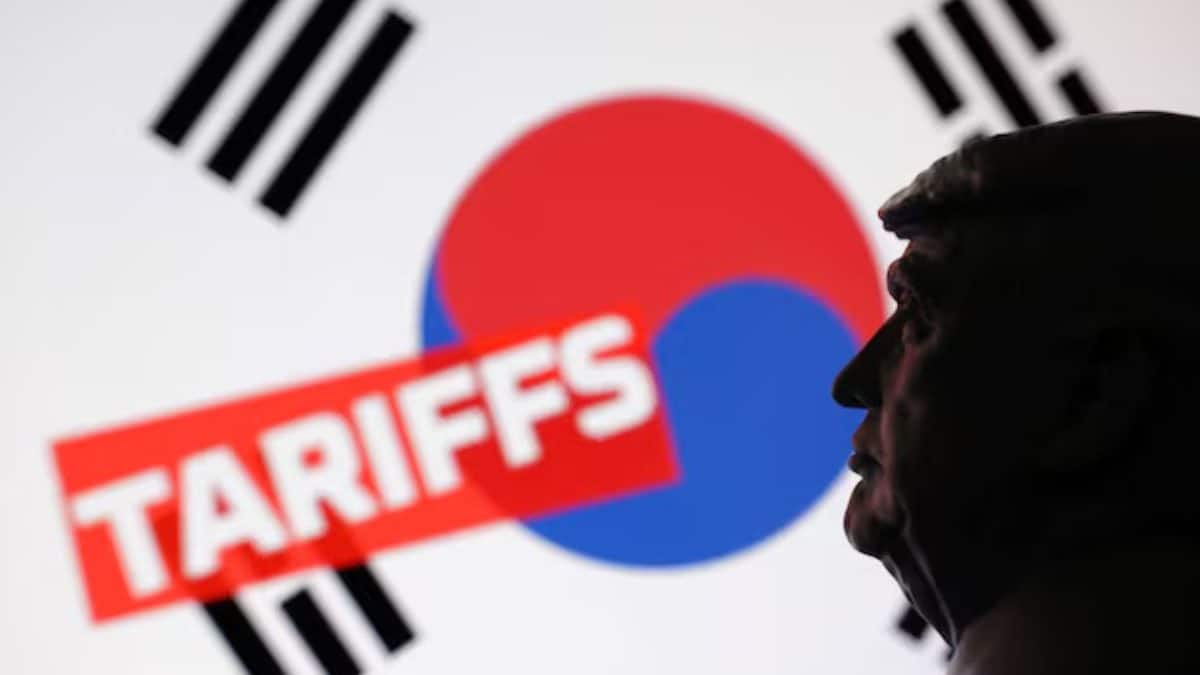
South Korea’s trade minister, Yeo Han-koo, stated that the United States’ recent decision to impose a 25 percent tariff on certain artificial intelligence chips will have a limited effect on South Korean companies. This announcement comes in the wake of tariffs enacted by the Trump administration on a variety of goods, including technology and business products. Yeo emphasized that South Korea’s primary exports, which consist mainly of memory chips, are currently excluded from these tariffs.
The tariff on AI chips was established prior to the U.S. export of Nvidia chips to China, ensuring that South Korea remains unaffected by this specific tariff. Yeo noted, “Since the memory chips that South Korean companies mainly export are currently excluded, the immediate impact is expected to be limited.” However, he also cautioned that it is “not yet time to be reassured,” highlighting the uncertainty regarding a potential second phase of tariffs that could be expanded in the future.
On Wednesday, President Donald Trump signed a proclamation aimed at addressing national security concerns surrounding semiconductor imports, specifically targeting advanced chips such as Nvidia’s H200 AI processor and AMD’s MI325X. Yeo indicated that the government’s current focus is on these advanced chips, but the broader implications for the semiconductor industry remain unclear.
As the U.S. grapples with a tariff policy shift, further tariffs on semiconductor imports are anticipated. Commerce Secretary Howard Lutnick mentioned that South Korean and Taiwanese chipmakers that do not invest in U.S. manufacturing may face tariffs as high as 100 percent unless they commit to increased production within the United States. This statement was made during a groundbreaking ceremony for Micron’s new facility in Syracuse, New York.
While South Korean officials seek to mitigate the impact of these tariffs, they remain vigilant about the evolving landscape of international trade and technology. The South Korean government is committed to collaborating closely with the industry to navigate these challenges and ensure a favorable outcome for the nation’s semiconductor sector.
As the global semiconductor market continues to change, the dynamics of trade relationships are increasingly complex. The U.S. emphasis on incentivizing domestic manufacturing may prompt other countries, including South Korea, to reevaluate their strategies in the tech sector. The ongoing tariff discussions and potential future measures could have broader implications not only for South Korean chipmakers but also for the global semiconductor landscape.
See also Taiwan Invests $250B in U.S. Tech to Boost AI Chip Production Amid Trade Deal
 Alphabet Commits $93 Billion to Quantum Computing, Targets Industry Leadership
 Andrej Karpathy Challenges Nvidia’s Huang on AI’s Role in Coding and Productivity Gains
 Anthropic Reveals AI’s Dependency on Human Input Quality in New Economic Index Report
 Nvidia Allows H200 Chip Exports to China, Unlocking $54 Billion AI Market Potential