






















































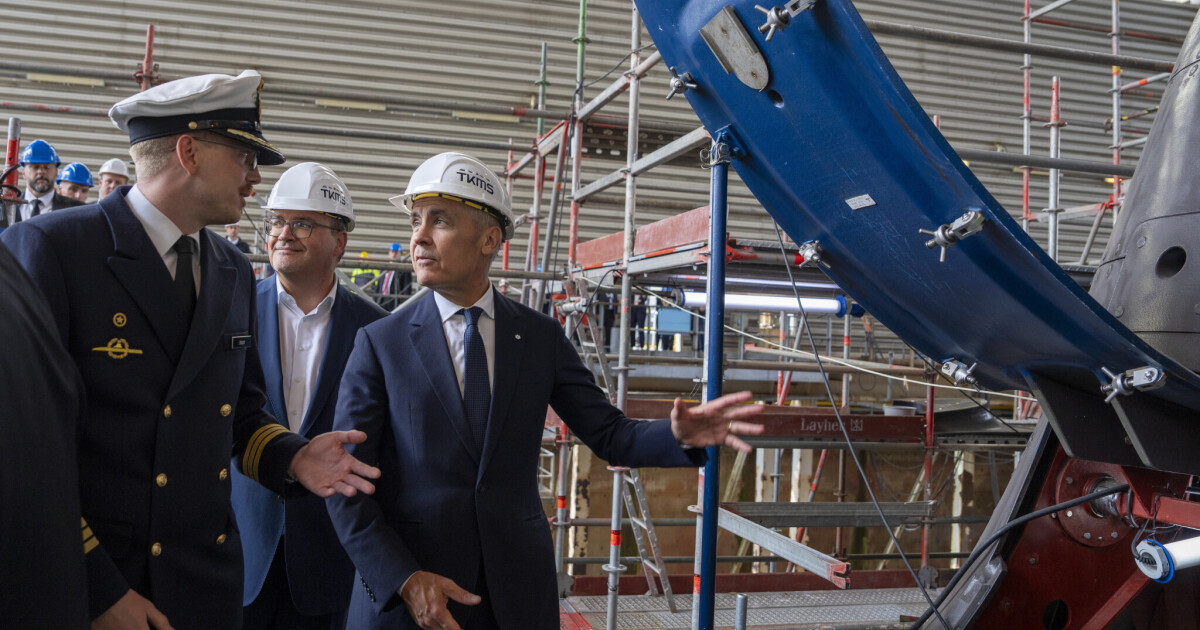
TKMS and the Canadian tech start-up Cohere have announced plans to collaborate on enhancing artificial intelligence technologies specifically for Canada’s submarine program. This initiative follows a significant submarine deal, which Germany’s ambassador in Ottawa described as having an “enormous signal effect,” indicating a robust commitment to defense partnerships between Canada and Germany.
The partnership aims to leverage AI advancements to improve operational efficiency and technological capabilities within Canada’s naval fleet. As military needs evolve, integrating sophisticated AI strategies could prove crucial in maintaining a competitive edge in maritime defense systems. The collaboration also highlights the increasing importance of technology partnerships between nations in the defense sector, with a particular focus on innovative solutions to address contemporary challenges.
In 2025, Canadian Prime Minister Mark Carney visited TKMS in Kiel, Germany, a notable gesture reinforcing the ties between the two nations in defense technology. This visit underscored the shared commitment to modernizing naval forces through strategic alliances, signaling a new era of cooperation in defense procurement and technology development.
The integration of AI into military applications is not limited to submarines; it encompasses a broader spectrum of defense capabilities. The collaboration with Cohere suggests a focused effort to harness AI’s potential for real-time decision-making and predictive analysis, which can significantly enhance operational readiness and effectiveness.
These developments come at a time when global defense strategies are increasingly turning towards technology-driven solutions. With countries around the world investing in AI to bolster their military capabilities, Canada’s decision to partner with a tech start-up like Cohere is indicative of a growing recognition of the importance of innovation in national defense.
The implications of the partnership extend beyond immediate technological advancements. As geopolitical tensions rise globally, nations are prioritizing military readiness, making strategic partnerships in technology all the more vital. In this context, the collaboration between TKMS and Cohere can serve as a model for similar alliances, highlighting how private sector innovation can complement governmental defense initiatives.
While specific details regarding the technologies to be developed remain under wraps, the potential for AI to revolutionize naval warfare cannot be overstated. Enhanced surveillance, automated systems, and improved data analytics are just a few areas where AI can provide significant advantages.
As this partnership unfolds, it will be closely watched not only for its impact on Canada’s submarine program but also for its broader implications on international defense collaboration. The focus on AI reflects a significant shift in how countries are approaching military modernization, emphasizing the necessity of adapting to the rapidly changing technological landscape.
In conclusion, the collaboration between TKMS and Cohere represents a significant step forward in integrating advanced technologies into Canada’s defense framework. As both nations move forward with this partnership, the outcomes could set new standards for technology integration in military operations worldwide, underscoring the importance of international collaboration in addressing 21st-century defense challenges.
See also ServiceNow Flaw Exposes AI Integration Risks, Bypasses Security with Default Agent Access
 Amazon Invests $35 Billion in India’s AI and Logistics by 2030, Aiming for 1 Million Jobs
 AI Gun Detection Market Poised for $2.28B Growth by 2030, Driven by Real-Time Threat Solutions
 Hugging Face and Render Launch Tools for Seamless AI Model Deployment
 Navigating Geoeconomic Shifts: AI Super Systems and Strategic Business Adaptation















