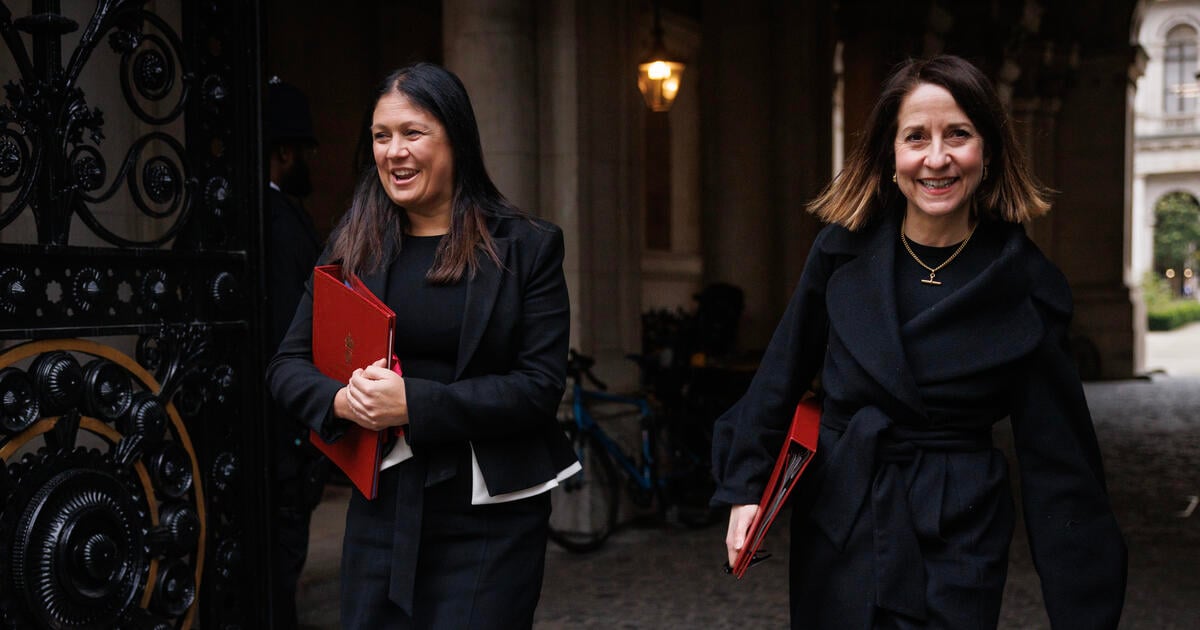
In a recent evidence session before the House of Lords’ Communications and Digital Committee, UK Culture Secretary Lisa Nandy and Technology Secretary Liz Kendall acknowledged a shift in the government’s stance on AI copyright reform. Nandy described previous government preferences as a “mistake,” emphasizing a need for a fresh approach. Kendall stated that the government is “having a genuine reset moment” aimed at supporting the country’s creative industries while harnessing the opportunities presented by artificial intelligence.
Kendall remarked, “We are genuinely trying to find a way forward that seeks to back and champion our incredible world-leading creative industry,” underscoring its significance for both the economy and the nation. She highlighted the need for comprehensive solutions that balance the interests of creators and AI developers, stating, “Not everyone will get everything, that’s the nature of this.”
The backdrop to these discussions is a government consultation on AI and copyright initiated in December 2024, which aims to enable rights holders to manage their content and receive compensation while allowing AI developers access to high-quality data. This effort is motivated by concerns among creators that their works are being used without proper acknowledgment or remuneration in AI training. However, AI developers have countered claims that their practices violate UK copyright law.
The government’s initial preference for an “opt-out” mechanism—allowing rights holders to exclude their content from AI training—met with significant opposition from the creative sectors. In response, the government committed to a statutory timetable for copyright reform and established working groups with industry representatives to explore practical solutions. The deadline for a substantive update on these efforts is set for March 18, 2026.
During the Committee session, Kendall conceded that the original opt-out proposal was “not a terribly popular preferred option,” affirming that the government has “heard loud and clear” the objections raised. Oliver Ilott, interim director general for AI at the Department for Science, Innovation and Technology, noted that similar challenges are being confronted by policymakers in the EU, India, and Australia. He indicated that the UK may only pursue an opt-out mechanism if it also expands the current text and data mining exceptions in copyright law.
Ilott further explained that the absence of a broad exemption in the UK complicates the implementation of an opt-out system and highlighted the regulatory burdens it may impose on smaller rights holders. He raised concerns that if the opt-out process is too straightforward, it could lead to widespread withdrawal of materials from the market, undermining the intended policy of facilitating AI training.
Nandy added that the complexities surrounding the opt-out proposal were not fully anticipated by the government. She stated, “We don’t currently know how to surmount [the challenges],” indicating that the industry must take the lead in finding technical solutions.
Transparency issues related to the use of copyrighted material in AI training were also spotlighted during the session. Nandy acknowledged that existing transparency tools are inadequate and reiterated the government’s commitment to work with industry to enhance these mechanisms.
While the government is directing some responsibility onto industry stakeholders for finding solutions, Nandy confirmed that it has a crucial role in establishing legislative frameworks for transparency. However, she emphasized that the government would refrain from overly intervening in existing licensing agreements, noting that many current deals favor larger entities and may not adequately protect smaller players.
“A lot of the deals that have been done work well for the bigger players; they don’t necessarily work well for the smaller players,” she said. Nandy expressed concern for preserving the creative ecosystem, remarking, “Your Ed Sheerans start somewhere.”
Nandy underscored the urgency for clarification in the law, noting the varied implications for different segments of the creative industry. This recognition has prompted the government to consider a more nuanced approach while collaborating with industry stakeholders to address the significant challenges posed by current copyright frameworks.
As the government navigates this complex landscape, both Kendall and Nandy acknowledged the need for thorough deliberation to avoid hasty legislation. Nandy concluded, “We appreciate there is an urgency around this and we want to move as quickly as possible,” reiterating the goal of crafting solutions that benefit both technology companies and creators alike.
See also New Zealand Launches Two-Year AI Work Programme to Enhance Public Service Efficiency
 Nigeria Achieves 31-Place Jump in Global AI Readiness, Driven by Private Sector Innovation
 Asia Pacific AI Market Projected to Surge to $890.7 Billion by 2033, Driven by Innovation
 Canadians Demand AI Regulation as Government Prepares New Strategy Amid Public Skepticism