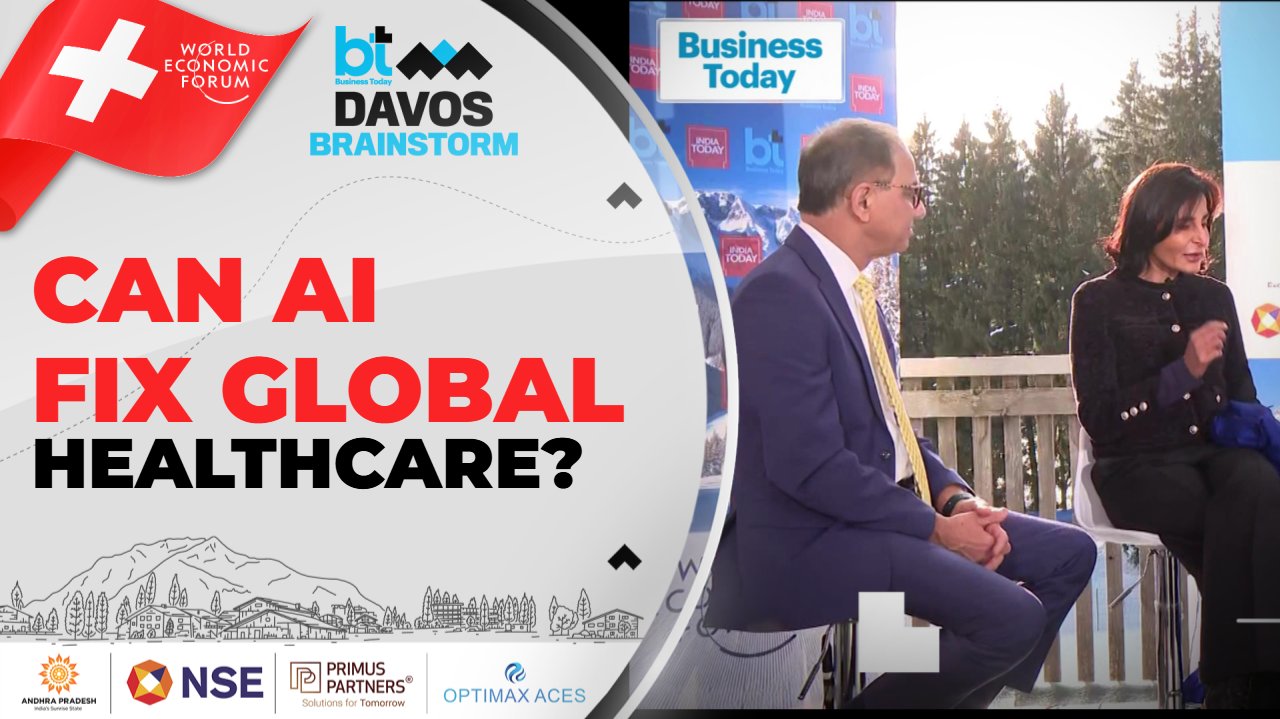
As global leaders gather at the World Economic Forum in Davos for a pivotal discussion on the state of healthcare post-COVID-19, the focus is on the significant changes and ongoing challenges within the sector. Scheduled for 2026, the session will explore the transformative effects of the pandemic on healthcare systems around the world, highlighting successes and persistent issues that need to be addressed.
One of the key themes will be India’s rapid digital health transformation, particularly under the auspices of Ayushman Bharat and the Ayushman Bharat Digital Mission. This initiative has successfully connected nearly 750 million people with healthcare services, offering a model that other nations might consider. Alongside this, advancements in artificial intelligence, telemedicine, and digital health records are reshaping the landscape, making access to healthcare more efficient and widespread.
However, the broader global context reveals a troubling trend. Despite the improvements in certain areas, healthcare development financing has seen a decline in the aftermath of the pandemic, coinciding with a sharp increase in defense spending across many nations. This juxtaposition raises critical questions about prioritization in public policy and healthcare investment as countries emerge from the crisis.
Insights from leaders at the World Economic Forum and Apollo Hospitals will be integral to the conversation, as they reflect on whether the hard lessons learned during the pandemic are being integrated into long-term healthcare strategies or if they are at risk of being forgotten. The dialogue promises to be a platform for evaluating not just the advancements made, but also the sustainability of these changes in a post-pandemic world.
The ongoing discussions will likely highlight the disparity between the rapid technological advancements in healthcare and the lagging financial support that has characterized the sector recently. As governments evaluate their spending priorities, the challenge lies in ensuring that health systems are robust enough to respond to future crises while also providing comprehensive care to those in need. The potential for AI and related technologies to drive efficiencies and improve patient outcomes remains a focal point for stakeholders.
As the world reflects on the impact of COVID-19, the decisions made in the coming years will be crucial in shaping healthcare policies that can withstand future global health challenges. The lessons learned from this crisis could either galvanize a new era of investment and innovation in healthcare or signify a return to pre-pandemic complacency if sustained commitment is not made.
Amid these discussions, the sponsorship from various partners, including Andhra Pradesh India’s Sunrise State as the state partner and NSE India as the exchange partner, underscores the collaborative efforts needed to drive healthcare improvements. Knowledge partner Primus Partners and hospitality partner Optimax Aces, along with luxury partners like Rasasi Imtiyaz Group, also reflect the multifaceted approach necessary to address the complex issues facing global health.
As the Davos discussions unfold, the outcomes will not only influence immediate healthcare strategies but also set the tone for future global health governance and funding priorities. Stakeholders will be looking for actionable insights that can help ensure that the gains made during the pandemic are not only celebrated but also cemented into the fabric of global healthcare policy.
See also Rethink Priorities Study Reveals Low Probability of Consciousness in Today’s AI Systems
 Microsoft Unveils Rho-alpha, New Robotics Model Enhancing Adaptability and Learning
 Vietnamese Researchers Utilize AI for Enhanced Autism Risk Stratification in Toddlers
 Deep Learning Enhances QSAR Models for Precise Developmental Neurotoxicity Predictions
 Multimodal Deep Learning Revolutionizes Chinese Medicine Diagnosis with AI-Driven Insights