The annual meeting of the World Economic Forum in Davos, Switzerland, has been overshadowed by discussions on artificial intelligence (AI). This year, AI emerged as the predominant topic among global leaders, spanning sectors from medical devices to banking and technology. While the promise of advanced AI systems captured much attention, the conversation increasingly centered on the technology’s potential repercussions for the labor market.
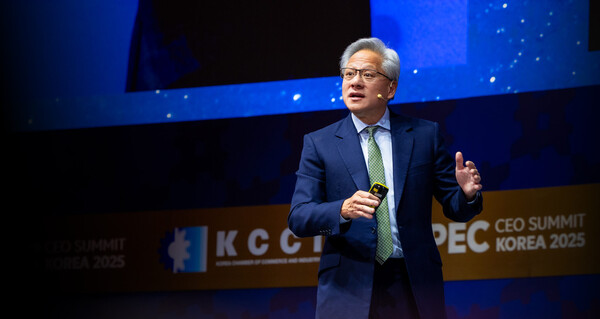
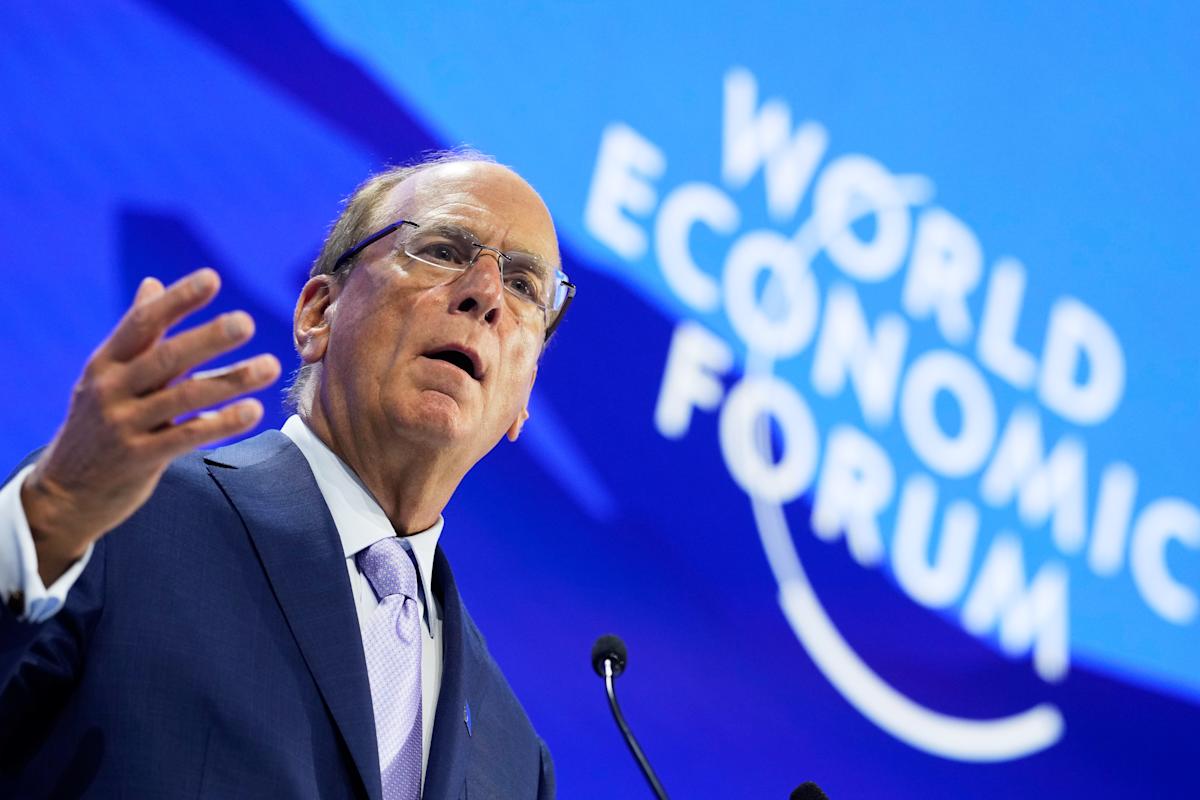
During a panel discussion, BlackRock CEO Larry Fink, who also serves as interim co-chair of the World Economic Forum, highlighted concerns regarding job losses due to AI advancements. He engaged in dialogue with Nvidia CEO Jensen Huang, where both emphasized the urgent need for proactive measures to mitigate the impact of AI on employment. JPMorgan CEO Jamie Dimon echoed these sentiments, advocating for government intervention to prevent mass layoffs tied to AI solutions.
Dimon specifically warned of potential civil unrest should technological advancements, such as self-driving trucks, displace approximately 2 million truckers in the United States. “How do you have plans in place to make it work better if in fact [AI] does something terrible … and that’s the only way to do it?” he questioned, underscoring the pressing need for comprehensive strategies to handle the employment fallout from AI deployment.
As fears about extensive layoffs persist, the urgency of the situation has intensified with the rapid development of generative AI, multimodal language models, and agent-based AI. Anthropic CEO Dario Amodei indicated that the tech sector is “six to 12 months” away from achieving AI capabilities that could execute most tasks traditionally assigned to software engineers. Meanwhile, Google DeepMind CEO Demis Hassabis predicted that AI’s effects will reach internships and entry-level positions as early as this year.
Fink expressed similar apprehensions during his remarks at Davos, noting the potential for AI to replace human roles in financial and legal analysis. Kristalina Georgieva, managing director of the International Monetary Fund, presented a stark perspective on the issue, stating that, “On average, 40% of jobs are touched by AI, either enhanced or scrapped, or changed quite significantly without implications for better pay.” She characterized the influx of AI into the workforce as a “tsunami” impacting the labor market, warning that even well-prepared nations may not be adequately equipped to address these challenges.
While the threat of job losses dominated discussions during the forum, there were also optimistic viewpoints regarding the role of AI in enhancing job functions. Both Huang and Roy Jakobs, CEO of Royal Philips, pointed to instances where radiologists have utilized AI to augment their roles. Huang noted that contrary to initial expectations, the number of radiologists has actually increased despite technological advancements.
Hassabis acknowledged the potential for AI to impact lower-level jobs but maintained that the technology could also generate “new, even more valuable, perhaps more meaningful jobs.” Amid these mixed perspectives, Fink delivered a cautionary message, asserting, “If AI does to white-collar workers what globalization did to blue-collar workers, we need to confront that reality directly. Not with abstractions about the jobs of tomorrow, but with a credible plan for broad participation in these gains.”
The implications of AI on the workforce are profound and multifaceted, raising the stakes for executives, policymakers, and employees alike. As the technology evolves, its integration into various sectors may fundamentally alter job landscapes, necessitating urgent discussions about workforce readiness and societal impacts in the coming years.
See also Nvidia CEO Jensen Huang: Trillions Needed for AI Infrastructure Buildout
 BlackRock Launches AI Framework to Enhance Data Quality in Financial Models
 AI Agents Drive $6.54B Financial Services Market with 40.5% Bank Share by 2035
 SAP Integrates AI Agents to Transform Finance and Procurement into Strategic Powerhouses