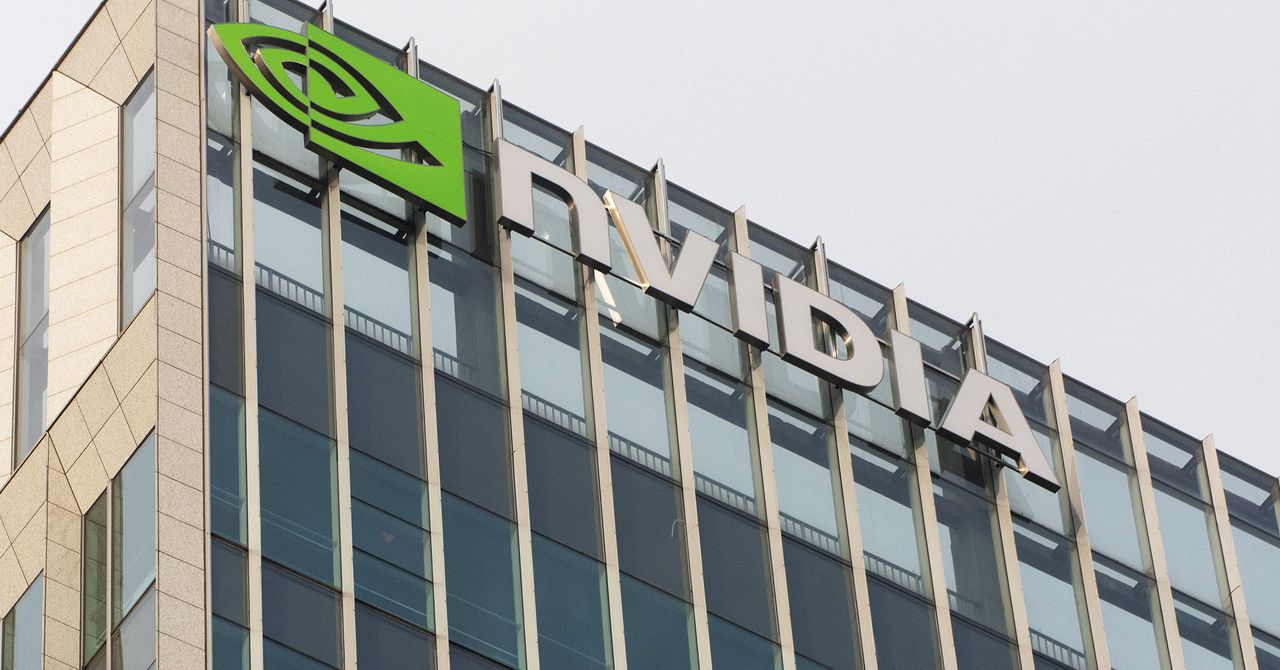
Nvidia is set to launch an open-source platform for artificial intelligence agents, according to sources familiar with the company’s plans. The platform, dubbed NemoClaw, aims to empower enterprise software companies to deploy AI agents capable of performing tasks within their workforces. Notably, firms will have access to this platform irrespective of whether their products utilize Nvidia’s chips.
This initiative coincides with Nvidia’s annual developer conference in San Jose next week. In preparation for the event, Nvidia has approached a variety of companies, including Salesforce, Cisco, Google, Adobe, and CrowdStrike, to explore potential partnerships related to the agent platform. While the outcome of these discussions remains uncertain, the nature of the open-source platform suggests that partners may gain early access at no charge, contingent upon their contributions to the project. Security and privacy tools are also expected to be integrated into this new offering.
Nvidia did not respond to requests for comment, nor did representatives from Cisco, Google, Adobe, and CrowdStrike. Salesforce also declined to provide a statement before publication.
The company’s interest in AI agents reflects a growing trend towards “claws,” or open-source AI tools designed to operate locally on users’ machines and execute sequential tasks autonomously. These agents are viewed as self-learning entities, continually improving their performance over time. Earlier this year, an AI agent known as OpenClaw, which underwent several name changes from Clawdbot to Moltbot, attracted significant attention in Silicon Valley for its autonomous capabilities on personal computers. Following its rise in prominence, OpenAI acquired the project and brought on its creator.
Though companies like OpenAI and Anthropic have made strides in improving the reliability of their models, their chatbots still necessitate considerable human oversight. In contrast, purpose-built AI agents or claws are engineered to navigate multiple steps with less supervision, positioning them as potentially disruptive tools within enterprise environments.
However, the adoption of claws has sparked controversy. Previous reports indicated that some tech firms, including Meta, have cautioned employees against using OpenClaw on corporate devices due to inherent unpredictability and security risks associated with these agents. A notable incident involved a Meta employee overseeing safety and alignment for the company’s AI lab, who recounted a situation where an AI agent unexpectedly deleted her emails.
For Nvidia, the launch of NemoClaw signifies a strategic effort to attract enterprise software companies by providing enhanced security features for AI agents. This initiative also marks another step in Nvidia’s commitment to open-source AI models, which is vital for maintaining its competitive edge in an industry increasingly leaning towards customized chip solutions. Historically, Nvidia’s software ecosystem has revolved around its CUDA platform—a proprietary system that creates barriers for developers and solidifies the company’s market position.
In conjunction with the anticipated unveiling of NemoClaw, The Wall Street Journal has reported that Nvidia will also introduce a new chip system designed for inference computing at its developer conference. This system will feature a chip developed by startup Groq, with whom Nvidia entered a multibillion-dollar licensing agreement last year.
As Nvidia positions itself within this rapidly evolving landscape, the launch of NemoClaw could reshape dynamics in the AI sector, particularly as enterprise companies seek more tailored, secure solutions for deploying AI agents. The ongoing developments indicate a significant pivot towards open-source platforms, which may redefine the operational frameworks of artificial intelligence in the enterprise space.
See also AtomEl Secures Tens of Millions Yuan, Aims to Make AI Smart Rings Ubiquitous by 2025
 MariaDB Acquires GridGain to Enhance AI Infrastructure with Sub-Millisecond Performance
 AMD Partners with Meta to Launch 6GW AI Infrastructure Using Custom GPUs and CPUs
 Eridu Raises $200M Series A to Build AI-Specific Networking Infrastructure
 Amber Semiconductor Raises $30M in Series C to Advance Power Delivery for AI Data Centers