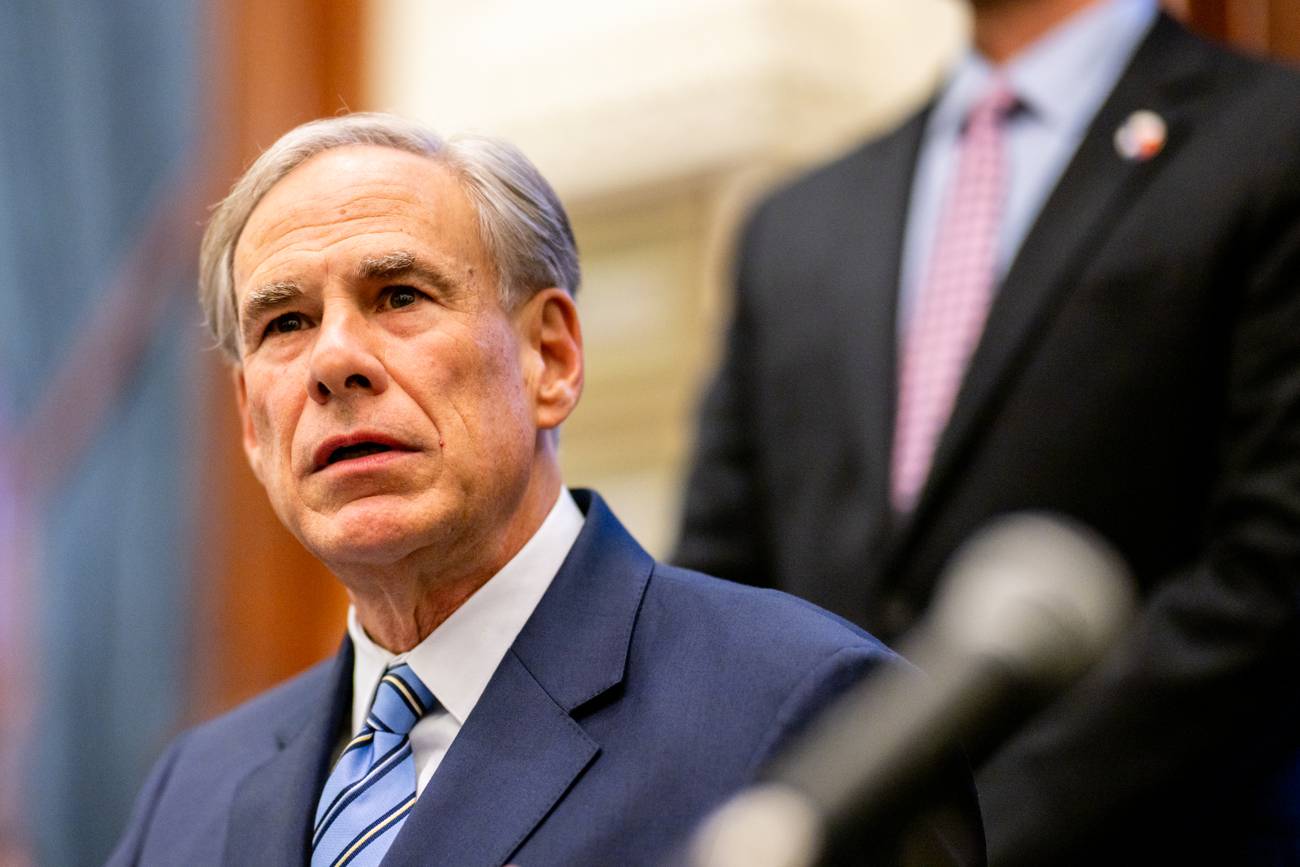
Texas is enhancing its cybersecurity measures by expanding the list of technologies prohibited for use on government devices, a move intended to thwart foreign actors from accessing sensitive state data or leveraging government systems. Governor Greg Abbott announced these new restrictions on Monday, focusing on hardware, software, and artificial intelligence tools associated with the People’s Republic of China and the Chinese Communist Party.
The updated restrictions encompass a variety of companies involved in artificial intelligence, surveillance technology, networking equipment, consumer electronics, and e-commerce platforms. Notable names on the blacklist include Alibaba, Moonshot AI, Xiaomi, and TCL. Cybersecurity experts have pointed out the risks posed by products from these Chinese firms, citing legal obligations under Chinese law that require them to share user data with their government, raising significant concerns regarding espionage and data misuse.
This announcement follows Texas’s establishment of a “hostile foreign adversaries unit” in September, designed to counter the increasing influence of the Chinese Communist Party within the United States. Abbott emphasized the necessity of safeguarding the state’s digital infrastructure, stating, “Rogue actors across the globe who wish harm on Texans should not be allowed to infiltrate our state’s network and devices.” He described how hostile adversaries utilize AI and other technologies to harvest user data, ultimately endangering citizens.
The revisions to the technology restrictions were made in consultation with the Texas Cyber Command, a newly formed cybersecurity agency based at the University of Texas at San Antonio. In a letter issued last week, Abbott designated this center as the lead agency charged with identifying additional technologies that may pose threats to Texas information systems.
Texas’s actions are in line with a broader trend among several states in the U.S. Florida, Nebraska, and South Dakota have similarly restricted the use of certain foreign-made applications and devices on their networks, while Indiana and Tennessee have set guidelines to limit the procurement of technology linked to foreign adversaries. These state-level initiatives often reflect federal bans that aim to protect national security.
As states like Texas tighten their cybersecurity protocols, it raises questions about the future landscape of technology use within government systems and the potential for further restrictions. The ongoing tensions between the U.S. and China over issues of data privacy and national security will likely continue to shape policies at both federal and state levels, prompting a reevaluation of how technology companies and government agencies interact in an increasingly interconnected world.
See also Republican Lawmakers Propose AI Tool for Annual Review of Federal Regulations
 Australians Demand Airline-Level AI Safety Amidst 4,000x Risk Gap, Survey Reveals
 OpenAI Reveals Effective AI Prompting Strategies for Litigation Success
 Anthropic CEO Dario Amodei Warns of Significant AI Risks and Calls for Regulation
 Compliance Function’s Growing Importance: Key Insights from Day 27 of 31-Day Program