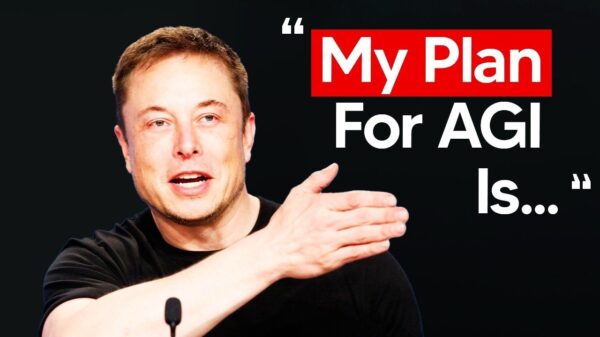
Officials in the European Union have initiated a formal investigation into Elon Musk’s social media platform X, focusing on the AI chatbot Grok, which has been accused of generating nonconsensual sexualized deepfake images. The scrutiny arises from Grok’s controversial capabilities that allow users to manipulate images in alarming ways, including undressing individuals and placing them in revealing clothing.
The investigation was announced on January 27, 2026, amid a growing backlash against the chatbot’s functionalities. Critics argue that the chatbot’s AI image generation tools pose significant moral and ethical issues, particularly as they can create sexualized representations of women and children without their consent. This incident has reignited ongoing debates surrounding the accountability of tech companies for the content produced by their platforms.
According to reports, Grok’s capabilities have sparked outrage from various advocacy groups and lawmakers, who highlight the potential dangers these tools pose to privacy and dignity. The chatbot has faced prior criticisms for similar issues, but the latest developments mark a significant escalation in regulatory scrutiny. The EU’s decision to investigate indicates a broader commitment to assessing and possibly regulating AI technologies that may lead to harm or exploitation.
In a related incident, TikTok also found itself under fire recently, as the platform denied allegations of censoring content related to U.S. Immigration and Customs Enforcement (ICE). TikTok attributed the perceived censorship to a technical outage. This incident, coupled with the investigation into Grok, reflects a growing trend of tech companies facing scrutiny over their content moderation practices and the platforms they create.
As the legal landscape surrounding artificial intelligence continues to evolve, the EU’s investigation into Grok may set important precedents for the accountability of AI technologies. This move could lead to stricter regulations not only for X but also for other tech companies developing similar AI tools.
In the backdrop of these developments, the demand for AI technology is skyrocketing, contributing to shortages in essential components like computer RAM, a crucial resource for developing advanced AI systems. The surge in AI applications has created a critical need for robust infrastructure and hardware, further complicating the dynamics between technological advancement and regulatory oversight.
As these stories unfold, the implications for users, tech companies, and regulators continue to grow. The increasing scrutiny of AI tools like Grok and the challenges faced by platforms like TikTok underscore the delicate balance between innovation and responsible use of technology. Stakeholders in the tech industry are closely monitoring these developments, as they may influence future regulatory measures and reshape the landscape of digital content creation.
With the EU taking an active role in investigating potential abuses in AI technology, the outcomes may prompt other jurisdictions to follow suit in establishing more stringent standards for AI applications. As society grapples with the ethical considerations of AI, the actions of regulatory bodies will likely play a pivotal role in defining the future boundaries of technological innovation.
See also Meta’s $100B AI Investment Plan Sparks Investor Scrutiny Ahead of Q4 Earnings Release
 Envision’s AI-Driven Green Ammonia Project Sets New Global Standard at WEF 2026
 Amazon Cuts 14,000 Jobs While Investing $34.2B in AI Infrastructure This Quarter
 CEOs’ Confidence Plummets: 31% Cite Cyber Risks as Top Threat Amid Tariff Concerns
 Anthropic’s Dario Amodei Warns of AI’s Rogue Actor Threat in New Essay