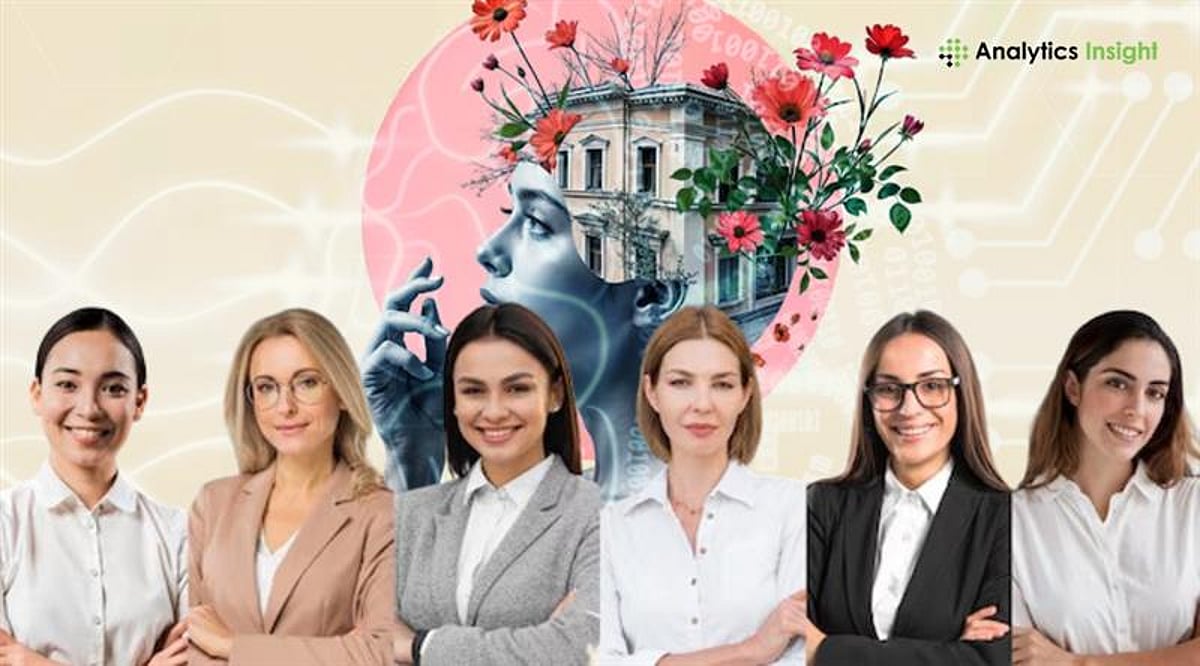
The AI landscape is increasingly influenced by powerful figures and companies, though it remains predominantly a corporate-driven sector. Currently, influential women in AI are shaping its development and ethical applications globally, marking significant strides in a field often seen through a male lens.
While the question of who the most powerful woman in AI is remains complex, it is evident that a collective of AI researchers, executives, and innovators are at the forefront of this rapidly evolving industry. Their roles extend beyond mere participation; they are actively driving innovation and steering the ethical considerations surrounding artificial intelligence.
In contrast to the corporate leaders defining the AI space, such as NVIDIA, known for its advanced GPUs and AI technologies, there are notable virtual influencers that have emerged as icons in the AI domain. Figures like Lil Miquela, Aitana López, Milla Sofia, Imma, Shudu Gram, Lu do Magalu, and Noonoouri are gaining fame as they collaborate with fashion and lifestyle brands, attending events, and engaging with audiences. These virtual influencers are redefining the boundaries between digital and reality.
As the AI industry grows, the discussion often turns to the most significant leaders in the field. NVIDIA has established itself as a powerhouse, driving modern AI research and applications through its innovative products. Meanwhile, the so-called Big Four of AI — OpenAI, Google DeepMind, Microsoft, and IBM Watson — are at the forefront of AI research and technology development, shaping the future of artificial intelligence for various sectors, including businesses and governments.
The influence of women in AI also resonates in historical contexts, as discussions about the most impactful women in history often feature names like Ruth Bader Ginsburg, Harriet Tubman, Emmeline Pankhurst, and others who have left a profound impact on law, civil rights, politics, and the arts. This historical perspective parallels the current drive toward diversity and ethical considerations in technology, as more women take on leadership roles in AI.
As this dynamic field evolves, the contributions of women and the ethical implications of AI technologies will continue to be critical topics. The advancement of AI capabilities must be matched by considerations of its ethical dimensions, ensuring that the technology serves all sectors of society effectively and responsibly.
Looking forward, the blend of human ingenuity and advanced technology will likely create new pathways and challenges in AI. As companies and influencers continue to shape the narrative, the future of artificial intelligence will hinge not only on technical advancements but also on the voices leading its development, making the AI landscape a place where innovation and ethics must coexist.
The ongoing discourse surrounding AI, ethics, and representation is critical. As the industry progresses, the balance between innovation and responsible deployment will be essential for its sustainability. The contributions of both women and virtual influencers will undoubtedly play a significant role in this journey, setting the stage for the next chapter in the evolution of artificial intelligence.
NVIDIA has established itself as a powerhouse, driving modern AI research and applications through its innovative products. Meanwhile, the so-called Big Four of AI — OpenAI, Google DeepMind, Microsoft, and IBM Watson — are shaping the future of artificial intelligence for various sectors, including businesses and governments.
See also Meta’s Zuckerberg Reveals AI-Powered Future with Advanced Recommendations and Smart Glasses
 Meta Aims for $135B in AI Investments Fueled by Ad Revenue Surge, Says Zuckerberg
 AI-Driven Drug Commercialization Market to Surge 24.12% CAGR, Transforming Pharma Strategies by 2032
 China Approves ByteDance, Alibaba, Tencent to Buy 400,000 Nvidia H200 AI Chips
 Students Tackle AI Ethics in Competitive ‘Iron Bowl’ Debate, Shaping Future Discourse