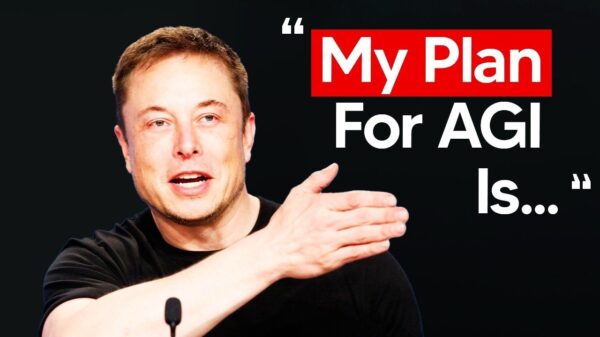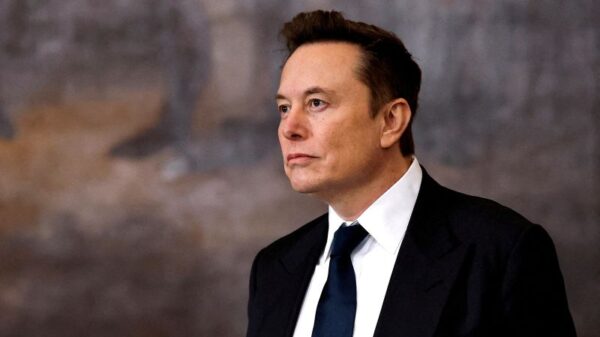
Elon Musk’s artificial intelligence company, xAI, is looking to hire experienced writers to train its AI chatbot, Grok, offering compensation that ranges from $40 to $125 per hour. The job posting surfaced on social media this week, detailing a desire for writers across multiple disciplines, including medical and legal writing, journalism, and fiction.
The goal of these new hires is to “evaluate, refine, and create elite-level writing in a variety of genres and formats to advance Grok’s capabilities.” Grok has faced significant scrutiny in recent months due to its controversial outputs, which have included white supremacist conspiracy theories and deepfake porn involving non-consensual imagery. Such incidents have prompted bans in several countries, including Indonesia and the Philippines.
The stringent requirements for potential hires reflect the company’s ambition to enhance Grok’s programming. For example, fiction writers must meet at least two of five rigorous criteria, including having published novels with major publishing houses, achieving significant sales, or receiving awards such as the Hugo or Nebula. This level of qualification is unusual and highlights the rarity of such accomplishments in the literary world.
The demands for screenwriters are similarly high, requiring credits on at least two produced feature films or ten television episodes aired on major networks. Additionally, applicants must have recognition from prestigious awards like the Academy Awards or Emmy Awards. This emphasis on elite credentials raises questions about the motivations behind the recruitment effort, particularly given the relatively modest pay being offered.
As the AI landscape evolves, the implications of employing top-tier writers to develop a tool that could potentially disrupt their own professions have sparked debate. Critics argue that asking highly accomplished individuals to train an AI system, which some view as a threat to creative jobs, is at best ironic and at worst exploitative.
While xAI’s initiative aims to bolster Grok’s capabilities, it also underscores the broader tensions between human creativity and artificial intelligence. By seeking out the most talented writers, the company appears to acknowledge the complexity and nuance that can often elude AI, even at its most advanced. However, the ethical implications of using these individuals to train an AI designed to replicate their work remains a contentious issue.
The situation raises significant questions about the future relationship between human creators and artificial intelligence. As companies like xAI continue to develop AI tools, the potential for job displacement in creative fields will likely intensify, challenging writers, screenwriters, and other artists to adapt and redefine their roles in an increasingly automated landscape. In navigating this evolving environment, the balance between leveraging human talent and the capabilities of AI will be critical to shaping the future of creative industries.
See also Chilean Community Launches Human-Powered Chatbot to Combat AI’s Environmental Impact
 AI Adoption, Ethics, and Governance Drive Transformative Dialogue at Mastersoft’s Chennai Conclave
 OpenAI Confirms $200K Minimum Ad Spend for Limited ChatGPT Beta Testing
 Laos Launches Groundbreaking AI Ethics Readiness Report to Shape National Tech Policy
 OpenAI and Anthropic Drive Cloud Giants’ Revenue Surge, 3 Stocks to Buy by 2026