
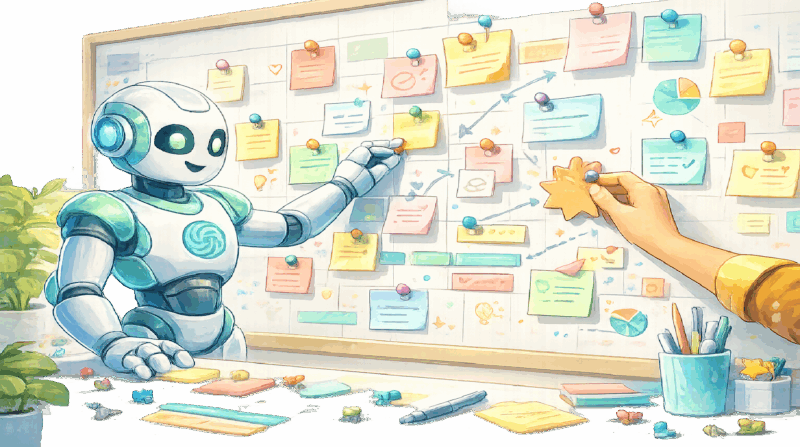
As marketers increasingly turn to artificial intelligence for content creation, the challenge of differentiation has become more pronounced. A recent survey by CoSchedule found that 85% of marketers utilize AI tools for tasks such as building content calendars, underscoring the technology’s growing role in strategic planning. However, as more professionals adopt these tools, the need to humanize AI-generated plans becomes critical in order to maintain a unique brand voice and narrative.
Many teams are now relying on AI to streamline the development of their content calendars, seeking to enhance efficiency and broaden coverage. While the rapid generation of content plans can offer significant advantages, reliance on AI also poses risks, including a lack of originality and potential misinformation. Effective deployment of AI can help teams identify content gaps and synthesize data from multiple sources, but it may also lead to robotic outputs that fail to resonate with audiences.
To navigate these challenges, marketers are encouraged to infuse human judgment into their AI-generated content plans. This involves several key practices that enhance the effectiveness of a content calendar. First, it is crucial to align each title and its corresponding keywords with defined audience personas. By doing so, marketers can ensure that content meets reader intent. For example, targeting “vacation home insurance” may be more appropriate than the broader “renters’ insurance” when planning content about vacation properties.
Conducting basic SEO checks further bolsters the relevance of a content calendar. Marketers should utilize SEO tools to cross-reference titles and keywords, ensuring that they are not inadvertently competing against their own existing content. This step helps validate the chosen topics against market demand and search volume, reducing the likelihood of wasted resources on poorly aligned articles.
Aligning the content calendar with key company events is another essential consideration. Marketers should map important trade shows, conferences, and seasonal observances to create relevant content that resonates with targeted audiences. For instance, a company with a focus on donuts might capitalize on National Donut Day rather than back-to-school marketing. This strategic alignment not only enhances audience engagement but also reinforces the company’s brand narrative.
The tone and style of the content should also reflect the brand’s voice early in the planning process. A bland, generic headline can undermine the potential impact of a piece. Instead, marketers should strive for a blend of informativeness and personality, setting the stage for engaging content that stands out amidst a sea of AI-generated material. For inspiration, marketers can look to brands that successfully convey their identity through unique messaging, striking a balance between credibility and creativity.
Finally, allowing space for thought leadership content aligned with the brand can further humanize the content calendar. This may involve regular contributions from company leaders or opinion pieces that express the organization’s values and beliefs. Such content serves to remind audiences of the company’s purpose and strengthens its position within its industry.
As AI-assisted content planning continues to rise in popularity, it is vital for marketers to maintain control of their strategies. By actively refining and personalizing AI-generated plans, brands can cultivate a distinct identity that not only connects with audiences but also supports long-term growth. Ultimately, the objective is to leverage technology as a tool for enhancement rather than allowing it to dictate the narrative.
See also Campaign Monitor Launches AI Tools to Boost Email Marketing Performance for SMBs
 Moltbook Launches AI-Only Social Network, Revealing Disturbing AI Consensus on Humanity
 IAB Projects 9.5% US Ad Growth in 2026 Amid Shift to Agentic AI Campaigns
 AI Transforms Marketing: Embrace Strategic Integration for Competitive Edge