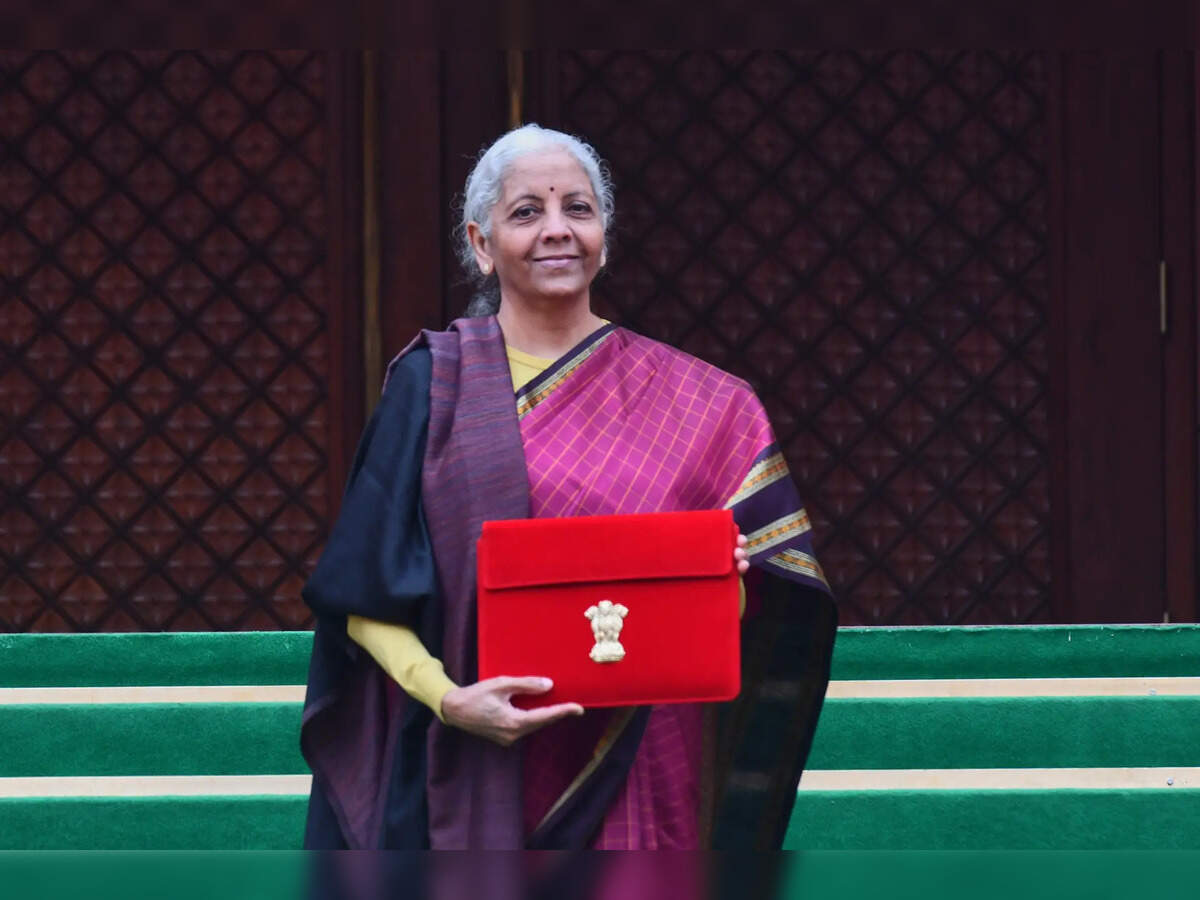
The recent Union Budget has elicited a positive response from the technology sector, with the apex industry body Nasscom highlighting the rationalisation of international taxation and transfer pricing frameworks as a significant boon. Announced on Sunday, the measures are seen as pivotal for enhancing the competitiveness of the sector, particularly in bolstering India’s position as a global technology and services hub under the Viksit Bharat initiative.
The restructuring of software development services, IT-enabled services, knowledge process outsourcing (KPO), and contract research and development (R&D) into a unified category of IT services comes with a uniform safe harbour margin of 15.5 percent. This is coupled with an increase in the Safe Harbour eligibility threshold to Rs 2,000 crore, up from Rs 300 crore, significantly broadening access to certainty mechanisms for routine cross-border IT service models.
Nasscom’s statement emphasised the forward-looking and consultative nature of the Budget, reflecting a sustained commitment to improving the ease of doing business in India. “A major positive for the technology industry is the rationalisation of the international taxation and transfer pricing framework, and the clear use of tax policy as a competitiveness lever,” it noted.
A particularly noteworthy proposal is the shift towards automating the Safe Harbour approval process. The new rule-driven approach, which eliminates the need for tax officers’ examination, alongside the option for a continuous five-year application of the same Safe Harbour, represents a significant move away from cumbersome compliance processes. This change aims to foster clarity, predictability, and trust in governance.
The association elaborated that this could notably alleviate recurring transfer pricing issues for Global Capability Centers (GCCs) and other Indian IT and IT-enabled services (ITES) providers engaged in eligible related-party arrangements. The strengthening of the Advance Pricing Agreement (APA) framework is also seen as an important enhancement. The Budget proposes to expedite unilateral APAs for IT services, with a goal of concluding these agreements within two years and providing a limited extension window to address long-standing concerns around timelines and certainty.
Furthermore, the extension of the modified return facility to associated entities experiencing income changes due to an APA is considered particularly relevant. This measure supports the smoother execution of group-level outcomes while reducing the risk of disputes. Along with the expanded and automated Safe Harbour framework, these changes create a clearer tiering of certainty mechanisms, allowing routine cases to transition to rule-based tracks while enabling APAs, including renewals, to focus on genuinely complex issues.
From an industry perspective, these initiatives are viewed as practical steps toward minimizing friction, enhancing resource allocation within the tax system, and solidifying the credibility of India’s tax certainty framework on a large scale. Nasscom also noted the Budget’s emphasis on strengthening India’s cloud and digital infrastructure ecosystem.
The proposal to offer a tax holiday until 2047 for foreign companies providing cloud services using data centre services from India is seen as a strategic move to attract long-term global investment. This initiative aims to support the expansion of India’s compute capacity, reinforcing the nation’s intentions to establish itself as a leader in the digital landscape.
As the global technology landscape continues to evolve, these measures in the Union Budget could play a crucial role in positioning India competitively while fostering an environment conducive to innovation and sustainable growth. The comprehensive tax reforms and the focus on enhancing digital infrastructure are expected to resonate well with both domestic and international stakeholders, potentially leading to increased investment and collaboration in the coming years.
See also AFSLs Urged to Self-Regulate AI Use as ASIC Prepares for Governance Enforcement
 Singapore Unveils First Agentic AI Governance Framework; Armor Aids ASEAN Compliance Efforts
 X’s AI Chatbot Grok Faces Class-Action Lawsuit Over Non-Consensual Deepfakes
 Compliance Leaders Adopt Risk-Based Governance for Generative AI to Mitigate Compliance Risks