
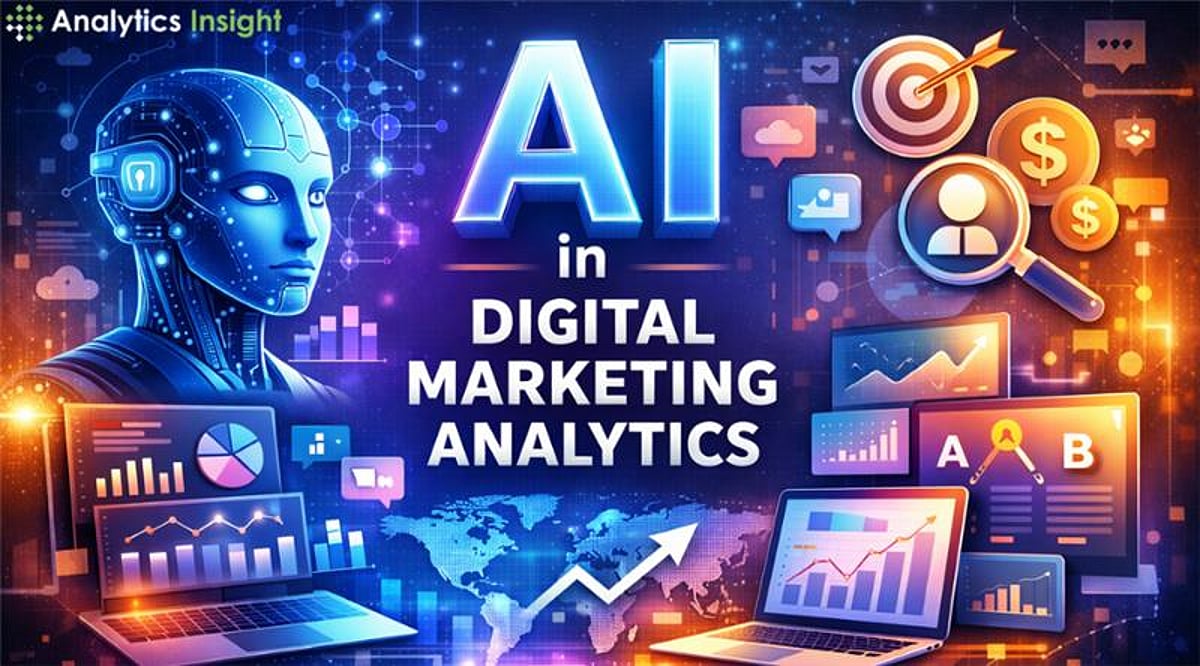
Artificial intelligence (AI) is increasingly shaping the landscape of digital marketing analytics, utilizing machine learning and data modeling to offer companies deeper insights into user behavior and campaign performance. This integration allows businesses to track user interactions more effectively, predict conversion rates, and optimize marketing strategies. By harnessing AI, marketers can glean actionable insights that enhance targeting, return on investment (ROI), and overall marketing efficacy.
AI’s role in improving campaign performance is particularly notable. Through the analysis of real-time data, AI systems can dynamically allocate budgets toward high-performing advertisements, refine audience segments, and personalize messaging. These capabilities not only help increase conversion rates but also minimize customer acquisition costs and reduce wasted ad spend. As a result, marketers can focus their efforts on strategies that yield the best results, driving efficiency in their campaigns.
Several AI tools have emerged as leaders in the field of marketing analytics. Notable among them is Google Analytics 4, which offers predictive insights that guide marketers in crafting effective strategies. Adobe Experience Cloud enhances the understanding of customer journeys, while Salesforce Einstein provides valuable CRM analytics. HubSpot AI is also gaining traction for its capabilities in integrated marketing performance tracking and automation. These tools exemplify how AI can streamline the marketing process and provide businesses with competitive advantages.
Customer segmentation is another area where AI proves beneficial. Traditional methods often rely on basic demographic data; however, AI can categorize users based on behavior, intent, engagement levels, and lifetime value. This advanced segmentation enables companies to design highly personalized campaigns that improve retention strategies and enhance the targeting of lookalike audiences across various platforms. As a result, marketers can engage their target demographics more effectively, fostering stronger customer relationships.
Despite the advancements in AI, concerns about the potential for these technologies to replace human marketers persist. While AI excels at data processing and identifying patterns, the human element remains indispensable in interpreting insights, building strategies, maintaining brand voice, and making ethical decisions. This collaborative approach ensures that human expertise continues to play a critical role in delivering successful, long-term marketing outcomes.
As AI technology continues to evolve, its integration into digital marketing analytics is expected to deepen. Companies will likely become increasingly reliant on these tools to refine their marketing strategies and enhance customer engagement. The ongoing adoption of AI in this sector highlights not just its capabilities but also the necessity for marketers to adapt and evolve alongside technology. The future of digital marketing analytics lies in the synergy between human intuition and AI-driven insights, paving the way for more effective and personalized marketing efforts.
See also WebFX Reveals 5 Key Ways AI Transforms Social Media Marketing for Businesses
 Sarvam Partners with SBI Life to Deploy AI for 8 Crore Customers and 3.5L Distributors
 iFOLIO Launches Advanced Personalization Engine to Combat AI Fatigue and Boost Conversions
 Brandi AI Launches GEO Framework to Enhance AI Visibility Across SEO and AEO
 Sarvam Integrates AI Tools into SBI Life’s Network, Impacting 8 Crore Customers