






















































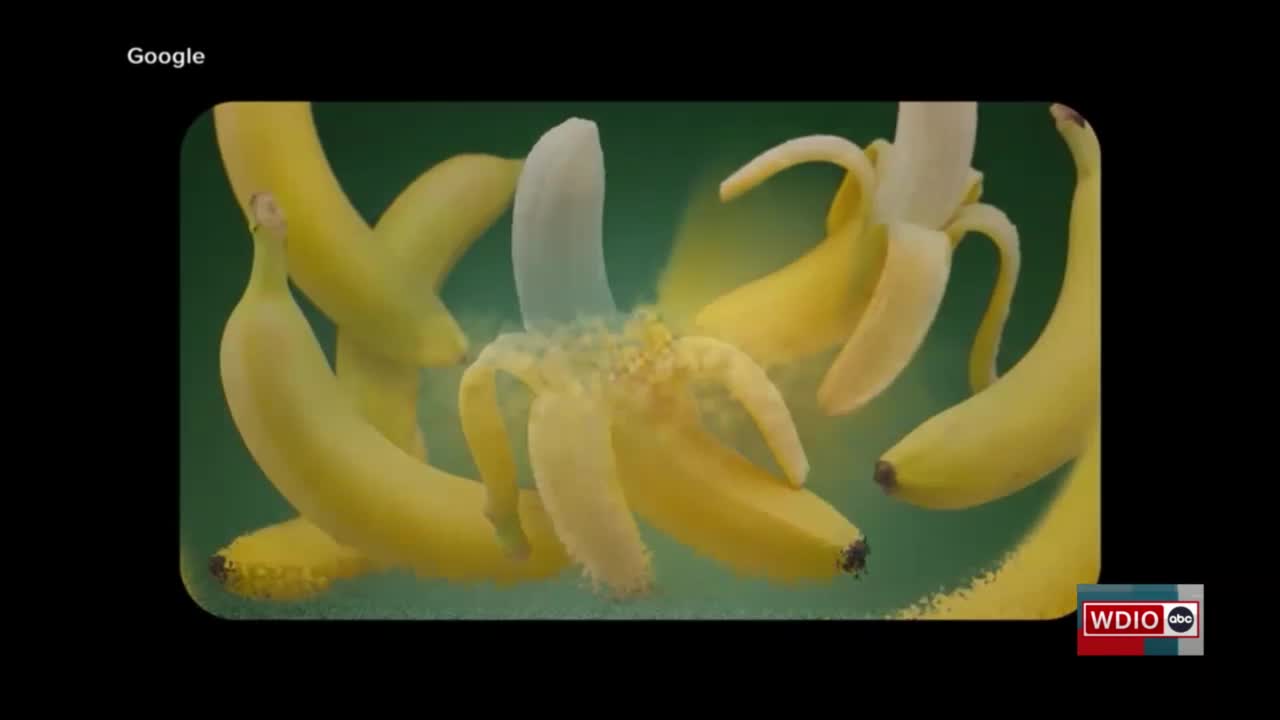
Google is limiting free access to its new AI image generator, the Nano Banana, in response to unprecedented demand. As of now, non-paying users are allowed to generate up to two images per day, though the company has indicated that these limits will be frequently adjusted in the future.
This move comes amid increasing interest in AI-generated content, highlighting the growing competition in the tech landscape. Google’s decision to restrict access underscores the challenges companies face when rolling out popular features to a massive audience. The Nano Banana generator has quickly gained traction among users, leading the tech giant to impose these limitations to manage server loads and enhance user experience for paid subscribers.
In a separate development, Google has introduced a new power-saving feature for its Maps application, currently available exclusively on Pixel 10 models. This feature aims to conserve battery life by displaying only essential routing details. According to the company, users can expect an extended battery life of up to four hours when utilizing this new option.
As smartphones become integral to daily navigation, battery efficiency has emerged as a critical factor for users. Google’s initiative reflects broader trends within the industry, where manufacturers are increasingly focused on optimizing performance while minimizing energy consumption. The rollout of this feature highlights Google’s commitment to enhancing user experience across its product offerings.
Meanwhile, in the automotive sector, Tesla CEO Elon Musk announced plans to nearly double the company’s robo-taxi fleet in Austin this month, increasing the count to about 60 vehicles. This expansion follows Musk’s previous assertion that the company aimed to have 500 robo-taxis operational by the end of the year. Experts now suggest that the current plan represents a shortfall of approximately 90 percent from Musk’s earlier goal.
The ambitious rollout of Tesla’s robo-taxi fleet reflects the automaker’s ongoing efforts to lead in autonomous vehicle technology. However, the significant gap between projected and actual deployment raises questions about the feasibility of such timelines in the rapidly evolving sector. As Tesla continues to experiment with its fleet, the implications for ride-sharing and urban transportation could be substantial.
Both Google and Tesla are navigating the complexities of scaling innovative technology amid high consumer expectations. While Google’s recent adjustments to the Nano Banana generator and Maps application aim to enhance user experience, Tesla’s challenges in expanding its robo-taxi fleet illustrate the hurdles that come with ambitious technological advancements.
As companies strive to meet the demands of an increasingly tech-savvy public, the balance between accessibility and sustainability will continue to be a focal point in their strategies. The outcomes of these initiatives could set important precedents for how technology firms operate in the years to come.
See also Study Reveals Generative AI’s Creative Limits: Capped at Average Human Level
 AI Study Reveals 62% Success in Bypassing Chatbot Safety with Poetry Techniques
 Imagiyo AI Image Generator Launches Lifetime Subscription for $34.97, 93% Off Until Dec. 14
 AI in Aviation: Key Leaders Stress Need for Verification to Prevent Human Oversights
 HSBC Partners with Mistral AI to Enhance Banking Operations with Generative AI Tools














