On November 13, 2025, Google rolled out a suite of autonomous shopping capabilities across its Search and Gemini platforms, designed to enhance the holiday shopping experience. This deployment includes features that enable artificial intelligence (AI) systems to facilitate purchases, engage with retailers, and streamline complex product inquiries during a peak shopping period. The announcement highlights three major functionalities: an agentic checkout for automatic purchases, Duplex-powered calls to verify local store inventory, and an upgraded conversational shopping experience through AI Mode.
Autonomous Purchasing through Price Tracking
The agentic checkout feature enhances Google’s existing price-tracking capabilities by automating the purchase process. Users can specify detailed product criteria, including size, color, and budget. When prices drop to the desired range, Google can complete the transaction using Google Pay on eligible merchant websites. As stated by Vidhya Srinivasan, Vice President and General Manager of Ads and Commerce at Google, “Tell us what item you want to track — down to the specific size, color and amount you want to spend — and you’ll get a notification when the price falls within your budget.”
However, the system requires explicit user confirmation before initiating any transaction, ensuring that buyers verify purchase details and shipping information. Currently, this feature operates through Google’s Shopping Graph, which now boasts over 50 billion product listings, with 2 billion updated hourly, but is limited to participating merchants such as Wayfair, Chewy, Quince, and select Shopify sellers.
Verification of Local Inventory via Duplex Technology
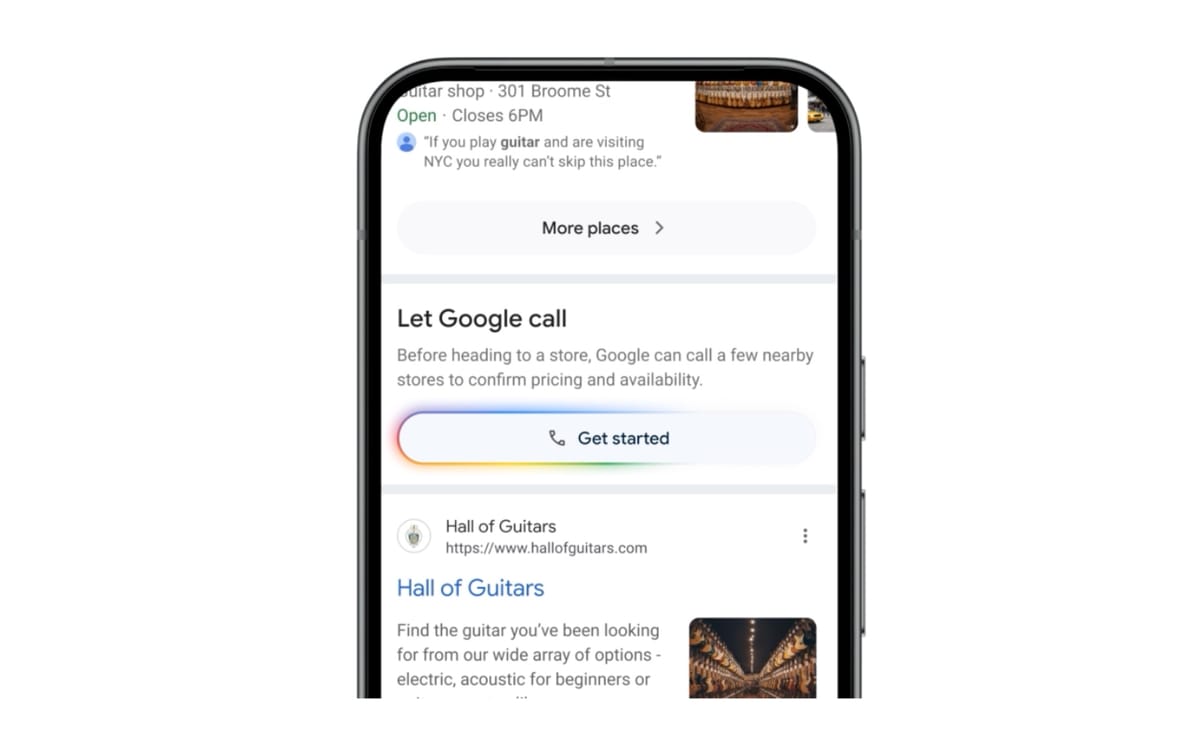
Google’s AI calling system, powered by Duplex technology, allows users to verify product availability at local retailers. This feature activates when users search for terms like “near me” within specific categories such as toys, health and beauty, and electronics. By selecting “Let Google Call,” users receive customized queries tailored to their product needs. The AI then contacts nearby stores to gather information on availability, pricing, and promotions, effectively reducing the burden of multiple calls for shoppers.
Improvements in the underlying Gemini model have enhanced the system’s ability to select optimal retailers and generate relevant questions based on product specifications. This aims to provide a seamless shopping experience while driving foot traffic to local businesses.
Conversational Shopping Enhancements
The introduction of conversational shopping through AI Mode in both Search and the Gemini app allows users to make product inquiries in natural language. For instance, a request for “cozy sweaters for happy hour in warm autumn colors” generates shoppable image results, whereas detailed comparison questions yield comprehensive tables of product information. This shift towards conversational queries is designed to offer a more intuitive shopping experience, moving away from traditional filter systems.
The integration of these capabilities across Google’s platforms represents a significant shift in how consumers interact with online shopping and digital marketing. As the company expands its Shopping Graph infrastructure, it aims to capitalize on the trend toward autonomous AI systems in retail.
Market Context and Implications for Digital Marketing
Google’s deployment of autonomous shopping features comes at a time when industry analysts are divided on the commercial viability of such systems. A report published on PPC Land in October 2025 outlined several structural challenges facing agentic commerce, including retailer reluctance to embrace AI intermediation and the high return rates characteristic of e-commerce.
The timing of this launch also coincides with a significant shift in consumer behavior, with 61% of shoppers indicating they are more cautious about spending due to economic concerns. As consumer journeys increasingly involve multiple touchpoints with platforms like Google and YouTube, marketers must adapt their strategies to account for these new shopping dynamics.
With the introduction of these autonomous features, digital marketers will need to reconsider their tactics, especially as agentic checkout may alter bid strategies and the Duplex calling system creates new opportunities for local businesses.
In summary, Google’s latest enhancements to its shopping capabilities signal a notable evolution in the landscape of digital commerce, particularly as the holiday season approaches. By automating key aspects of the shopping experience, the company aims to streamline consumer interactions while navigating the complexities of modern retail.
 Michael Burry Bets Against Nvidia and Palantir, Signals Possible AI Boom Correction
 Attendees at AI Conference Identify Perplexity and OpenAI as Startups to Bet Against
 Pathologist Dr. Matose Reveals Ethical Challenges of AI in Healthcare at AMP 2025
 Leaked Documents Reveal OpenAI Paid Microsoft $493.8M in 2024, Spending Surges to $8.65B
 AI-Created Song “Walk My Walk” Tops Billboard Country Chart, Sparking Industry Debate